
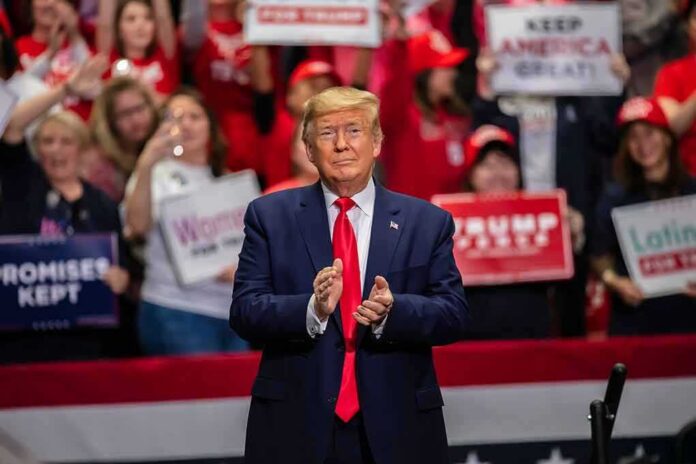
A wave of post-midterm soul-searching on the right has exposed real divisions over the movement’s next chapter, even as most grassroots voices still rally to President Trump.
Story Highlights
- Reports describe MAGA activists debating the movement’s future after 2026 losses.
- Potential 2028 hopefuls split over causes of defeat, signaling real fractures.
- Online supporter analysis shows most MAGA voices still back Trump.
- Some media on the right is still processing the setback and blame.
Grassroots Debate After Midterm Losses
Post-election reporting says some Republican voters and activists are rethinking tactics and leadership after the 2026 defeats. The Washington Post quoted a local chapter leader declaring the “MAGA movement” dead, while noting others looked beyond the current administration or sat out politics. These accounts describe disenchantment in pockets of the base, but they rely on interviews, not a single, verified national measure of defection. That means intensity is clear, but the size of any shift remains uncertain.
At the same time, conservative readers should separate emotion from data. The claims of mass abandonment are not backed by a disclosed poll with full methods. Politico’s write-up cited figures about declining Trump power, but the public record tied to that claim in the reporting thread does not include field dates, sample size, or weighting to confirm scale. The reporting shows frustration after a tough night, not a proven collapse of the base across the country.
No Clear Successor, Split Explanations
Coverage also says there is no consensus on who should lead in 2028. Skepticism toward Vice President J.D. Vance, once seen as the natural heir, adds to that uncertainty. Potential successors floated different reasons for the setback. Senator Vance pointed to the Iran war, Senator Marco Rubio defended the decision to strike, and Governor Ron DeSantis argued Republicans fought on the wrong fronts. Those splits show a coalition debating strategy, not abandoning core conservative goals.
Analysts told CNBC that Republicans face a real political test. Candidates who distance from Trump might look stronger in a general election but risk alienating millions who want secure borders, reliable energy, and sane spending. Donors testing alternatives also worry that anyone tied to administration fights could inherit political baggage. That is a classic right-of-center challenge: hold firm to America First policy wins while improving appeal in swing districts and suburbs.
What The Online Base Is Saying
Social-media monitoring suggests strong loyalty to President Trump still drives much of the conversation. A PeakMetrics analysis found that among posts taking a clear stand, seventy-eight percent voiced firm support for Trump, while about twenty-two percent expressed doubt or drift. That picture does not erase frustration, but it undercuts sweeping claims that the movement is collapsing. The energy online still leans toward backing the President’s agenda and leadership.
BREAKING: The Senate just voted 50-46 to strip Donald Trump of his power to impose tariffs.
Multiple Republicans joined Democrats to shut him down, second night in a row the GOP has turned on him.
Trump’s grip on his own party is cracking in real time. pic.twitter.com/brYqvMRccM
— Deep Signal (@DeepSignalQ) November 14, 2026
Reuters reported that over one-fifth of self-identified loyalists raised concerns about the movement’s direction. About half of that group questioned Trump as leader while staying in the MAGA camp; the other half stuck with Trump despite criticism. That means critics exist, but many still favor the policies that built the coalition: strong borders, safe streets, energy independence, parental rights, and a government that lives within its means.
Media Reaction And Movement Reality
Major conservative personalities and outlets are still digesting the loss. CNN reported that right-leaning media showed disbelief and internal debate in the days after the vote. That is normal after any shock result. But a media argument is not the same as a grassroots realignment. The real test will come in primaries and fundraising, where candidates must show they can defend the Constitution, protect the Second Amendment, and secure the border without handing power back to the left’s open-border and big-spending agenda.
Academic and election research before 2026 found that Trump-aligned figures often thrived in Republican primaries even when the general-election map was harder. That pattern warns would-be heirs: win the base with real policy results, not consultant buzzwords. Voters want lower prices, fair trade, cheap energy, and safe communities. Leaders who deliver on those themes can unite conservatives faster than any branding exercise or blame game after a bad cycle.
What Conservatives Should Watch Next
Watch three scoreboards. First, donor filings will show whether big checks move away from Trump-aligned committees to new faces. Second, primary results will reveal if challengers can beat proven America First candidates. Third, county-level turnout patterns will tell us where the coalition held and where it sagged. Until those numbers are in, broad claims about a dying movement belong in the opinion bin, not the evidence file.
For readers tired of open borders, politicized schools, and runaway spending, stay focused on results. Demand straight answers on securing the border, finishing energy projects, and cutting waste. Insist on accountability without feeding the left’s narrative. Debate is healthy. Division helps only the other side. The mission is the same as ever: protect our freedoms, defend families, and keep America strong at home and abroad.
Sources:
washingtonpost.com, politicalwire.com, cnbc.com, nationalsecurityjournal.org, biz.heraldcorp.com