
Putin’s reported green light for European seats at Ukraine talks opens the door to a deal—or a diplomatic trap—just as Kyiv alleges fresh Starshield slowdowns on the front.
Story Highlights
- A U.S. envoy said Putin agreed to European participation in the next round of talks.
- Reports say European officials from national governments, the European Union, and NATO were already lined up for Abu Dhabi meetings.
- Kremlin voices sent mixed signals about Europe’s role, keeping the format in doubt.
- Ukraine said new Starshield speed caps hindered intercepting Russian drones across the front.
What Changed: Europe Invited, Role Unclear
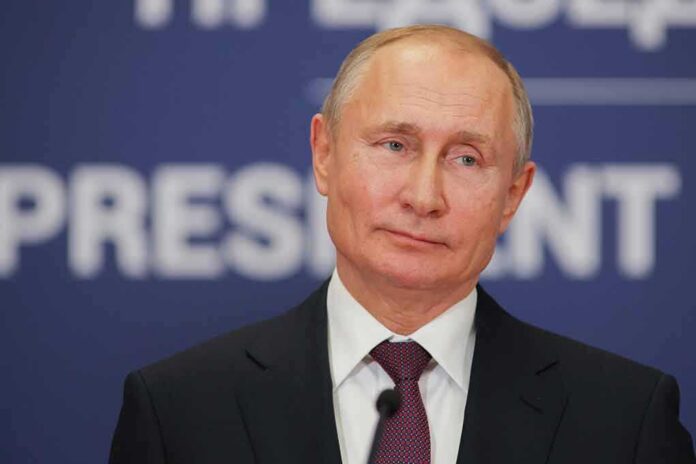
A United States envoy said Vladimir Putin agreed to allow European representatives to join the next round of Ukraine peace talks. That report signaled a possible shift from a narrow Russia–Ukraine–United States setup to a broader table that includes Europe’s security players. European officials had already been linked to Abu Dhabi talks, with expectations of attendance from the European Union, NATO, and major national governments. Still, no final list, mandates, or voting roles were confirmed in public reports.
Reports described a practical reason to bring Europe in now. Any deal will touch borders, sanctions, energy routes, air defense, and long-term security. Europe funds much of Ukraine’s support and will help enforce or finance any settlement. Putin was quoted urging Washington to work with its allies to clarify whether they want peace or war in Ukraine. That framing puts pressure on European capitals to show unity, not mixed messages, at the table.
Mixed Kremlin Signals Keep Allies Wary
Russian messaging has not been consistent. Kremlin spokesperson Dmitry Peskov called the process trilateral, naming Russia, Ukraine, and the United States. A senior Putin adviser also appeared to downplay European roles. That cuts against the envoy’s claim that Europe will join, leaving confusion over who can speak, propose terms, or block outcomes. The split lets critics dismiss the move as tactic, not substance, until procedures are written down.
European leaders face their own gaps. Reports said officials planned to attend from national governments, the European Union, and NATO, but their exact mandates were unclear. Who speaks for Europe matters. If roles are fuzzy, Moscow can play capitals against Brussels, and process can stall. Clear authority is vital if talks address security guarantees, sanctions relief, or peacekeeping rules that Europe would carry out and fund in the years ahead.
Battlefield Pressure: Starshield Slowdowns Reported
While diplomacy shifted, Ukraine reported new disruptions to Starshield service. President Volodymyr Zelenskyy said systemic speed limits returned across the entire front and in occupied areas. He said the caps complicated efforts to intercept fast, jet-powered Russian drones. Some strikes reportedly got through defenses because units could not reach needed speeds in time. An adviser said the slowdown hit links to helicopters and jet interceptors that target Shahed-type drones.
BREAKING: Europe has been promised a seat at the Ukraine peace talks.
The promise was made last night at a military airfield in west Dublin. Now Europe has to decide who actually sits in the chair. pic.twitter.com/WMF53hvufN
— DailDex (@DailDex) November 13, 2026
The renewed throttle claims add stress to the talks. Kyiv links the restrictions to real combat risk and damage, while negotiators weigh security terms. The timing raises hard questions for Europe and the United States about ensuring stable, reliable systems if any ceasefire or buffer is policed by air and ground sensors. The claims are Zelenskyy’s and allied outlets’ reporting; they show frustration but do not by themselves prove intent behind the outages.
What This Means for U.S. Conservatives
President Trump’s envoys now face a test: widen the talks to include core allies, but keep control of goals and timelines. America needs clear commitments from Europe on security burden-sharing, border defense, and reconstruction, not vague statements. European seats at the table make sense only if roles are defined, accountability is real, and costs are not shifted onto U.S. taxpayers again. Written mandates and a public procedural note would cut the Kremlin fog and help align the coalition.
For readers worried about global deals that sideline our interests, the path is simple. Demand transparency on who represents Europe, what they can agree to, and how any terms protect U.S. security and energy independence. Tie every promise to measurable steps and timelines. Press for battlefield stability that does not depend on throttled tech links. A peace that upholds sovereignty, deters aggression, and does not raid American wallets is the only acceptable outcome.
What to Watch Next
Watch for an official invite list, role definitions, and an agenda covering borders, security guarantees, and sanctions relief. Look for a public readout from U.S. envoys and a matching procedural note from Moscow. Track whether Starshield disruptions ease, persist, or are fixed with technical steps. If Europe arrives with one voice and a mandate, talks can move. If messages stay split, expect more theater than terms on paper.
Sources:
militarytimes.com, en.interfax.com.ua, newsukraine.rbc.ua, charlotteobserver.com