
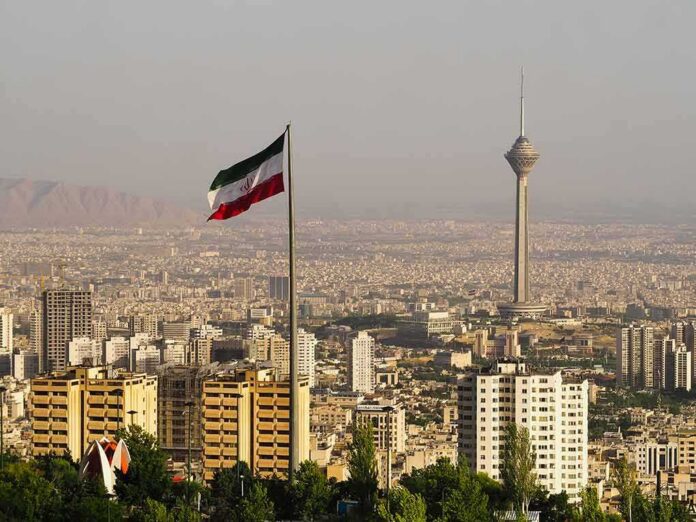
Tehran is still demanding big concessions, but President Trump’s team is holding the line until Iran makes verifiable nuclear commitments.
Story Snapshot
- The White House keeps maximum pressure while leaving room for a deal that serves U.S. interests.
- Vice President J.D. Vance says any deal needs a clear, verifiable halt to Iran’s nuclear rebuild.
- Talks continue through mediators, but no breakthrough has been reached yet.
- Iran pushed sweeping preconditions, showing U.S. pressure still matters to Tehran.
Pressure With a Purpose: The Stated U.S. Strategy
The White House set a firm approach on July 28, 2026. It keeps military and economic pressure while keeping the door open to a deal that serves American interests. Vice President J.D. Vance later said talks have a path forward only if Iran makes a verifiable promise not to rebuild its nuclear program. He also said the administration has not set deadlines, which preserves leverage and options. That mix signals strength without giving Iran time games to exploit.
Reuters reported that contacts with Iran are ongoing through mediators despite no breakthrough. This shows pressure and engagement can run in parallel without caving on core demands. The approach avoids the trap of quick, weak deals that reward bad behavior. It also makes clear that relief comes only after Iran proves compliance. That sequence aligns with common sense: first the regime shows real changes, then limited benefits can follow.
Tehran’s Demands Reveal Leverage—and the Sticking Point
Iran’s own asks show U.S. leverage still bites. Reuters reported Tehran wanted sanctions relief, release of frozen assets, and an end to naval restrictions before even starting detailed nuclear talks. Those sweeping preconditions admit pressure hurts. But they also show the gap. Washington wants nuclear issues on the table now, with verification up front. Iran wants relief first and substance later. That conflict over sequence explains why there is no public breakthrough yet.
The two sides remain far apart on key terms, according to Reuters, and Iran rejected what it called excessive U.S. demands. The administration’s core ask is clear—a verifiable halt to nuclear rebuild—but the public record does not show final inspection terms or stockpile rules. That is a limit of open sources, not proof of failure. It means Americans should expect careful, patient talks, not headlines that promise instant closure. Verification details take time and must be enforceable.
No Rush, No Blank Checks: Why Patience Protects U.S. Interests
Vance said there are no fixed deadlines, which keeps the United States from negotiating against the clock. That choice denies Iran a path to stall, run out time, and pocket relief. It also gives room to adjust pressure if Tehran tests limits. Reuters said dialogue continues through Qatar even without a final deal, which preserves channels while holding the line. This balance reduces the chance of a bad agreement that Tehran could exploit on day one.
The White House has also framed maritime control and military posture as leverage, but open reports differ on operational outcomes. Americans should track claims carefully and focus on what can be verified. The key measure is whether Iran accepts inspections and durable limits that we can check and enforce. If that happens, relief can be tailored and reversible. If not, pressure should stay. That is the only path that guards U.S. security and protects taxpayers from paying for empty promises.
Reading the Noise: Critics, Costs, and the Real Benchmark
Media and critics have cast doubt on progress, but even they agree there is no final breakthrough yet. CBS reported that public patience can drop when costs rise, like higher gas prices during conflict. That concern is real for families. Still, easing pressure too soon would invite new threats and bigger bills later. The responsible benchmark is simple: does Iran accept tough, clear inspections and limits that we can verify over time? If yes, targeted relief can follow. If no, pressure must continue.
Diplomacy through pressure is not theater; it is about outcomes we can check. The record shows the Trump administration set conditions, kept talks open, and refused Iran’s front-loaded relief plan. That is the right order. America should never trade away leverage for promises that cannot be proven. Hold the line. Demand verification first. Only then consider relief that can snap back if Iran cheats. That is how we defend our security and our wallets at the same time.
Sources:
pjmedia.com, whitehouse.gov, us.cnn.com, cjonline.com, rmb.reuters.com, reuters.com