

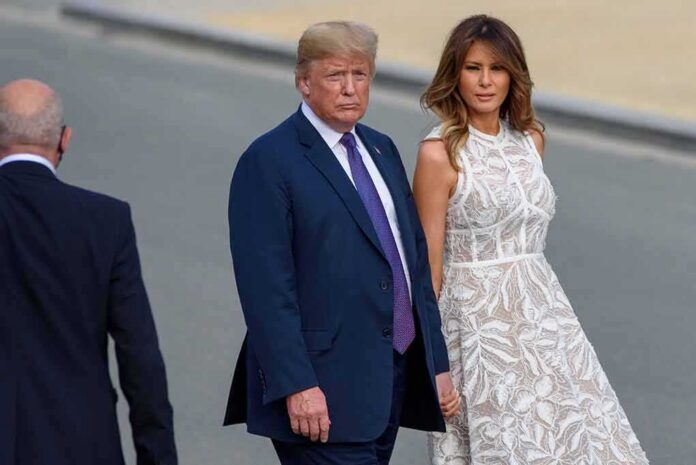
First Lady Melania Trump hosted Russian and Ukrainian representatives at the White House after brokering a six-day, local ceasefire in Oleshky to move aid and evacuate civilians.
Story Highlights
- Melania Trump initiated talks that led to a localized Oleshky ceasefire and a White House meeting.
- The pause aimed to stop fighting, open aid routes, and create a safe civilian corridor.
- The ceasefire ran about six days and supported evacuations and relief deliveries.
- The White House reported nearly 800 people evacuated during the window.
White House Meeting Brought Opponents to the Same Table
The White House said First Lady Melania Trump convened Russian and Ukrainian representatives in Washington to build on a local ceasefire in Oleshky, a city in the Kherson region of Ukraine. CNN reported that Ukraine’s human rights ombudsman Dmytro Lubinets and Russia’s human rights commissioner Yana Lantratova planned to attend, confirming both sides’ participation. The event marked a rare moment: officials from two warring nations met at the People’s House to discuss relief for civilians caught in the crossfire.
According to the administration, the First Lady began outreach that led to the Oleshky pause and then invited both delegations to continue talks at the White House. The White House framed the effort as a humanitarian push, not a grand peace deal. The meeting focused on immediate needs: keeping aid flowing, safeguarding evacuees, and reducing risk to families near the front. This was a narrow step, but it moved the needle toward saving lives while fighting still raged elsewhere.
Ceasefire Terms Focused on Aid and Civilian Safety
The White House outlined clear terms: both sides would temporarily halt military action in Oleshky, allow humanitarian organizations to operate, and maintain a designated corridor for civilians to leave safely. Canadian reporting described the window as running from October 27 through November 1, with the goal of evacuation and aid delivery. The Hill detailed a 3 a.m. local start on October 27 and said the pause expanded to help convoys reach those in need. These specifics anchored the plan in real, time-bound tasks.
Administration materials said the operation enabled the safe evacuation of nearly 800 people and helped move food and medicine into hard-hit areas. Local coverage echoed those results, describing scarce supplies and pressure on hospitals before the pause. This kind of focused ceasefire is common in modern war zones: it narrows the mission to aid and evacuation rather than broad political demands, which helps both sides agree on limited, life-saving steps without conceding larger goals.
How a Local Pause Fits a Larger Strategy
Researchers and past cases show that short, local ceasefires can work when parties share a narrow aim, like moving aid trucks or clearing a safe route for families. They rarely end a war, but they cut harm to civilians and can open lines of contact for later talks. The Oleshky effort fits that pattern: it set a time, place, and task, and it used clear steps that a relief convoy could follow while commanders held fire along the route.
For Americans who care about order, borders, and the value of every human life, this approach aligns with common sense. Save lives now, argue over politics later. The White House said Melania Trump drove the outreach, then used the spotlight to bring both sides into the open at the White House, where accountability is higher and cameras record who shows up and who honors their word. That transparency helps keep pressure on both parties to follow through without endless bureaucratic delay.
Why This Matters for U.S. Leadership and Values
President Trump’s administration placed the First Lady’s effort within a larger message: American leadership can be firm and practical at the same time. Washington can back strong defense and still insist on basic protection for civilians. That stance echoes conservative priorities: secure peace through strength, demand results, and keep humanitarian action targeted, time-bound, and accountable to facts on the ground, not vague globalist talking points.
Some details about documents and behind-the-scenes roles were not publicly released, but the core facts stand: a defined local ceasefire, a set of humanitarian terms, named attendees from both sides, a schedule, and reported evacuations that helped families get out of danger. If future pauses follow the same model—clear goals, short timelines, and real aid on the move—Washington can keep saving lives while avoiding open-ended commitments and mission creep.
Sources:
youtube.com, whitehouse.gov, cbc.ca, themoscowtimes.com, thehill.com