

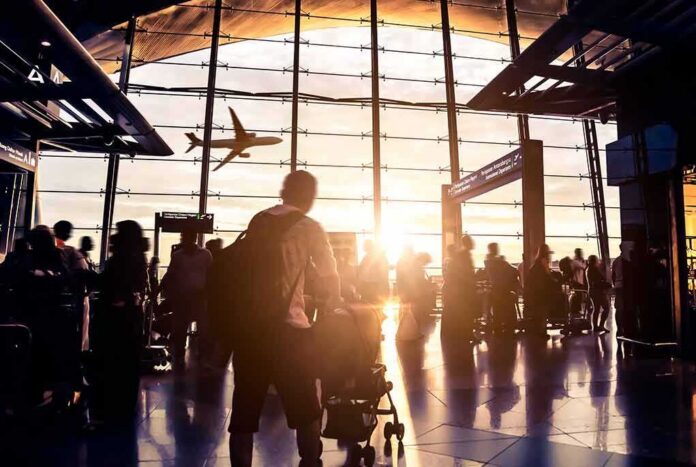
Multiple storm systems are set to pound key travel corridors on both coasts this Thanksgiving week, threatening delays from the Southeast to the Northeast and mountain snow out West.
Story Highlights
- Forecasters warn of heavy rain and gusty winds along the East Coast that could snarl air and road travel.
- Separate systems bring rain, wind, and mountain snow to the Pacific Northwest and parts of California.
- Major hubs including Atlanta, Seattle, San Francisco, Los Angeles, and Northeast airports face delay risk.
- No single nationwide “monster storm” is expected, but overlapping hazards could still disrupt millions of trips.
East Coast Rain And Wind Target Busy Airports And I‑95
Weather outlets reported that rain and gusty winds will march north along the East Coast through the core travel window. Forecasts flag possible flight delays at major Northeast airports and messy driving on the Interstate 95 corridor from Florida to New England. Reporting also points to coastal flooding concerns in parts of Florida and the Southeast as the system lifts north, raising the odds of traffic slowdowns and ground stops during peak hours.
Airlines often slow operations when crosswinds, low clouds, or long rain bands tighten spacing between flights. That effect compounds at major hubs that connect much of the country. Forecasts highlight Atlanta’s importance, since it feeds flights nationwide and even a modest weather slowdown there can ripple far beyond the Southeast. If New York, Philadelphia, or Boston also see wind and rain at the same time, the network impact can multiply quickly.
West Coast And Mountain Threats Add A Second Headache
Separate storms are expected to hit the Pacific Northwest and parts of California with rain, wind, and mountain snow. Those hazards threaten passes and interstates in the West and could force chain controls or slow truck traffic. Reports also call out potential delays at Seattle-Tacoma, San Francisco, Los Angeles, and San Diego if low ceilings and gusts line up with peak bank times. While each system may be routine, the timing during holiday crowds makes the impact bigger.
Snow in higher terrain can snarl return travel even after the first wave moves through. A brief lull can help, but fresh bursts of precipitation keep road crews and airlines in catch-up mode. Forecasts do not agree on one dominant coast-to-coast storm, but they do agree that several systems will fire in sequence. That pattern is enough to slow flights and jam highways, especially where grades are steep and shoulders are narrow.
What Travelers Should Expect—And What Is Still Uncertain
Most outlets say the disruptions come from overlapping hazards rather than a single blockbuster. The guidance points to heavy East Coast rain and wind, Southern thunderstorms, and Western mountain snow that can each cause targeted slowdowns. One forecast stresses that no single storm is likely to cause coast-to-coast gridlock on Thanksgiving Day itself. Still, even local issues can spark wide delays when airports run near capacity and roads are saturated with cars.
🦃 A THANKSGIVING STORM? 🌨️
We're keeping an eye on the potential for a storm to impact northern Utah around Thanksgiving! While it's still too early to nail down the exact timing, rainfall and snowfall amounts, forecast models are hinting at a possible system moving into the… pic.twitter.com/BO8vV7q9sG
— Chase Thomason (@ChaseThomason) November 21, 2026
Past holiday data shows that late flights and long backups are common even with fair skies, so weather is only part of the story. This week, the smart play is basic: leave early, build in a buffer, and watch airline and highway alerts closely. Families should keep essentials handy in case traffic stalls. Flyers should book longer layovers and monitor rebooking options. These steps protect your plans when storms, crowded terminals, and tight schedules collide.
Why This Matters For Families And Freedom To Move
Holiday travel is about family time and keeping promises. When government-regulated air traffic systems and overloaded hubs meet rough weather, small slowdowns become big headaches. Forecasts calling out Atlanta and the Northeast hubs show how one choke point can affect the whole map. Better planning and faster recovery matter because Americans deserve reliable travel, not rolling delays that waste time, money, and fuel during a season built on faith, family, and service.
Bottom Line For The Week
Expect rain and wind to slow parts of the East Coast, with the Interstate 95 corridor and major Northeast airports at risk. Plan for separate storms to hit the Pacific Northwest and some California routes, with mountain snow adding hazards for drivers. Do not count on one giant coast-to-coast system, but do plan for stacked, regional problems that can spread through the network. Build margin into every plan, and keep alerts on from your airline and local road agencies.
Sources:
zerohedge.com, theweather.com, edition.cnn.com, accuweather.com, newsweek.com, axios.com