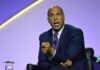


While facing federal scrutiny, Babylon’s Democratic supervisor moved to hike his own pay nearly 30% as homeowners were told to brace for a tax increase.
Story Highlights
- Town records set Rich Schaffer’s 2026 pay at $123,679 before a proposed jump to $160,000
- The raise appeared in a preliminary budget alongside a roughly 6% property-tax hike
- Dozens of residents blasted the move at public hearings and meetings
- After backlash, Schaffer scrapped the raise and said he would take a pay cut
Official Salary Baseline and What Changed
Town of Babylon records show the board set Supervisor Rich Schaffer’s 2026 salary at $123,679 by formal resolution. The rollout created a clear baseline for any pay change moving forward. The raise then surfaced inside the town’s preliminary budget, not just as a floating idea. Reports said the proposal would lift his pay to $160,000, an increase of about $36,000. Schaffer abstained on the pay-setting resolution, according to minutes, which fixed the baseline figure for 2026.
Local coverage described the compensation bump as part of a broader package for several elected officials. Those changes ranged from mid-single digits to more than 13% for others. But the sharp jump for the supervisor stood out. Residents saw that spike while also seeing a plan to raise property taxes by nearly 6%. The mix triggered a trust problem and a pocketbook problem at the same time, which are the two fastest ways to anger taxpayers on Long Island.
Public Backlash and Tax Hike Concerns
Residents lined up to say no. Newsday reported more than 30 attendees at a hearing speaking against the raises and the tax hike. People asked how leaders could press families for more while lifting their own pay. One resident warned the tax burden was pushing long-time neighbors out. Others said leaders had pierced the tax cap too often. This was not a small grumble; it was a focused message that the timing and the amount were off.
A tabloid framed it more bluntly: a Democratic party boss under federal and state investigation tried to give himself a 30% raise, and locals shut it down. That framing stuck because the facts behind it were simple. The preliminary budget carried the raise. The tax increase was real. The investigations were widely reported and unresolved. The combination sounded tone-deaf to people already stretched by high costs in housing, fuel, and food after years of mismanagement at many levels.
Investigations and the Optics Problem
The town record in hand does not supply a pay study, market comparison, or duties analysis to justify the $160,000 figure. Without that, the case leaned on trust, not proof. Reports also note references to investigations by the Federal Bureau of Investigation (FBI) and the New York Attorney General. Even without charges, those probes created a cloud that amplified the anger over money. When leaders set their own pay, process matters because optics become the message.
Academic work on municipal compensation warns about this exact trap. When officials control their own salaries, the system invites suspicion and politicized outcomes. Independent review panels and clear comparators are the fixes many experts recommend. Without them, voters assume the worst. That is especially true when the raise arrives with a tax hike and when the official also holds a partisan leadership post. People see conflict, even if the paperwork is proper.
Retreat, Pay Cut, and What Comes Next
After the uproar, Schaffer reversed course. He said he would not take the raise and that the town would strike the proposed increases for officials. Reports say he then opted to cut his own pay to roughly $120,000. That move calmed the room but did not answer the core question: why the number jumped so high in the first place, and why during a tax hike year. The retreat solved the immediate fire but left the process problem in place.
Babylon Town Supervisor Rich Schaffer says he will take a pay cut instead of a proposed 29% raise following backlash from residents.
Schaffer’s salary was set to increase from $123,680 to $160,000 under the proposed 2027 budget. He now says he will reduce his salary to $120,000.… pic.twitter.com/2cJisGTZwx
— Newsday (@Newsday) November 13, 2026
Conservatives can take two lessons here. First, sunlight and pushback work. Town halls still matter. When taxpayers show up, they can stop bad moves before they stick. Second, structure beats spin. If a town wants to change pay, it should use independent comparisons, public memos, and clear timing rules. Raises, if any, should start next term, not midstream. That keeps elected officials from voting on their own wallets and protects public trust.
The Accountability Test for Local Government
Babylon now faces a basic test. Leaders should release the full preliminary budget files, the salary schedules, and any emails or memos that explain the $160,000 target. They should publish comparisons with similar Long Island towns. They should detail how removing the raises and cutting the supervisor’s pay changes the tax bill. If they do that, they start to win back trust. If they do not, voters will assume the worst and remember in November.
Sources:
nypost.com, hoodline.com, townofbabylonny.gov, newsday.com