
A published aerial photo that could pinpoint a cabinet secretary’s home helped trigger a security uproar and a move onto a U.S. military base.
Story Highlights
- Treasury Secretary Scott Bessent says a Wall Street Journal image exposed his home’s location and calls it “reckless journalism.”
- Bessent and his family moved from their Washington-area residence to a U.S. military base under Secret Service guidance.
- Reports link rising threats from Iran to the decision to relocate, with concerns increasing after the image ran.
- The dispute spotlights a wider risk: photos can reveal exact addresses even without visible coordinates.
Bessent Relocates After Threats and Blasts Newspaper’s Judgment
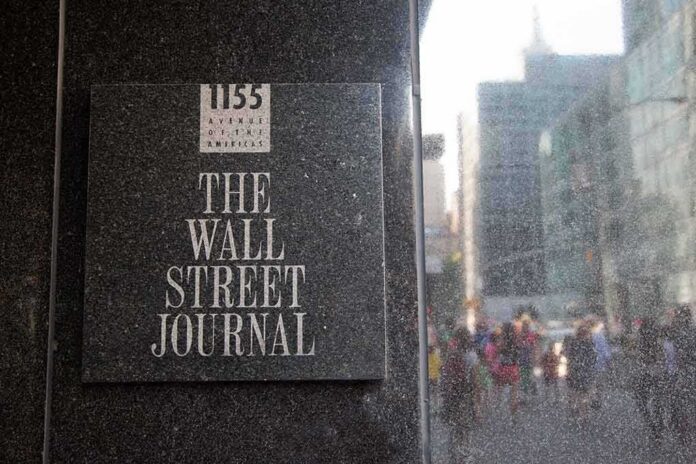
Scott Bessent, the United States Treasury Secretary, confirmed he left his Washington-area home and moved to a U.S. military base after serious threats. He said he followed instructions from the United States Secret Service and then publicly criticized Wall Street Journal editor Emma Tucker. He accused the paper of authorizing an image that allowed his home to be geolocated and labeled it “reckless journalism.” His remarks aired on November 15, 2026, and drew swift attention across outlets.
Published reporting describes the move as driven by threats tied to Iran, with anonymous sources stating concerns increased after the Journal published an aerial view of his Georgetown residence. Reuters reported that two people familiar with the matter said Bessent relocated to a military base after the threats, and that the image made the home identifiable. Other coverage echoed that the concerns rose after the photo appeared online.
How a Photo Can Endanger a Family’s Safety
Bessent’s charge centers on the simple fact that images can reveal where someone lives. Journalists and investigators often match roof lines, street layouts, and nearby landmarks to locate a photo’s spot. That means a picture does not need embedded coordinates to point to a front door. Training guides for reporters explain how visual clues alone can confirm an address, which is why publishing precise residential imagery can raise real safety risks for officials.
Reuters also reported the property as a $12.5 million Georgetown mansion purchased after Bessent’s January 2025 confirmation, making it easier for the public to link a specific high-value home to a top federal official. In a threat environment where foreign adversaries probe for soft targets, that kind of detail raises the stakes. When a cabinet member says a photo helped pinpoint his home, the concern is not theoretical—it is practical and immediate.
Threats From Iran and the Security Escalation
Timeline accounts from major outlets point to threats linked to Iran, followed by the publication of the image, then a rise in security concerns. A source cited by CBS and reported by the BBC said worries increased after the photo allowed the location of the home to be identified online. Officials then moved Bessent and his family to a military base. This sequence aligns with his statement that he acted on Secret Service guidance to protect his family.
One caution does apply: the available reports rely on unnamed sources and do not include a public security assessment or technical readout of the image’s data. Still, the core facts stand in public view—Bessent moved to a base for safety, he blames the photo decision, and respected outlets report that threats from Iran were in play. That is enough to explain why protective steps came fast and why judgment about publishing details matters.
Press Freedom, Public Interest, and Basic Common Sense
America values a free press. But publishing content that can point to a senior official’s front door is not accountable reporting—it is a roadmap for bad actors. States already shield many home addresses to reduce doxing and harassment, and courts continue to weigh lines between public interest and personal safety. In this case, the balance looks clear: covering a cabinet secretary is news, but revealing a precise residence crosses a commonsense line when families are under threat.
Conservatives know this pattern well. Activists target homes, post maps, and try to intimidate public servants. That is why personal security and family privacy must come first. President Trump’s team faces real-world threats from foreign enemies, and federal families should not pay the price for a newsroom’s poor call. This episode should push editors to rethink residential imagery and force a higher standard when lives, not clicks, are on the line.
Sources:
facebook.com, rawstory.com, foxnews.com, mezha.net, independent.co.uk