
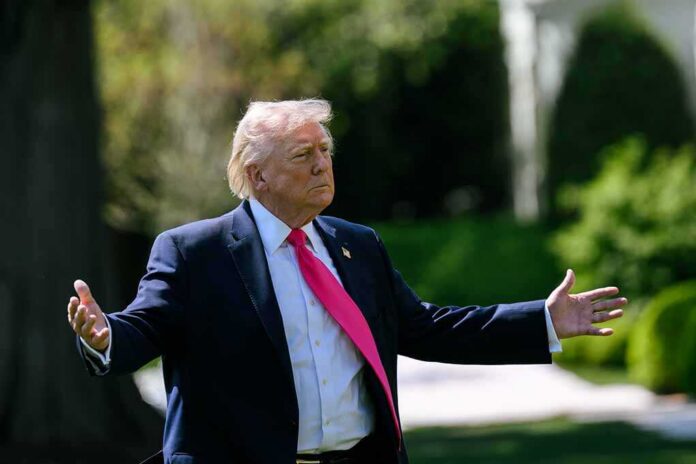
Sen. Mike Lee called President Trump’s public “my friend” greeting to Vladimir Putin a “masterstroke,” framing it as confident, deal‑making diplomacy caught on camera.
Story Snapshot
- Sen. Mike Lee praised Trump’s Putin greeting as “a masterstroke” on Fox News.
- CNN’s transcript captured Trump saying of Putin, “He’s my friend,” at the APEC summit.
- Reports described no clear breakthrough from the summit’s meetings and events.
- Trump said he could not speak to whether Putin is “a friend” to America, drawing a line.
What Happened at the APEC Summit Greeting
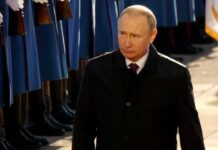
Broadcast transcripts and reports show President Trump greeted Vladimir Putin at the Asia‑Pacific Economic Cooperation summit in Shenzhen. Cameras recorded Trump asking, “Who is he?” and then saying, “He’s my friend,” during a brief handshake exchange. The interaction was public and widely replayed across networks. CNN’s November 19, 2026 transcript captured the key wording and timing from the summit coverage, anchoring what viewers heard and saw on air.
Follow‑on reporting stated that when pressed later on whether Putin is a friend to the United States, Trump drew a distinction. He reportedly said he could not speak for America on that label. That answer set a personal tone without calling Russia a United States ally. It also showed a line between leader‑to‑leader rapport and national alignment. CNN’s later segment documented that qualification for viewers.
How Sen. Mike Lee Described Trump’s Approach
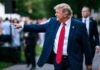
Sen. Mike Lee spoke on Fox News about the clip and praised Trump’s style. Lee said Trump shows strength and confidence and treats leaders “as human beings” to open doors for talks. He called the moment “a masterstroke, absolutely brilliant.” Lee argued that informal, direct contact can lower tensions and create space for real negotiation. The exchange with host Laura Ingraham highlighted a conservative view that personal diplomacy can advance American interests.
Lee’s argument fits a known diplomatic idea. Supporters say face‑to‑face warmth can build trust and move stubborn talks. They point to past summits where tone shaped progress, even when formal steps came later. But critics often ask for measurable results, such as signed deals or verifiable policy shifts. Major outlets reported that this summit did not produce concrete advances on security issues, even with the high‑profile meetings and hallway greetings.
What the Records Show About Outcomes So Far
News accounts after the summit described symbolic messages but no firm next steps on key disputes. Reporting said leaders reaffirmed general principles but did not announce new arms control talks or visible changes on war and peace. That does not rule out private progress, but it leaves the public record thin on outcomes. For voters, that means judging the moment mainly by tone, access, and posture captured on the cameras.
Sen. Mike Lee just explained Trump's diplomacy better than the entire foreign policy establishment ever has.
Lee said that if Trump treated foreign adversaries the way Democrats treat him, it would be DISASTROUS for national security. Instead, Trump builds rapport with them.… pic.twitter.com/UPGw6gisOk
— Gunther Eagleman™ (@GuntherEagleman) November 21, 2026
The transcript record is clear on the words used and the setting. Trump publicly used friendly language toward Putin in a greeting line. He later kept that label personal rather than national. Lee, a Republican senator, praised the tactic as strong and smart. Those points rest on broadcast logs and the senator’s on‑air remarks. Any broader claim about hard results will require formal readouts or agreements that have not been shown in the current reporting.
Why This Matters to Conservative Readers
Seasoned negotiators know tone can help close tough deals, but tone alone is not policy. Conservatives want peace through strength, clear red lines, and wins that protect American workers and families. Trump’s allies say his open, personal style makes rivals lower their guard. His critics demand proof on paper. For now, the public record shows a confident greeting, a personal‑not‑national label, and a senator’s strong defense of that approach, with no documented concessions yet.
Sources:
mediaite.com, thedailybeast.com, chamberlight.com, transcripts.cnn.com