
As Washington edges closer to another Middle East entanglement, Russia and Saudi Arabia are positioning themselves as the “stabilizers” of a crisis that could spike oil prices and expose America’s war promises as hollow.
At a Glance
- Russia’s Vladimir Putin and Saudi Crown Prince Mohammed bin Salman held an April 2 call urging a swift end to hostilities and more diplomacy amid a worsening regional war.
- The Kremlin readout emphasized civilian casualties, destruction of strategic infrastructure, and risks to energy production and transport.
- Both leaders highlighted continued OPEC+ coordination to stabilize global oil markets as disruptions and chokepoint fears grow.
- Reports and analysis point to rising anxiety around shipping routes like the Strait of Hormuz and Saudi efforts to reduce exposure by rerouting some flows.
Putin and MBS signal de-escalation while the region heats up
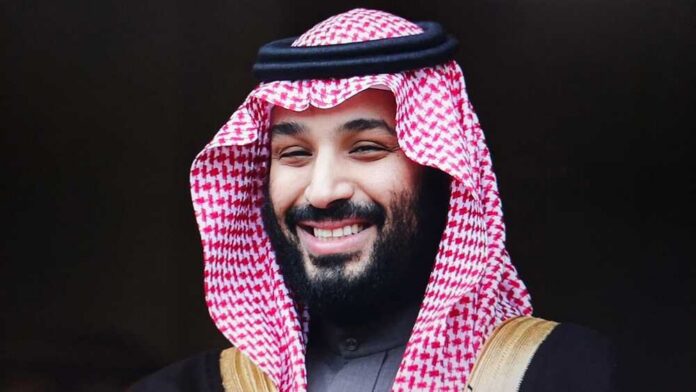
Russian President Vladimir Putin and Saudi Crown Prince Mohammed bin Salman spoke by telephone on Thursday, April 2, according to multiple outlets citing the Kremlin. The message was direct: the military-political situation in the Middle East is deteriorating, civilians are paying the price, and strategic infrastructure is being hit. The leaders called for a quick end to hostilities and intensified diplomacy aimed at a longer-term settlement that accounts for the interests of all sides.
For American conservatives who remember how “limited” interventions became generational wars, the notable point is not Moscow’s humanitarian language but the vacuum it’s trying to fill. When the U.S. government looks like it’s sliding into open-ended conflict, outside powers step forward to claim the “adult in the room” role. That dynamic can weaken U.S. leverage while still leaving American taxpayers holding the bill if escalation pulls Washington deeper into the fight.
Energy security is the subtext—and OPEC+ is the tool
The Kremlin readout and follow-on reporting emphasized continued OPEC+ coordination as a stabilizing lever for global energy markets. Russia and Saudi Arabia have built a decade-long habit of managing output and calming price shocks through that framework. In this crisis, the concern is not theoretical. Disruptions to production and transport—plus fear surrounding regional transit routes—can translate quickly into higher fuel costs, higher shipping costs, and renewed inflation pressure for U.S. households already tired of “everything costs more.”
Some coverage and video analysis also pointed to nervousness around chokepoints such as the Strait of Hormuz and described Saudi efforts to reduce exposure, including rerouting flows through alternative outlets. Those details matter because even the perception of risk can move markets. The practical effect for U.S. families is simple: when global energy becomes less reliable, domestic prices often follow—raising costs for commuting, groceries, and home heating. Conservatives watching Washington’s decisions see energy as a kitchen-table issue, not an abstract geopolitical chess match.
Where this intersects with Trump’s second term and a divided MAGA base
The timing lands in a politically sensitive moment at home. With President Trump in a second term, the administration owns the real-world consequences of federal action, including any drift toward a broader conflict involving Iran, Israel, and U.S. forces. It describes a base increasingly frustrated not only with the last decade’s cultural and fiscal excesses, but also with “forever war” dynamics—especially when the public is told escalation is necessary, yet the endpoint is unclear.
Diplomacy sounds good—until it becomes leverage against U.S. interests
Putin and Mohammed bin Salman framed their call around de-escalation and diplomacy, with language about respecting the interests of all parties. That formulation can be read two ways. In the best case, it is a realistic push to stop infrastructure destruction and civilian casualties. In the harder reading, it is also a way for major energy producers to shape the outcome—and price stability—on their terms. U.S. policymakers should assume rivals will use any American hesitation or overreach to expand influence.
There is no confirmed ceasefire progress tied to the call, and there is limited publicly documented detail on what specific diplomatic steps will follow. What is clear is the signaling: Russia and Saudi Arabia want the world to see them coordinating as responsible actors while the conflict threatens oil flows. For Americans, especially those wary of government overreach and costly foreign adventures, that’s another reminder that war abroad often becomes inflation and expanded federal power at home.
As this story develops, the key questions for U.S. voters remain straightforward: what is the mission, what is the legal and constitutional basis, what does “victory” look like, and how will Washington prevent a new open-ended commitment that drives energy costs up while eroding trust at home?
Sources:
https://en.yenisafak.com/world/putin-saudi-crown-prince-discuss-mideast-crisis-civilian-toll-3716606
https://english.news.cn/20260403/c94d9082efb44b97b956dc5f69a7cb91/c.html
https://channel8.com/english/news/55706
https://www.vanguardngr.com/2026/04/putin-saudi-prince-seek-more-efforts-to-end-middle-east-war/