
As Israeli jets pound Hezbollah positions in Lebanon despite a US‑brokered “truce,” it is increasingly clear this ceasefire is a tactical pause in a wider war, not real peace.
Story Snapshot
- Ceasefire language lets Israel keep striking in “self‑defense,” turning the truce into a managed pause, not an end to war.
- Hezbollah keeps testing the border, while Israel continues precision strikes and holds a security buffer inside Lebanon.
- Iran’s shadow looms large, tying Lebanon’s violence to a broader regional showdown with Washington and Jerusalem.
- For American conservatives, the fragile truce highlights why a strong Israel and a clear-eyed Trump doctrine still matter.
Ceasefire on Paper, Shooting War on the Ground
The 2026 Israel–Lebanon ceasefire was sold to the world as a step toward calm, but even the official text makes clear it is a temporary “cessation of hostilities,” not a lasting peace.[1][5] According to the United States Department of State, the deal set a ten‑day halt to offensive operations starting April 16, 2026, explicitly framed as space for negotiations—not a binding peace agreement.[1][5] The agreement was later extended several times, underscoring that Washington sees it as a rolling pause that can be adjusted as talks progress.[1][3]
From the start, Israel insisted on keeping its right to act if threatened, and the United States text backed that up.[1][5] The State Department said Israel would “retain the right to act in self‑defense against imminent or ongoing threats” while refraining from broad offensive operations inside Lebanon.[1][5] That language is crucial: it means when Hezbollah launches rockets, drones, or cross‑border probes, Jerusalem can argue it is still within the ceasefire and act militarily without formally tearing up the agreement. For a country facing Iranian‑backed militias on multiple fronts, that flexibility is not optional—it is survival.
Violations, Buffer Zones, and a “Truce” Under Fire
Hours after the ceasefire took effect, the Lebanese military reported “a number of ceasefire violations,” including what it described as several Israeli attacks and intermittent shelling on border villages.[2] British government analysis similarly notes that fighting in Lebanon only eased, not stopped, and that the Israel Defense Forces had already struck more than 3,500 Hezbollah targets by early April, killing roughly 1,100 of the group’s operatives before the pause began.[2] Those numbers expose how intense the campaign was and why nobody on the ground confuses this pause with peace.
Israel also made one hard security choice that tells conservatives everything about how seriously it takes the Hezbollah threat: it kept troops inside southern Lebanon.[2] The same United Kingdom bulletin reports that Israel announced its forces would remain in a “security buffer zone” eight to ten kilometers inside Lebanese territory even during the ceasefire.[2] That zone is meant to push rocket teams and infiltrators farther from Israeli communities, much like past security belts Israel has used when the northern border turns hot. Lebanese and United Nations voices call this an ongoing violation, but for Israelis who endured years of cross‑border attacks, it is common‑sense defense.
Hezbollah’s Defiance and Iran’s Shadow Strategy
While Beirut’s government is formally part of the agreement, Hezbollah is not a signatory, and that is no accident.[1] The militia remains an Iranian proxy army embedded inside a fragile state, and multiple analyses warn that it has repeatedly violated past deals by rebuilding its military infrastructure and stockpiles after every war.[6] That pattern is repeating: reports since late 2024 describe Hezbollah fighters moving where they should not and testing Israeli positions even under earlier ceasefires.[5] For American readers, this looks a lot less like a “partner for peace” and a lot more like a terrorist organization biding its time.
Iran’s regional game only makes this ceasefire more fragile. The United Kingdom’s May 2026 security bulletin notes that Lebanon did not fall under a separate United States–Iran ceasefire, and that Israel explicitly said its Lebanon campaign was not covered by that arrangement.[2] Hezbollah’s large‑scale missile and drone barrage on March 2, 2026, came in direct response to United States–Israeli strikes that killed Iran’s supreme leader, triggering what Jerusalem called a declaration of war.[2] In other words, the fighting on Israel’s northern border is part of a broader showdown with Tehran, not a local border spat that can be smoothed over with one piece of paper.
Trump’s Mediation, Media Narratives, and What It Means for Americans
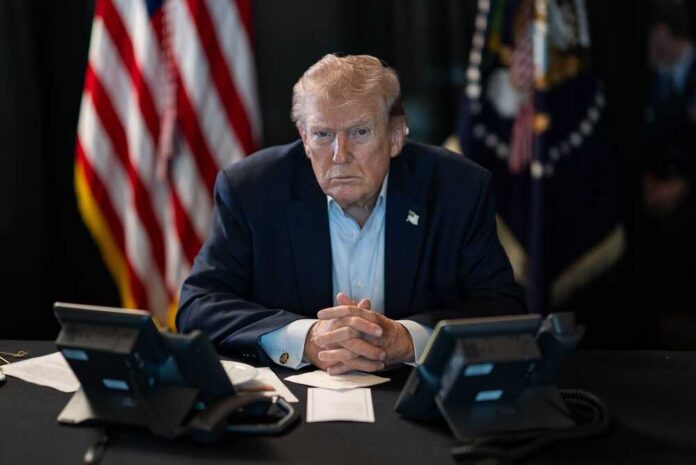
President Donald Trump’s administration brokered the initial ten‑day truce and then pushed through multiple extensions, with Trump personally mediating between Israeli and Lebanese envoys.[1][3] The Council on Foreign Relations notes that the extra three‑week extension was specifically designed to “buy more time for diplomacy toward a peace deal” and that Washington pledged to help Lebanon “protect itself” from Hezbollah.[3] That line reflects a core Trump doctrine: pressure Iran’s proxies while trying to strengthen weak states that want to break free from Tehran’s grip, rather than rewarding terror groups with concessions.
🚨 BREAKING: Israeli airstrikes in eastern Lebanon have reportedly killed at least 12 people as the already fragile ceasefire appears to be rapidly unraveling.
Regional tensions are rising fast, with fears growing that clashes between Israel and Hezbollah could spiral into a… pic.twitter.com/7q2swqYsUM
— Global Pulse (@statsofearth04) May 26, 2026
Despite this, much of the global media frames the situation as if Israel is the main obstacle to peace, focusing heavily on Israeli airstrikes while downplaying Hezbollah rockets and Iran’s role.[4] A France‑based outlet covering the south openly admitted the ceasefire is “ink on paper” while simultaneously emphasizing Israeli escalation.[4] United Nations experts publicly condemn Israeli strikes and partial occupation, warning that ceasefire violations are harming schools, clinics, and places of worship, but they say far less about Hezbollah embedding itself in those same civilian areas. For American conservatives, that imbalance is familiar from years of biased coverage of Israel, border security, and Islamist violence.
Sources:
[1] Web – In Lebanon, a fragile ceasefire between Israel and Hezbollah begins
[2] Web – A ceasefire happened in Lebanon, but Israel seems to have missed …
[3] YouTube – Lebanon ceasefire under strain as Israel-Hezbollah violence escalates
[4] Web – Israel-Hezbollah Ceasefire: A Fragile Pause in a Conflict-Ridden …
[5] Web – Hezbollah and Israel: From the brink of all-out war to a fragile …
[6] YouTube – Renewed fighting threatens fragile Israel-Hezbollah ceasefire