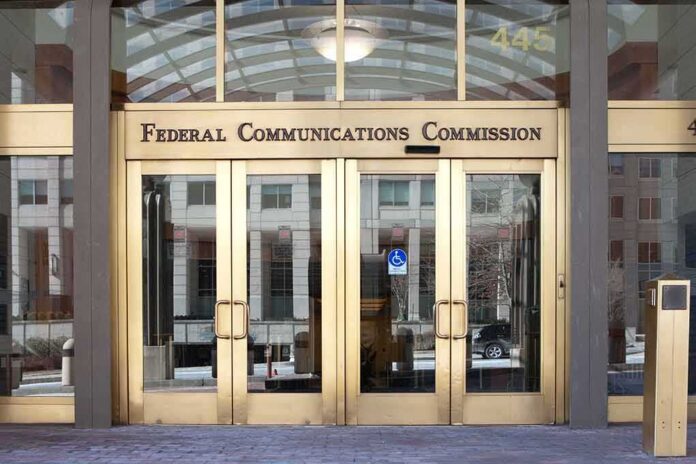
The federal “Obama Phone” program is again under fire, as the Federal Communications Commission moves against a provider accused of abusing a subsidy that many taxpayers already see as a symbol of waste and fraud.
Story Snapshot
- The Federal Communications Commission (FCC) is tightening enforcement against alleged fraud in the Lifeline “Obama Phone” program.
- The agency says providers, not Washington databases, are responsible for making sure only truly eligible low-income Americans get subsidized phone service.
- Past cases show millions in taxpayer-funded subsidies went to ineligible, duplicate, or even fake “Obama Phone” accounts.
- Conservatives see the crackdown as proof the program grew too fast under Democrats and needs strict guardrails to protect taxpayers.
FCC Targets Suspected Lifeline Fraud As Program Faces Fresh Scrutiny
The Federal Communications Commission is stepping up enforcement against a Lifeline provider accused of gaming the phone subsidy program that critics call the “Obama Phone” giveaway. The Lifeline program uses money from the Universal Service Fund to discount phone and internet service for low-income households, but years of audits have found widespread abuse and weak controls. Under President Trump, new leadership at the commission is pushing harder on fraud, warning that providers will face steep penalties if they enroll ineligible or duplicate customers.
In public notices, the Federal Communications Commission reminds eligible telecommunications carriers that they, not Washington, carry direct responsibility for who they enroll. The commission’s enforcement advisory says companies must claim support only for people who truly qualify and must keep policies and procedures to prove that every Lifeline subscriber is eligible. A separate commission notice stresses that use of the National Verifier database does not erase that duty, meaning providers cannot hide behind federal systems when bad enrollments surface.
Obama-Era Expansion Opened Door To Massive Waste And Abuse
Conservatives have long argued that Lifeline exploded under Democratic leadership, turning a narrow safety-net into a bloated “Obama Phone” entitlement with little accountability. A Government Accountability Office report found that more than one-third of enrollees in the program may not have qualified, confirming many taxpayers’ fears about lax oversight. In response, the Federal Communications Commission began building national databases and cross-checking enrollment lists against death records, which helped block more than a million suspected cheating attempts.
Even with those fixes, enforcement files show a pattern of brazen fraud by some providers and executives. TracFone Wireless, one of the biggest Lifeline brands, agreed to pay $13.4 million to settle claims that it enrolled more than 175,000 ineligible customers between 2012 and 2015, repaying nearly $11 million tied to bogus accounts. Federal officials have also proposed tens of millions of dollars in fines against other carriers accused of signing up ineligible or duplicate subscribers, with one enforcement push targeting five providers for more than $14 million in penalties. These numbers confirm why many conservatives see the “Obama Phone” program as a case study in government overspending and poor control.
Providers Held Liable For Agents, Ownership Tricks, And Enrollment Schemes
To close loopholes that past fraudsters exploited, the Federal Communications Commission has been clear that Lifeline providers will be held responsible for the actions of their sales agents and enrollment vendors. An enforcement advisory states that companies remain liable if their agents or representatives break Lifeline rules, even when those agents work through third-party shops or street teams. This stance matters because many abuses have involved aggressive sign-up crews pushing people into the program without proper checks, a tactic that shifts risk onto everyday taxpayers.
Commission guidance also warns that carriers cannot quietly shuffle corporate ownership while cashing federal subsidies. Lifeline providers are told they must update their ownership information and seek bureau approval before material changes in control, with failure risking forfeitures and enforcement action. Oversight reports highlight recurring red flags like duplicate enrollments, claims for deceased subscribers, and weak internal controls, all of which can trigger investigations and reimbursement demands. Together, these rules aim to stop companies from using shell structures or sloppy systems to milk the “Obama Phone” fund.
Trump-Era Crackdown Signals Shift Toward Taxpayer Protection
Recent enforcement moves show the Federal Communications Commission using tougher tools when it believes a provider is breaking the rules over and over. In one widely reported case, the commission blocked a major Lifeline company from enrolling any new customers after it allegedly failed to fix improper and possibly unlawful practices. Other actions include consent decrees and multimillion-dollar settlements that force carriers to adopt strict compliance plans, repay subsidies, and submit to ongoing audits. For a conservative audience, these steps look like overdue accountability for a program that Washington allowed to grow out of control.
At the same time, the public record shows limits in what outside observers can see about individual cases. Many available documents are broad advisories, rule summaries, or media write-ups rather than the full investigative files for each accused provider. That means Americans often learn about alleged “Obama Phone” fraud only after the commission announces proposed fines or settlements, not while the underlying evidence is being gathered. Still, the pattern is clear: auditors and investigators have uncovered repeated abuse, and current enforcement moves reflect a push to defend taxpayers, tighten eligibility, and make sure Lifeline serves legal, living, and truly needy Americans—not scammers and corporate insiders.
Sources:
pjmedia.com, fcc.gov, docs.fcc.gov, benton.org, lermansenter.com, oversight.gov, gao.gov, commlawcenter.com, politico.com, tlp.law