
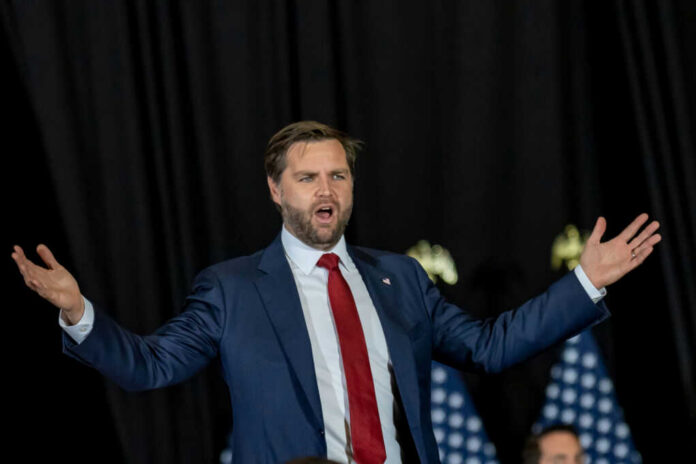
Vice President JD Vance is set to unveil new action on Obamacare fraud as the Trump administration tightens federal health spending to protect taxpayers.
Story Highlights
- White House task force led by Vance is driving a broad anti-fraud push across federal benefits.
- Centers for Medicare and Medicaid Services tied new nationwide enrollment limits to the crackdown.
- House Republicans subpoenaed Affordable Care Act insurers in a related probe of subsidy fraud.
- Critics blame premiums for coverage drops, but the administration says fraud is a core driver.
What Vance Plans To Announce On Obamacare
Vice President JD Vance will announce new steps on Affordable Care Act fraud at the White House, according to reporting that follows months of actions to restrict wasteful health spending and guard federal dollars. The announcement caps a spring and summer of enforcement moves under President Trump’s direction. The effort seeks to stop misuse of subsidies and fake applications on federal exchanges and to demand stronger verification from insurers and states.
The administration’s message is simple: fraud and abuse raise costs for honest families and seniors. The White House argues that tighter screens and swift removals will protect care for those who qualify and save money for taxpayers. Health officials told insurers to check flagged accounts and, if proof does not come in after sixty days, report them for cancellation under federal rules. Supporters say this is common sense accountability that was missing for years.
The Task Force And Medicare Actions Driving The Crackdown
President Trump formed the Task Force to Eliminate Fraud in March 2026 and named Vice President Vance as chair. The Department of Health and Human Services documents the task force and its role in program integrity planning for this fiscal cycle, showing a coordinated push across agencies. The Centers for Medicare and Medicaid Services linked a six-month, nationwide moratorium on new hospice and home health enrollments to the task force, citing risks to seniors and taxpayers.
The moratorium is national and data-driven, targeting sectors where bad actors have rushed in. Centers for Medicare and Medicaid Services says the pause lets investigators scrub suspicious spikes and clear backlogs while keeping real providers in place. This approach mirrors past health-fraud playbooks: freeze the front door where scams surge, clean up billing patterns, and then reopen with guardrails. The goal is to cut losses now and deter the next wave of schemes.
Obamacare Subsidies Under The Microscope
The House Judiciary Committee’s Republican majority subpoenaed eight Affordable Care Act insurers for records in an investigation into possible subsidy fraud. Lawmakers asked about accounts that received credits but showed little or no use and about broker payments on marketplace plans, signaling concern about gaming of sign-up and referral systems. The inquiry runs alongside the White House push and could feed new rules if gaps appear.
States with their own exchanges counter that higher premiums and the end of richer subsidies explain most enrollment losses, not fraud. Politico reported that several exchanges said affordability was the main driver of drops and that the Centers for Medicare and Medicaid Services had not yet shown proof that fraud caused the decline. That tension frames the fight: enforcement leaders see lax verification inviting abuse, while some blue states blame costs first.
How The Verification Push Works And What Comes Next
Centers for Medicare and Medicaid Services told insurers it will send files of accounts it thinks may be unauthorized and set a sixty-day window for proof. If insurers cannot verify, they must report the policies so the agency can cancel them. Health policy voices questioned federal estimates and assumptions, but the process itself is clear: verify the person, verify the need, and stop paying when facts do not check out.
The next steps will test cooperation. Vance has warned that states must “get serious” about fraud or face funding consequences, a stance that drew criticism from opponents who call the threats political. The administration says taxpayers deserve strict stewardship and that enforcement protects benefits for seniors, veterans, and working families. Tuesday’s announcement will show how the White House plans to sharpen Affordable Care Act screening while holding insurers and states to higher standards.
Sources:
nypost.com, ccf.georgetown.edu, wpde.com, theguardian.com, cms.gov, hhs.gov, ground.news