
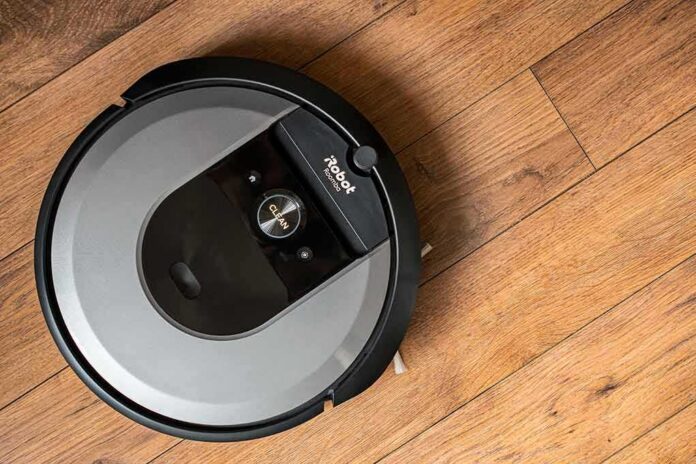
A new federal ban on foreign-made robot vacuums exposes just how far unelected regulators can reach into your home in the name of “national security.”
Story Snapshot
- FCC added foreign-made “advanced robotic devices” to a national security Covered List, blocking most new robot vacuums from U.S. sale.
- Ban applies to future foreign-produced models that meet broad technical criteria, not to devices already in American homes.
- Rule hits major Chinese-linked brands and raises questions about consumer choice, prices, and American-made alternatives.
- Move is framed as part of President Trump’s AI Action Plan to cut cybersecurity and supply‑chain risks from hostile nations.
FCC Targets Foreign Robot Vacuums Under National Security Rules
The Federal Communications Commission (FCC) has expanded its national security “Covered List” to include foreign-made advanced robotic devices, and that category now clearly covers robot vacuums. Devices on this list cannot get the equipment authorization they need to be imported, marketed, or sold in the United States, which means most new foreign-produced robot vacuums will be stopped at the border before they ever reach store shelves. An FCC spokesperson confirmed that robot vacuums fall under the rule.
The FCC’s definition of an advanced robotic device is broad. It reaches any mechanical mobile device that can move on the ground, avoid obstacles, or navigate, weighs more than 4.4 pounds including a dock, and has sensors, wireless connectivity, or onboard software such as firmware or an artificial intelligence model. That description fits almost every modern smart vacuum, from popular Roomba-style cleaners to many rival brands. The same rule also sweeps in robotic lawn mowers and other mobile cleaning robots.
What This Ban Means for Your Current Roomba and Future Choices
This policy is not a raid on your living room. The FCC and multiple reports make clear that existing robot vacuums already approved for sale can stay on the market and keep running in your home. Retailers may continue selling previously authorized models, and consumers can keep using devices they already own. The FCC even issued a separate order allowing authorized robot vacuums to receive software and firmware updates that help protect users, at least until January 1, 2029.
The real impact hits the future product pipeline. Because new foreign-made models generally cannot obtain FCC authorization, major brands that rely on Chinese manufacturing and parts will face a wall in the U.S. market. Coverage points to companies like Roborock and Ecovacs, along with other smart-vacuum makers, as likely being affected by the rule. Analysts warn this could sharply reduce the range of new models available to American buyers or force brands to shift assembly and sourcing away from China and other flagged countries.
Cybersecurity, China, and the Push for American-Controlled Tech
The FCC and the White House justify this action with two linked concerns: cybersecurity vulnerabilities and supply-chain risk from foreign dependence. The agency argues that networked robotic systems in American homes and businesses can be hijacked by hostile actors to collect surveillance data, map spaces, or even disrupt critical infrastructure. The Trump administration’s broader AI Action Plan stresses that advanced devices with sensors and connectivity should not rely on components from nations that may weaponize that access against the United States.
Has China been spying on us with our home vacuums?
That’s semi terrifying….The FCC just banned the sale and import of new foreign-made advanced robotic devices, including Roomba and other popular robot vacuums. The decision cites national security and cybersecurity concerns.… pic.twitter.com/xayUMe5VgB
— Clerpatriot (@clerpatriot) July 31, 2026
The Covered List mechanism is familiar from earlier fights over Chinese telecom gear. It lets regulators cut off future approvals without ordering immediate removals, which fits a conservative desire to avoid chaos while still pushing back on Beijing’s reach. At the same time, the rule’s wording is so wide that it scoops up everyday household gadgets, not just obvious high-risk robots. That tension fuels criticism that agencies must draw lines more clearly so they hit genuine threats while letting ordinary consumer tech compete and innovate.
Conservative Concerns: Regulation Creep vs. Real Security
For many right-leaning Americans, this story carries a mixed message. On one side, there is strong support for getting serious about Chinese-made connected devices that roam through our homes gathering data. On the other side, there is frustration that a powerful regulator can, with one list update, block almost all new foreign robot vacuums from the market and then quietly extend similar rules to other products. The USA Today coverage notes that the ban operates through future authorization, not a direct consumer recall, which can make the change harder for regular citizens to see and challenge.
President Trump’s team is pushing to rebuild secure, American-centered supply chains and cut dependence on hostile regimes. Many conservatives welcome that shift after years of globalist policies that handed leverage to China. Still, they expect those efforts to be paired with simple, transparent rules that respect consumer choice and don’t morph into open-ended bureaucratic control over what gadgets families can buy. As more devices are labeled “advanced,” the risk grows that federal agencies may quietly steer the entire market instead of focusing tightly on the worst security offenders.
Looking Ahead: American Alternatives and Guardrails on the Bureaucracy
The ban also opens the door for American and allied manufacturers to step up with secure robot vacuums built and coded under U.S. or trusted oversight. If companies move production onshore or to friendly countries, and if they meet the FCC’s standards, they can seek waivers or approvals and keep serving American customers. That path lines up with conservative goals of stronger domestic industry and less reliance on Chinese tech, but it will take time and investment.
For now, consumers should understand two key things. First, the robot vacuum already humming in your hallway is not being outlawed. Second, the federal bureaucracy just proved again how much control it holds over what future devices can enter your home. Conservatives who care about both national security and limited government will want to watch closely as this new “advanced robotics” category evolves, pressing Congress and President Trump’s appointees to keep the focus on real threats and protect everyday freedom of choice.
Sources:
reddit.com, zdnet.com, basic-tutorials.com, androidheadlines.com, san.com, pcmag.com, cnet.com, macrumors.com, notebookcheck.net