

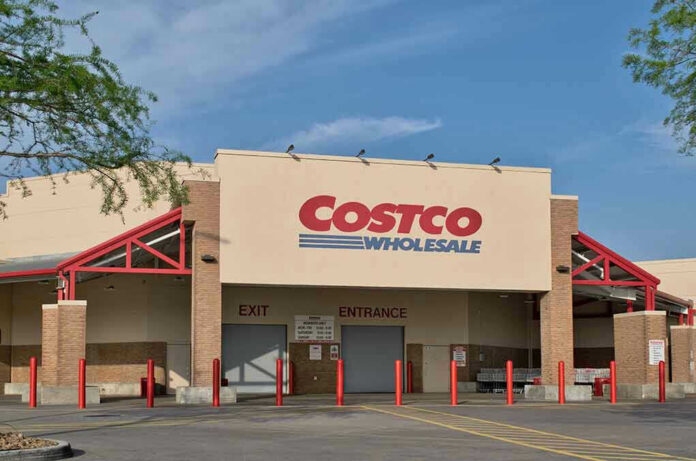
Americans rushed to stock up at Costco after high-profile tech outages, pushing emergency-prep goods and generators to sell out online, according to new analyst and company reports.
Story Highlights
- Analyst says 21 of 26 high-ticket generators on Costco’s site were sold out.
- Costco reports higher buying of rice, canned food, water, paper, batteries, and generators.
- Estimated U.S. comparable sales jumped late October amid outage and travel disruption news.
- Social media chatter helped fuel demand for emergency supplies across key categories.
Analyst Flags Generator Stockouts And Late-October Sales Jump
Mizuho Securities analyst David Bellinger reported that shoppers were pantry-loading and that 21 of 26 high-ticket generators listed online at Costco were sold out as of November 15. He linked the demand spike to fears stoked by tech disruptions and viral “apocalyptic” talk. He also estimated that U.S. comparable sales, excluding gasoline, accelerated to about 11%–12% year over year in the final week of October, up from 6%–7% earlier in the month.
MarketWatch summarized that Mizuho’s conversations with Costco management suggested normal trends for most of October, then a lift from emergency-prep buying in the final week, producing an 8.1% gain for October same-store sales overall. That report echoed the generator sellout and pantry-loading themes, and tied them to consumer anxiety after a Microsoft Outlook outage and a nationwide airline ground stop.
Costco Confirms Increased Buying Across Prep Categories
Costco Chief Financial Officer Gary Millerchip told Bloomberg by email that the company saw increased buying on rice, canned goods, water, paper products, generators, batteries, and similar items. He said the trend seemed to follow concerns circulating on social media. While the statement did not include percentage gains or locations, it aligns with the sales pickup Mizuho described and confirms that shoppers turned to staples and backup power items in recent weeks.
Multiple outlets repeated the key signals: heavy interest in generators, faster late-October sales, and a wave of shoppers moving to boost self-reliance. Coverage highlighted emergency-prep behavior after a string of technology outages and flight disruptions. The reporting leaned on the same analyst note as its backbone, which centered the timing link between outages, social media fears, and a short, sharp demand burst for essentials and power gear.
What Drove The Rush: Outages, Groundings, And Social Media
Analysts tied the surge to three events: a Microsoft Outlook outage, a brief nationwide grounding of U.S. airline flights, and loud “end times” chatter online. Those events hit confidence at once and reminded families how fast systems can fail. The response was simple and rational for many households: add water, rice, canned food, and batteries; and consider a generator before the next shock. That is classic crisis stockpiling, not chaos—buy early so you are not left out later.
The sales pattern mirrors earlier research on consumer behavior. Studies during health crises found that people often act to build a small buffer at home when they see shortages or expect them. They also react to what friends post and share. That does not make them panicked. It shows they want control in uncertain times. The Costco picture matches that logic: a short window of heavier buying across items that keep lights on and pantries full.
How To Read The Numbers Without The Hype
The late-October comparable sales estimate provides a useful signal, but it is still an estimate from one research note. The generator stockouts show strong demand for a few big-ticket items, but they do not reveal unit counts or margins. The company’s finance chief confirmed elevated demand across core prep categories, which supports the broader story. Together, these facts point to a real buying bump tied to recent events and online chatter, even if exact category totals are not public.
Consumers are panic-buying at Costco, snapping up generators and other emergency-preparedness items in response to a recent string of technology outages, according to investment firm Mizuho Securities.
“Consumer anxiety following the Microsoft Outlook outage, the ground stoppage… pic.twitter.com/tC3O1DCIDW
— CBS News (@CBSNews) November 18, 2026
For right-leaning readers, one lesson stands out: families are not waiting on officials to fix every problem. They are taking steps to protect their homes from blackouts, broken travel systems, and digital failures. That mindset values self-reliance and resilience. It also pressures retailers and supply chains to stay ready. When faith in big systems dips, Americans invest in backup power and shelf-stable food. That is common sense in an age when outages can spread fast and hit without warning.
Why This Matters Now
Short bursts of stockpiling can strain store shelves, but they also reveal what households trust. Water, rice, beans, paper, batteries, and generators top the list because they cover the basics. Retailers can smooth these bumps with steady replenishment and clear limits when needed. Shoppers can plan by building slow, steady reserves at normal prices, then topping off when news breaks. That balance helps families stay ready without fueling empty shelves that hurt neighbors.
Sources:
marketwatch.com, cbsnews.com, economictimes.com, cnbc.com