
America just took a concrete step to break dependence on foreign nuclear fuel as Oklo and Centrus locked in multi-year contracts for U.S.-made HALEU starting in 2029.
Story Highlights
- Oklo signed definitive, multi-year HALEU contracts with Centrus, not just a proposal.
- Fuel will come from Centrus’s American Centrifuge Plant in Ohio, beginning in 2029.
- Agreements cover enough fuel to support up to five Aurora powerhouses for multiple years.
- Oklo prepayments will help fund more U.S. enrichment capacity and jobs.
Definitive Fuel Deals Anchor U.S. Enrichment In Ohio
Oklo announced that it executed multiple definitive, multi-year supply contracts with Centrus Energy for high-assay low-enriched uranium, known as HALEU. Centrus separately reported the contract signing in a filing dated November 12, 2026. The deals move beyond a June 2026 letter of intent and formalize the path to fuel Oklo’s Aurora powerhouses. The contracts identify Centrus’s American Centrifuge Plant in Pike County, Ohio, as the source for the fuel, cementing a domestic supply chain for advanced reactors.
The agreements state deliveries are scheduled to start in 2029, giving developers and customers a firm date to plan projects and power sales. The volume is described as enough HALEU to support up to five Aurora powerhouses for multiple years, which aligns with Oklo’s plan to deploy small, factory-built reactors that can serve data centers, bases, and towns. These are binding contracts, not aspirational language, providing a clear signal to suppliers, investors, and grid planners.
Prepayments Aim To Expand U.S. Capacity And Cut Foreign Risk
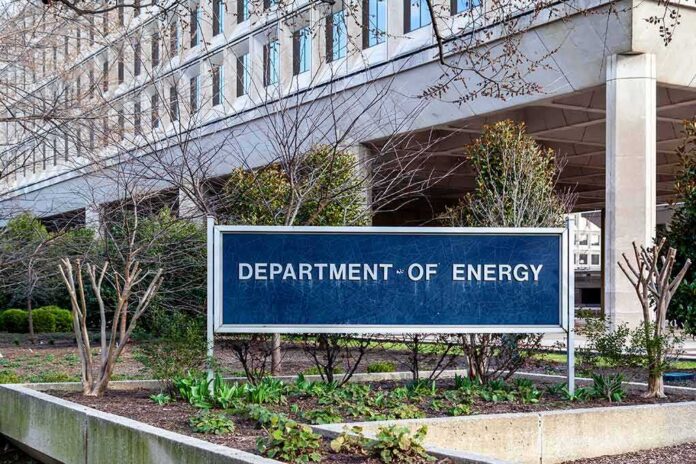
Oklo will make prepayments tied to future deliveries to help Centrus build more U.S. enrichment capacity. That approach links private capital to a strategic energy goal: onshore nuclear fuel, made by Americans in Ohio. The Department of Energy has also shifted to direct awards that back domestic HALEU capacity, including a reported nine hundred million dollar task order to expand the Ohio plant’s production lines. Together, private contracts and federal support can speed real capacity by decade’s end.
Centrus has already produced initial HALEU under earlier government work, and federal documents describe plans to bring the next wave of capacity online by 2029. Those milestones matter because advanced reactor designers need assured fuel to finish designs and sign customer deals. These Oklo–Centrus contracts help solve that “chicken-and-egg” problem by creating a demand anchor that justifies building more American enrichment units and the jobs that come with them.
From Letter Of Intent To Binding Commitments With A Timetable
The June 2026 letter of intent between Oklo and Centrus was non-binding and subject to definitive documentation, which both companies have now executed. The final contracts set a domestic source, a start year, and a multi-year runway for deliveries. That clarity is a win for energy security and for communities that want steady, affordable, and carbon-free power without relying on rivals abroad. It also supports President Trump’s agenda to restore American energy dominance through reliable baseload power.
Public filings do not disclose exact kilograms, enrichment levels, prices, or detailed delivery milestones. But the core facts are firm: executed multi-year contracts, domestic production in Ohio, a 2029 start, and volumes sized for up to five Aurora units. Federal watchdog reporting shows the government is prioritizing domestic HALEU to reduce foreign risk and stabilize supply for national security and commercial users, which strengthens the case for these private commitments.
What It Means For Families, Grids, And American Industry
These contracts point to steadier power, good jobs, and lower exposure to unstable foreign sources. Small, advanced reactors can back up wind and solar, keep factories running, and power fast-growing data hubs without spiking bills when the sun sets or the wind dies. Locating enrichment in Ohio keeps critical fuel inside our borders, protects against supply blackmail, and honors the principle that America should control the energy that powers our homes, churches, and small businesses.
If companies keep to schedule, communities could see new construction, skilled trades work, and a stronger local tax base as the plant expands. Utilities and large buyers could sign long-term power deals with more confidence. The path is clear: lock in American fuel, build American reactors, and keep energy reliable and affordable. These binding Oklo–Centrus agreements are a real step toward that future, with the clock now ticking to 2029 deliveries.
Sources:
zerohedge.com, sec.gov, oklo.com, stocktitan.net, morningstar.com, investors.centrusenergy.com