
A single missile from Yemen just changed the Iran war from a brutal campaign into a regional endurance test with a shipping chokehold baked in.
Story Snapshot
- Day 29 brought a new front: Yemen’s Houthis fired a missile toward Israel, formally entering the conflict.
- Houthi leaders had telegraphed this move since early March, framing it as conditional support if Iran faced escalation.
- The biggest near-term risk shifts to the Red Sea and Bab al-Mandab, where disruption can outlast airstrikes.
- The war’s opening shock—U.S.-Israeli strikes and leadership decapitation claims—didn’t end the fight; it widened it.
Day 29: The Missile That Turned a War Into a Regional System
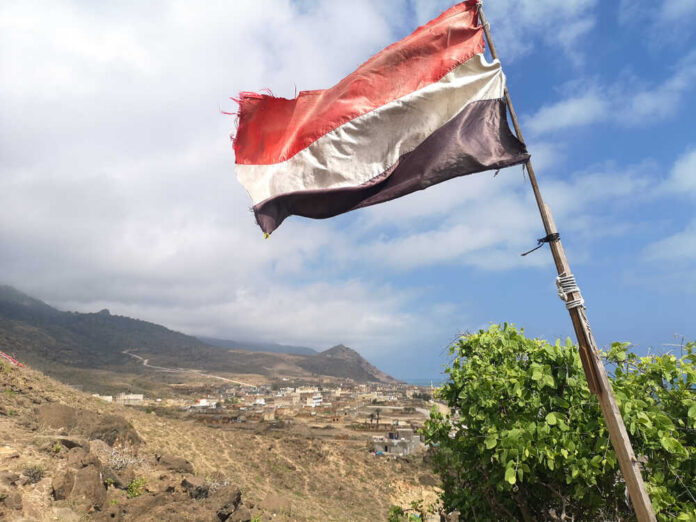
March 28, 2026 landed like a hard pivot. Yemen’s Iran-aligned Houthis launched a missile toward Israel and, with it, stepped into a war that had already ground through four punishing weeks. The strike mattered less as a single military event than as a signal: Tehran’s circle of aligned forces can add fronts faster than Washington can close them. That’s how conflicts become timelines, not battles.
The Houthis didn’t surprise anyone watching closely. Their warnings started weeks earlier: they described themselves as “ready,” waiting for what they called the “zero hour” decision. That language tells you the missile wasn’t improvisation; it was a trigger pulled after preparation. For Israel, it forces attention south. For the U.S. and Gulf partners, it reopens a maritime pressure point that commerce can’t ignore.
How the War Started, and Why It Didn’t End Quickly
The war began February 28 with U.S.-Israeli strikes on Iran and grew rapidly into a tit-for-tat campaign of missiles, drones, and long-range bombardment. Early reports emphasized massive strike counts and leadership targets, including claims that Iran’s top leader was killed in the opening day. Even if decapitation hits land, the war doesn’t automatically stop. Networks, stockpiles, and ideology don’t vanish; they migrate and adapt.
The conflict also started in a season that magnifies emotion and propaganda value. Ramadan timing adds a narrative layer that Iran and its allies can use for recruitment and justification. The casualty reporting remains uneven, but high death toll estimates and widely reported civilian incidents create the kind of anger that sustains long wars. Tactical brilliance can’t substitute for political end-states, and this war entered week five without one.
The Houthis’ Real Leverage: Not Tel Aviv, the Map
Israel can defend against missiles; global trade can’t defend against geography. The Houthis sit near the Bab al-Mandab strait, a narrow maritime gate linking the Red Sea to the Gulf of Aden and onward to the Suez route. When analysts talk about “prolonging the war,” they’re not describing endless dogfights over Tehran. They’re describing a grinding risk premium on shipping, insurance, schedules, and energy logistics.
This is where common sense cuts through fog. A missile aimed at Israel is dramatic; a threat to shipping is durable. The Houthis previously disrupted Red Sea traffic in earlier cycles of regional conflict and later paused after a ceasefire period, but they rebuilt. Their entry on Day 29 suggests intent to restore that pressure at a moment when Iran benefits from widening pain beyond the direct battlefield. That’s strategic, not symbolic.
Proxy War vs. Partnership: What the Houthis Admit and What Reality Shows
The Houthis deny being a simple Iranian proxy, and history gives them some independent identity: they’re rooted in Yemen’s internal conflict and have built local governance and military capacity over years. Still, alignment doesn’t require a signed contract. When a group times escalation to coincide with Iran’s needs, matches rhetoric to Tehran’s messaging, and threatens waterways that matter to U.S. allies, Americans should treat it as coordinated enough to be strategically indistinguishable.
American conservative values put a premium on clarity: name incentives, follow capabilities, and defend vital interests. The Houthi playbook targets commerce and civilian life to create political pressure—an approach that punishes ordinary people to leverage leaders. That’s not “resistance”; it’s coercion. Debates about labels shouldn’t distract from the practical question: can the U.S. and its partners keep trade lanes credible while avoiding a wider, costlier ground or maritime escalation?
What Comes Next: The Red Sea Clock and the War’s Hidden Price Tag
The immediate question isn’t whether the Houthis can win a conventional fight against Israel or the U.S. They can’t. The question is whether they can make the war harder to end by multiplying places where something can go wrong: a missile intercepted over Israel, a drone near a refinery, a ship rerouted for weeks, an insurance premium that doesn’t come back down quickly. Wars become politically expensive long before they become militarily impossible.
Expect messaging to intensify alongside operations. Iran’s strategy historically mixes direct retaliation with dispersed pressure through allied forces. The Houthis add a southern lever that complements threats in the Gulf and near Hormuz. The U.S. can strike launch sites and caches, but durable deterrence requires persistent coverage, allied burden-sharing, and clear consequences for repeat disruption. A free world economy can’t run on “we’ll see” security.
The larger lesson is uncomfortable but useful: leadership-target strikes may shock a regime, yet they rarely erase the ecosystem around it. Day 29 proved the ecosystem still functions. If the U.S. wants the war to end on terms that protect Americans and allies, it must treat the Red Sea as a core front, not a side effect. Yemen’s missile wasn’t just an attack; it was a reminder that geography is the longest-range weapon on the board.
Sources:
https://www.jpost.com/middle-east/article-891391
https://eismena.com/en/article/war-us-israel-vs-iran-timeline-2026-2026-03-04
https://thesoufancenter.org/intelbrief-2026-march-19/