
Will the FBI’s monumental raid on Mar-a-Lago reshape the very fabric of presidential privilege and legal accountability in the United States?
At a Glance
- The FBI executed an unprecedented search of Donald Trump’s Mar-a-Lago home in August 2022, seizing classified documents.
- The case led to a federal indictment in June 2023, but the trial was indefinitely postponed and has not occurred.
- Following Trump’s 2024 election victory, his own Department of Justice has controversially moved to dismiss the case.
- The saga continues to fuel deep partisan divisions and raises unresolved questions about presidential records and executive power.
An Unprecedented Raid and Its Lingering Fallout
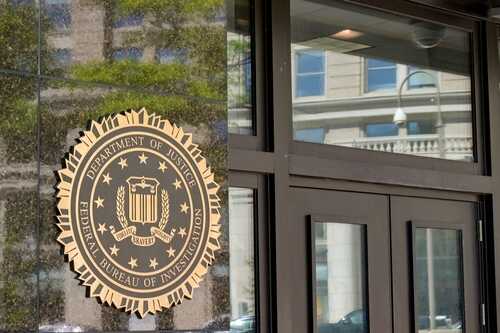
In the summer of 2022, a seismic event rattled the foundations of American politics when the FBI descended upon Mar-a-Lago, the Florida estate of President Donald Trump, seizing boxes of classified documents. The raid, stemming from Trump’s handling of sensitive materials after leaving office, was unprecedented. It followed a months-long dispute with the National Archives and Records Administration (NARA) and ignited a legal and political firestorm over the limits of executive authority that continues to burn three years later.
FBI raid on Trump’s Mar-a-lago home + @Madonna songs = Headline Playlist. #FallonTonight pic.twitter.com/EyAR8OLIYt
— The Tonight Show (@FallonTonight) August 11, 2022
From Investigation to Indefinite Postponement
The investigation, led by Special Counsel Jack Smith, culminated in a 37-count federal indictment in June 2023, charging Trump with violations of the Espionage Act and obstruction of justice. However, the path to trial has been anything but straightforward. The case, assigned to U.S. District Judge Aileen Cannon, saw its May 2024 trial date indefinitely postponed, with no new date set.
Following his victory in the 2024 presidential election, the dynamic shifted entirely. In 2025, Trump’s own Department of Justice filed a motion to dismiss the indictment against him, a move that has sparked outrage from critics who see it as a profound conflict of interest and an obstruction of justice.
A Nation Divided Over Accountability
Throughout the saga, Trump has vehemently denied any wrongdoing, framing the case as a politically motivated “witch hunt” designed to interfere with his political career. His supporters have largely embraced this narrative, viewing the investigation as a weaponization of the justice system by his opponents. Conversely, critics see the case as a fundamental test of the principle that no one is above the law, arguing that the alleged mishandling of national security secrets represents a grave offense. This deep-seated political and social fissure continues to strain the fabric of national discourse, with trust in federal institutions like the FBI and DOJ becoming intensely polarized. The unresolved case leaves behind a legacy of groundbreaking but unanswered questions regarding the post-presidency responsibilities of our nation’s leaders.