
Perfectly timed war bets topping $1 billion are raising a blunt question for ordinary Americans: who knew what, and when did they know it?
Quick Take
- Unusual bursts of trading on Polymarket and in oil futures appeared to anticipate major Iran-war developments within minutes or hours.
- Reports describe six-figure wins across dozens of accounts, including one trader profiting more than $500,000 on a leadership-removal bet.
- Public Citizen filed a complaint urging the CFTC to investigate suspected insider trading tied to the conflict and ceasefire timing.
- Experts cited in reports say the patterns look suspicious, but available public evidence still falls short of proving illegality.
Why “perfect timing” on war news sets off alarms
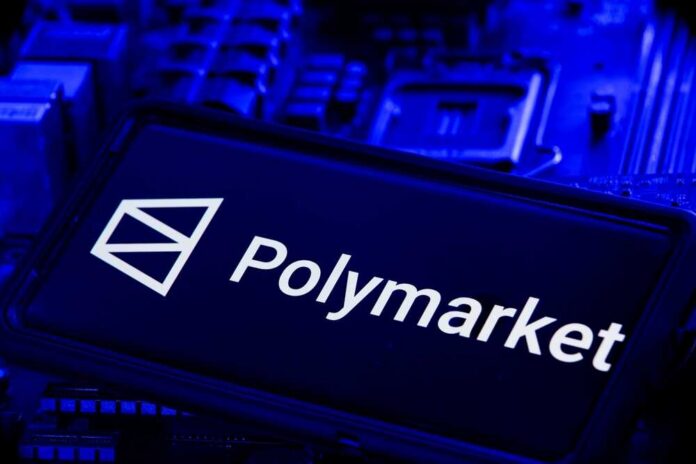
Trading tied to war and peace is politically explosive because it sits at the intersection of national security, energy prices, and public trust. Reports say bettors on the crypto-based prediction market Polymarket and traders in oil futures placed large wagers shortly before key U.S.-Iran war developments, then profited when events unfolded as predicted. The scale and timing sparked suspicion that someone may have traded on nonpublic information rather than skill or luck.
Several share the same basic pattern: large positions appear right before a headline moves markets. In late February, about 150 Polymarket accounts reportedly put roughly $855,000 behind a prediction that U.S. strikes would happen by Feb. 27, with 16 accounts clearing more than $100,000 each. Another reported bet was placed moments before news of Iran’s Supreme Leader Ayatollah Ali Khamenei’s removal, producing a large payout for one user.
The oil-futures angle: timing that hits household costs
Oil futures matter because they bleed into gasoline prices, shipping costs, and inflation—issues that have already battered family budgets for years. Reports describe a $580 million oil-futures bet placed about 15 minutes before President Donald Trump posted that talks were “productive,” a message that coincided with a drop in oil prices. Another wave of trading reportedly arrived the day Trump announced a ceasefire on April 7, including $950 million in oil-futures bets positioned for prices to fall.
Those reported numbers are so large that they naturally fuel public suspicion that powerful players are gaming a system that feels rigged against normal workers. It also notes that totals vary by source, including claims that the overall pre-news trading may have reached roughly $1.5 billion. That gap does not disprove the underlying pattern, but it does show the limits of what outside observers can confirm without subpoena power and a regulator-led investigation.
Polymarket, crypto anonymity, and the oversight gap
Polymarket-style prediction markets expanded beyond sports and elections into geopolitics, helped by crypto rails and wallet anonymity. That architecture can make it harder to identify who is behind suspicious trades, especially if funds move through multiple addresses. An academic study flagged more than 200,000 suspicious wallet pairs from 2024 to 2026 with a high win rate and large aggregate profits—statistics that, at minimum, argue for closer scrutiny of market integrity.
What regulators and watchdogs are saying—and what remains unproven
Public Citizen urged action by filing a complaint with the Commodity Futures Trading Commission, arguing the timing and size of several wagers strongly suggest insider knowledge. A UCLA law professor quoted in the reporting said the trading has hallmarks that warrant investigation, while also acknowledging an important caveat: unusual timing alone does not automatically prove a crime. As of the reporting summarized here, complaints and probes were discussed, but no public charges were described.
https://t.co/cMNiJdqdiw
Traders placed over $1 BILLION in perfectly timed bets on war. What is going on?— Billy Camou (@billycamou) April 18, 2026
For conservatives and many independents, the broader significance is less about any single trader and more about the recurring pattern of institutions lagging behind fast-moving technology. When war announcements, social media posts, and global energy markets collide with anonymous crypto betting, the public gets a front-row seat to volatility—and a nagging feeling that “connected” actors can profit while ordinary people absorb the risk. The next meaningful update will likely hinge on whether regulators can trace wallets to real-world insiders.
Sources:
Traders Placed Over $1 Billion in Perfectly Timed Bets on the Iran War. What is Going On?
US Senator: Insider Trading Behind $1.5B Trade Placed Before Trump Iran Update