
Brazilian President Lula da Silva invoked Hitler’s rise to power while warning global left-wing leaders that democracy’s erosion paves the way for authoritarianism, raising concerns about inflammatory rhetoric from foreign leaders seeking to influence international politics.
Story Snapshot
- Lula warned at Barcelona press conference that democratic “setbacks” lead to Hitler-like regimes
- Statement preceded April 18, 2026 summit of global progressive leaders targeting rising right-wing movements
- Brazilian president has repeatedly compared political opponents and policies to Hitler and Nazis since 2023
- Critics argue such comparisons dilute Holocaust gravity and reflect hyperbolic political rhetoric
Left-Wing Summit Preceded by Stark Warning
Brazilian President Luiz Inácio Lula da Silva declared during an April 17, 2026 joint news conference with Spanish Prime Minister Pedro Sánchez in Barcelona that democratic decline inevitably produces Hitler-like authoritarians. The statement came one day before a gathering of international progressive leaders aimed at countering what they termed “reactionary waves, authoritarians, and disinformation” threatening democratic institutions worldwide. Sánchez echoed concerns about attacks on democratic values, framing the summit as essential to preserving global governance norms against far-right electoral gains across Europe and Latin America.
Pattern of Inflammatory Historical Comparisons
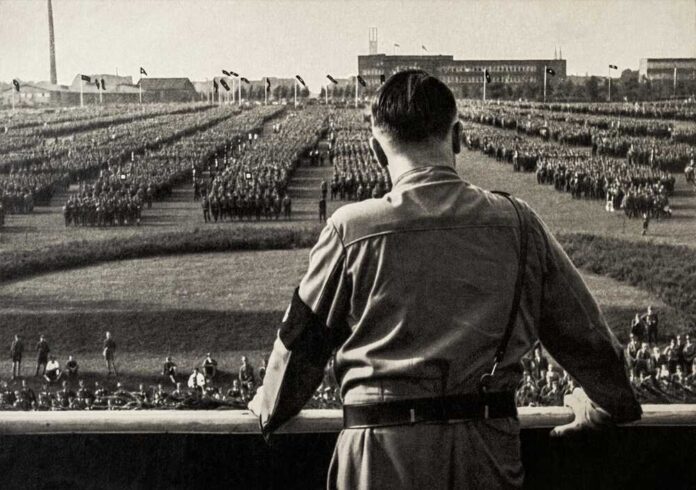
Lula’s Barcelona remarks continue a pattern established since his 2023 return to Brazil’s presidency. In January 2023 or 2024, he urged Brasília audiences to defend democracy against “states more authoritarian than those of Hitler and fascism.” On July 21, 2025, in Santiago, Chile, Lula equated contemporary political extremism to the Nazi Party’s 1930s ascent. Most controversially, at a 2024 African Union Summit, he compared Israel’s Gaza military operations to Hitler’s extermination of Jews, drawing international criticism including muted responses from the U.S. White House, which noted historical differences without direct condemnation.
Transatlantic Progressive Alliance Strategy
The Barcelona gathering represents a strategic transatlantic alignment between Latin American and European left-wing leaders responding to perceived authoritarian threats. Lula leverages his regional influence following Brazil’s polarized post-Bolsonaro political environment, where his predecessor faced accusations of anti-democratic actions and alleged coup attempts. Sánchez positions Spain as a European anchor for progressive coalitions battling far-right electoral momentum. The summit’s focus on strengthening democratic processes and combating disinformation reflects shared concerns among left-leaning governments about losing ground to nationalist and conservative movements gaining traction with voters frustrated by globalist policies and economic stagnation.
Raising Questions About Political Discourse Standards
Lula’s repeated Hitler invocations raise troubling questions about the state of international political discourse and whether such rhetoric serves democratic stability or undermines it. While supporters frame these warnings as prescient alerts against genuine fascist resurgence, critics observe that constant Nazi comparisons follow Godwin’s Law tendencies, cheapening Holocaust memory for partisan advantage. Americans across the political spectrum increasingly recognize that both domestic and foreign political elites deploy inflammatory language to consolidate power rather than address substantive governance failures. When foreign leaders gathering to coordinate progressive strategies rely on Hitler analogies to delegitimize political opponents, it suggests an international establishment more concerned with maintaining ideological control than tackling real challenges facing ordinary citizens struggling with inflation, border security, energy costs, and eroding opportunity.
The Barcelona summit’s outcome remains to be seen, but Lula’s framing reveals a global left increasingly willing to employ extreme historical comparisons against democratic movements that challenge their policy preferences. This approach mirrors concerns many Americans have about their own government officials who prioritize reelection and narrative control over substantive problem-solving. Whether such rhetoric genuinely protects democracy or simply vilifies legitimate political opposition represents a fundamental question both international observers and American voters must answer as they evaluate which leaders truly serve the people versus which serve entrenched power structures threatened by populist accountability demands.
Sources:
‘Hitler’ appears if democracy declines: Brazil’s Lula – BSS News
Hitler appears if democracy declines: Brazil’s President Lula – The Straits Times
Lula: democracy at risk during Nazi era – Agência Brasil
Jean-Pierre twice declines to decry Brazil president’s comparison of IDF, Nazis – JNS
Sanders: Under Lula, Brazil Aims High but Falls Short – J. The Jewish News of Northern California