

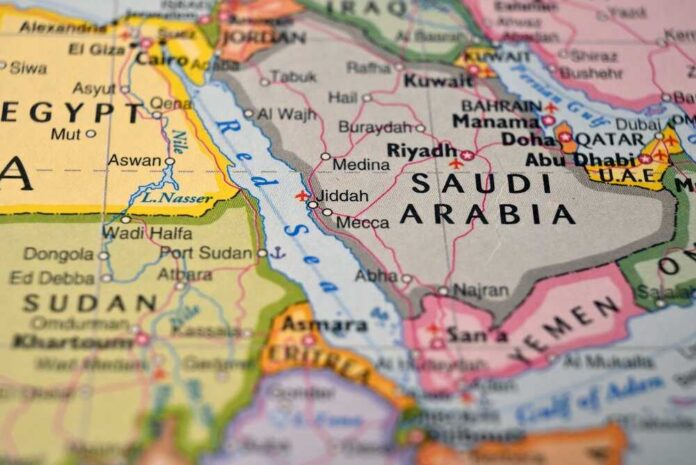
Iran-backed militants just declared a “total ban” on Israeli ships in the Red Sea, threatening a key trade artery and testing Western resolve where American families feel it most: at the fuel pump and in store prices.
Story Snapshot
- Yemen’s Houthis announced a complete prohibition on Israeli maritime traffic in the Red Sea [8][9].
- Houthi spokesmen previously vowed to target any vessel headed to Israeli ports, expanding risk zones well beyond Yemen [3].
- The group has seized Israeli-linked ships before, demonstrating real—if selective—enforcement capability [4].
- Analysts describe a gray-zone campaign causing shipping disruptions, though some attack claims lack independent verification [6][2].
Houthis Announce a ‘Total Ban’ on Israeli Shipping
Yemen’s Iranian-backed Houthi movement declared a “complete and total ban on Israeli maritime navigation” in the Red Sea, escalating a long-running campaign against Israel-linked shipping [8][9]. The statement follows months of threats and intermittent strikes, raising legal and security alarms across a corridor that carries vital energy and consumer goods. The announcement’s scope is sweeping, but effectiveness depends on enforcement at choke points like the Bab el-Mandeb Strait, where prior Houthi attacks have already forced costly route changes and heightened naval patrols [6].
Houthi military figures have repeatedly signaled intent to hit any ship bound for Israeli ports, stating, “We will target any ships heading to Israeli ports in the Mediterranean Sea in any area we are able to reach” [3]. That language widens risk beyond the Red Sea to broader sea lanes, creating uncertainty for carriers, insurers, and crews. Such declarations, even if unevenly enforced, pressure global shipping to divert around Africa, extend transit times, and pass higher costs to consumers already burdened by inflationary pressures [6].
Track Record: From Seizures to Disruptions, With Mixed Verification
Video evidence previously showed Houthi forces boarding and seizing an Israeli-linked cargo ship in the Red Sea, underscoring that threats are not merely rhetorical [4]. Research outlets have tallied dozens of attacks since late 2023 that disrupted shipping flows in varying degrees, amounting to economic pressure on Israel’s backers and a persistent hazard to international commerce [6]. However, some claimed strikes have not been independently verified, reflecting a pattern where propaganda, fog of war, and selective enforcement blur actual impact at sea [2].
This blend—grand declarations backed by seizures or sporadic strikes—fits the maritime “gray-zone” playbook described by regional analysts [6]. Armed groups without full control of sea lanes still shape behavior by raising perceived risk for targeted flags, companies, or destinations. Carriers and insurers often react to perceived rather than proven danger, meaning even disputed claims can redirect traffic and inflate shipping premiums. The result is a tax on trade that households ultimately pay through higher energy and goods prices [6].
Why It Matters to American Families and U.S. Policy
Red Sea instability threatens to nudge fuel and freight costs upward, with downstream effects on groceries, hardware, and household items. While the United States Navy and partners can protect key routes, persistent drone and missile threats force expensive convoying, rerouting, or delays. Conservative priorities—secure borders, strong deterrence, and economic stability—are implicated when an Iran-aligned militia asserts de facto control over a critical shipping lane, undermining lawful commerce and allied security [6].
Houthi Red Sea ban targets Israeli ships as Yemen’s rebels claim missile strikes on Israel amid renewed regional fighting.
— mudassarali (@mudassa35009702) June 8, 2026
The Trump administration’s task is twofold: deter aggression without open-ended commitments, and shield Americans from price shocks. Clear rules of engagement, targeted sanctions, interdictions of weapons pipelines, and tighter coordination with regional partners can raise the cost of Houthi attacks. Meanwhile, domestic energy strength—robust production, resilient refining, and streamlined permitting—helps cushion families from price spikes that adversaries hope to impose through maritime coercion [6].
What to Watch Next: Enforcement vs. Rhetoric
Shipping firms, insurers, and naval trackers will watch whether the “total ban” translates into consistent interdictions or remains a high-impact information operation with selective strikes [8][9]. If enforcement intensifies near Bab el-Mandeb or stretches farther into the Arabian Sea and Mediterranean-linked routes, costs and risks will rise. If verification remains patchy and escorts succeed, disruptions could plateau. Either way, continued vigilance is essential to defend lawful navigation, support allies, and protect American consumers [2][6].
Sources:
[2] YouTube – Yemen’s Houthis target Israeli ships: Group closely monitor Red Sea …
[3] YouTube – Houthis Claim Strikes On Ship Linked To Israel In Red Sea And …
[6] Web – Houthis to Target Ships in Red Sea that Travel to Israeli Ports in …
[8] Web – Houthi ban US vessels from Red Sea in response to Yemen attacks
[9] Web – Yemen’s Iran-backed Houthis ban Israeli ships from Red Sea