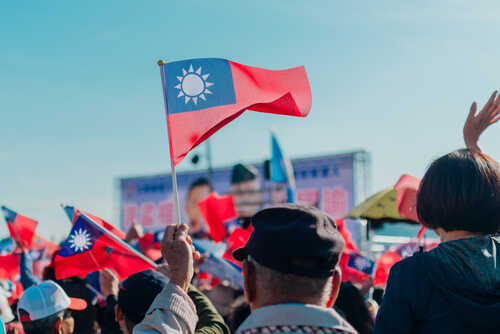
Taiwan’s voters just delivered a stunning rebuke to the ruling party’s recall campaign, protecting lawmakers seen as friendlier to China and throwing the political establishment into turmoil.
At a Glance
- Taiwanese voters overwhelmingly rejected a mass recall of opposition lawmakers.
- The failed recall is a major setback for the ruling Democratic Progressive Party (DPP).
- The result highlights growing public fatigue with partisan recall tactics and anti-China rhetoric.
- The China-friendly Kuomintang (KMT) and its allies now hold a firmer grip on legislative power.
Voters Reject DPP’s Power Grab, KMT Legislators Stay Put
On July 26, 2025, Taiwan’s Central Election Commission confirmed that not a single KMT lawmaker lost their seat in an aggressive recall campaign orchestrated by civic groups aligned with the Democratic Progressive Party. The DPP’s brazen attempt to flip the legislature by targeting 31 opposition legislators was flatly rejected. Voters turned out, signed petitions, and made their voices heard—and their message was as clear as day: enough with the political games and manufactured hysteria about “Chinese interference.” Instead of gaining ground, the DPP suffered a humiliating defeat, exposing the public’s exhaustion with endless partisan warfare.
Taiwanese voters reject motion to recall opposition lawmakers https://t.co/A7Yf7xBwrM
— FT China (@ftchina) July 26, 2025
This recall wasn’t some isolated case of removing a bad actor. It was a coordinated campaign to overturn the will of the people and rig the legislative balance in favor of the DPP’s agenda. The move backfired, and now KMT and its centrist allies hold a firmer grip over the legislature, leaving the DPP scrambling for answers. The voting public, it turns out, has little patience for using recall powers as a bludgeon in a never-ending turf war.
Recall Defeat Signals Public Fatigue With Political Tactics
The DPP, which has painted itself as the guardian of Taiwanese sovereignty and opponent of Beijing, tried to frame the recall as a battle against “pro-China forces.” In reality, the campaign was exposed as a cynical power grab. Both the KMT and Taiwan People’s Party slammed the recall as cheap political theater. This isn’t a case of the people standing up to foreign interference, as the DPP narrative would have you believe—it’s the people rejecting manufactured crisis politics.
The numbers tell the whole story. Not a single one of the 24 KMT lawmakers lost their seat. The DPP’s defeat was so severe that party leaders, including Secretary-General Lin Yu-chang, were forced to issue statements of humility and “self-reflection.” That’s what happens when you underestimate the intelligence and patience of your own citizens. Even the Mainland Affairs Council’s last-ditch warnings of “visible evidence” of Chinese interference fell flat with a public tired of smoke and mirrors.
What This Means for Taiwan’s Political Future
The DPP’s failure to unseat opposition lawmakers is more than an embarrassment—it’s a sign of shifting public mood. The normalization of mass recall campaigns, which experts have warned could destabilize governance, now seems less likely after this resounding defeat. The KMT’s strengthened position means legislative gridlock is here to stay, with the DPP’s agenda effectively stalled.
Voters have sent a loud signal: stop wasting time and taxpayer dollars on endless partisan brawls and get back to real governance. The KMT and its TPP allies now control the legislative agenda. If the DPP wants to regain public trust, it will need to listen to the people’s demand for substance over spectacle. As for future recall efforts, civic groups will think twice before launching another large-scale campaign after seeing these results.