
British Prime Minister Keir Starmer faces a political firestorm as a sacked civil servant prepares to publicly challenge the PM’s account of a security vetting scandal that raises alarming questions about who’s actually running the government.
Story Snapshot
- Starmer appointed Lord Peter Mandelson as US ambassador despite failed security vetting, keeping Parliament in the dark for seven months
- PM blames sacked Foreign Office head Sir Olly Robbins for withholding information, but Robbins is set to reveal he faced “pressure” to push the appointment through
- Opposition parties consider contempt motion as two MPs were ejected from Commons for accusing Starmer of lying
- Sources warn the scandal “could yet cost him his leadership” as emergency debate unfolds
Security Vetting Override Exposes Government Dysfunction
Lord Peter Mandelson received appointment as Britain’s ambassador to Washington in September 2025 despite formal recommendations from the UK Security Vetting body that he should not receive clearance. The Foreign Office overruled its own security experts, applied unspecified “safeguards,” and proceeded with the controversial posting. Mandelson was later dismissed, but the vetting failure remained hidden from Parliament for approximately seven months. This pattern mirrors the kind of accountability-free governance that frustrates citizens across the political spectrum who believe elites operate by different rules than ordinary people subject to rigorous background checks for far less sensitive positions.
PM’s Blame-Shifting Defense Faces Immediate Challenge
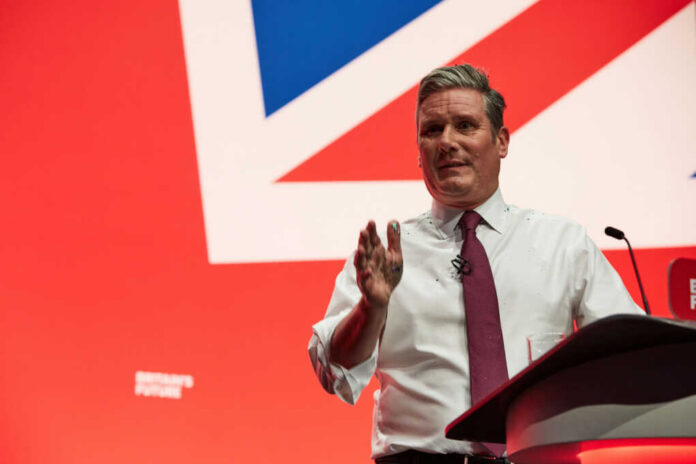
Starmer delivered a high-stakes statement to Parliament on April 20, calling it “staggering” and “unbelievable” that he wasn’t informed of the security concerns. He squarely blamed Sir Olly Robbins, whom he sacked as Foreign Office head, for deliberately withholding critical information. The PM insisted he would have cancelled Mandelson’s appointment had he known about the vetting failure. However, Starmer refused to apologize and denied misleading Parliament, despite acknowledging MPs should have been told. This defensive posture raises obvious questions: if the information was so critical, why wasn’t the Prime Minister asking the right questions before making such a sensitive appointment?
Civil Servant Poised to Contradict Prime Minister’s Account
Sir Olly Robbins is scheduled to appear before the Foreign Affairs Committee on April 21, where The Times reports he will reveal he never saw the formal security vetting recommendation and that “pressure existed” to make the Mandelson appointment happen. A Whitehall source indicated Robbins will “not hold back” in defending his actions, setting up a direct contradiction of the Prime Minister’s narrative. This public showdown between political leadership and the civil service exposes the dysfunction at the heart of Britain’s government. Former Cabinet Secretary Gus O’Donnell acknowledged the damage, writing that rebuilding trust with civil service heads must become a “top priority” for Starmer and new Cabinet Secretary Dame Antonia Romeo.
Opposition Smells Blood as Parliamentary Crisis Escalates
The political fallout intensified rapidly as Conservative leader Kemi Badenoch secured an emergency debate for April 21, and opposition parties began exploring a formal contempt motion against the Prime Minister. Two MPs, Reform UK’s Lee Anderson and Your Party’s Zarah Sultana, were physically ejected from the Commons chamber for directly accusing Starmer of lying. The opposition’s strategy has evolved from alleging a deliberate cover-up to questioning Starmer’s basic competence and judgment. Critics now suggest the PM was “deliberately incurious” about security checks, with some claiming “Whitehall is running rings” around him. These accusations strike at fundamental concerns about whether elected representatives actually control the government or merely provide democratic window-dressing for unaccountable bureaucrats.
Documents reportedly show Starmer received advice that Mandelson should undergo vetting before appointment, contradicting his claims of total ignorance. The Independent reported concerns about the appointment as early as September 2025, suggesting information was circulating well before Starmer admits knowing about it. Observers noted the Prime Minister appeared “sweaty” and “under pressure” during his Monday statement, with sources inside government warning the scandal could cost him his leadership. Whether Starmer was genuinely kept in the dark or simply chose not to ask hard questions about a politically convenient appointment, the outcome remains the same: a fundamental breach of security protocols that undermines public confidence in government accountability and the rule of law that should apply equally to everyone.