

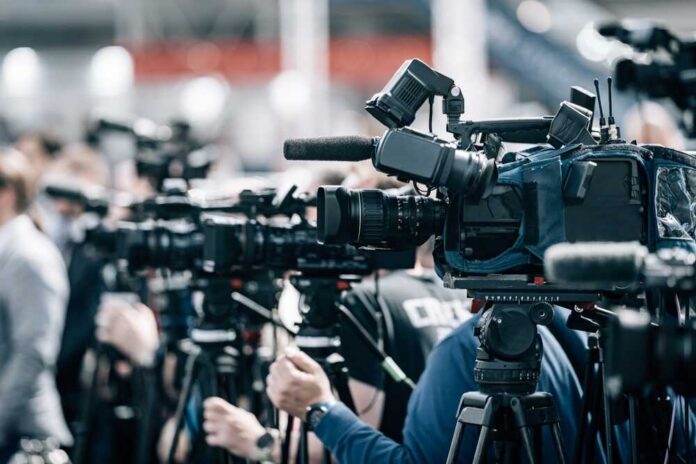
A new European rulebook tells sports camera crews what they can and cannot show when women compete.
Story Snapshot
- A 23-page guide from European broadcasters orders crews to avoid “sexualized” shots of women athletes.
- The rules discourage low angles, close-ups of body parts, and slow-motion clips that do not serve a clear sports purpose.
- Officials say the goal is “respectful” coverage, but critics see vague standards and creeping censorship.
- The plan fits a wider push in global sports to police language, images, and camera work in the name of gender equality.
New European Guidelines Tell Cameras Where They Can Point
The European Broadcasting Union, together with European Athletics, has released a formal 23-page document called “Raising the Bar: Guidelines for respectful media coverage in women’s athletics.” It lays out detailed rules for how camera operators should film women in track and field events. The guide says the goal is to protect “dignity” and stop the “sexualization” of women through certain camera angles and editing choices. For American viewers used to free media, this is another example of Europe writing speech and images into rulebooks.
The guide focuses on events like high jump, pole vault, long jump, and sprint races, where cameras can easily capture tight or low shots of bodies. It warns that low angles from underneath or behind an athlete have “a high chance of generating compromising images” and should be avoided. It also tells crews not to linger on close-ups of parts such as chest or buttocks, and instead to favor wide shots that show the entire movement, from run-up to landing. These “positive angles” are shown in diagrams, while “negative angles” are marked as off-limits.
Slow Motion, “Compromising Images,” And Vague Rules
One of the strongest parts of the document targets slow-motion replays that “serve no sporting purpose.” The authors argue that such clips can be taken out of context and shared online in “inappropriate ways,” so replay should only be used to explain technique or tell an important part of the story. At the same time, the guide insists “this is not a list of restrictions,” and claims that avoiding these shots will cause “no loss of storytelling or visual quality.” Critics point out that when you say certain angles should never be used, you are in fact restricting artistic choices.
The language in the guide leans heavily on subjective terms. Camera operators are warned about “compromising images,” “uncomfortable” angles, and “unflattering” views. But there are no clear technical measures, like camera height or distance, that define exactly when a shot crosses the line. That means enforcement will depend on how each director or regulator reads these soft rules. For conservatives who value clear law and limited government, vague standards like this are a red flag, because they often grow into broader bans over time.
Athlete Input And Social Media Backlash
Supporters say the rules came from athlete experience, not just activist theory. The European Broadcasting Union notes that Olympic medallists Blanka Vlašić, Holly Bradshaw, and Ivana Španović partnered in drafting the guide, sharing times when camera placement felt intrusive or broke their focus. Bradshaw has said certain camera positions affected her concentration and made her aware of equipment in “uncomfortable places.” From that angle, the guidelines are pitched as a way to respect the people on the field while still showing great competition.
Once the document hit social media, though, reaction was sharp. Coverage from outlets like OutKick described feeds full of mockery and anger, with users saying the rules amount to censorship in the name of “woke” gender politics. Many critics argue that sports broadcasting already has tools to deal with truly crude shots, and that extra layers of rules will only scare directors into safe, dull coverage. Some also ask why the document focuses on women’s athletics, saying this suggests women need special protection instead of equal treatment as serious competitors.
Part Of A Bigger Push To Police Sports Coverage
This European guide does not stand alone. It fits into a growing trend where global sports bodies publish rulebooks for how media must talk about and show athletes, especially women. The International Olympic Committee’s Portrayal Guidelines tell broadcasters to “think sport appeal, not sex appeal” and to avoid lingering “reveal” shots that move from head to toe. The European Broadcasting Union itself previously issued a “Reimagining Sport” report that pushed gender-balancing in coverage and urged networks to assign their best talent to women’s events.
The European Broadcasting Union (EBU), working with European Athletics, has introduced new broadcasting guidelines aimed at reducing the sexualization of women athletes during TV coverage.
– Avoid low-angle camera shots that unnecessarily focus on an athlete’s chest, buttocks,… pic.twitter.com/oLjq0SmEMM
— Pirat_Nation 🔴 (@Pirat_Nation) July 14, 2026
On paper, many of these ideas sound harmless: focus on performance, drop cheap crotch shots, treat women’s sports as serious. But for a conservative audience used to watching regulators grow their reach, there is another concern. The European Broadcasting Union is not only a trade group; European court documents describe it as a body that acquires rights jointly in ways that can “restrict or even eliminate competition.” Now that same organization is moving deeper into directing editorial content, telling directors which shots are acceptable on air. When big institutions write more rules for speech and images, there is always a risk those rules drift from fairness into control.
Sources:
zerohedge.com, ebu.ch, timesofindia.indiatimes.com, facebook.com, eurovision.com, linkedin.com, politico.eu, ynetnews.com