
As war rattles the Gulf, Qatar’s own finance chief is warning that the “full-fledged” economic shock is still coming — and American families will not be spared.
Story Snapshot
- Qatar’s finance minister says the Iran war’s real economic impact will hit “in one month, two months,” calling current price spikes only the “tip of the iceberg.” [2][4]
- He warns the crisis will move from high prices to actual shortages of energy, fertilizer, and key industrial gases, with global food production at risk. [1][2]
- Qatar itself faces damaged gas infrastructure and a projected economic contraction, yet claims its fiscal buffers can absorb the shock for at least a year. [2][4]
- These warnings expose how years of globalist energy dependence and fragile supply chains can quickly threaten American prosperity and security.
War, Chokepoints, and a Coming Shock to Energy Supply
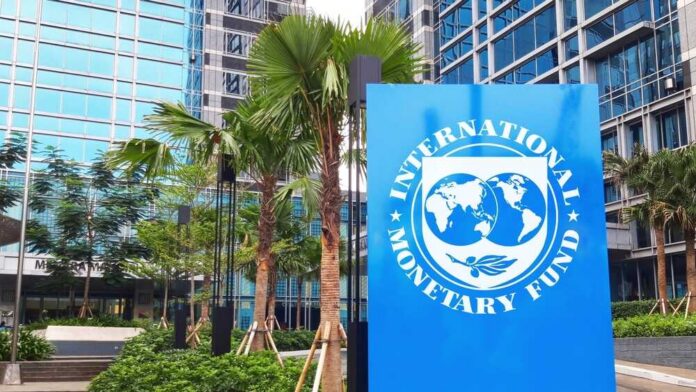
Qatar’s finance minister Ali Ahmed Al-Kuwari told an International Monetary Fund forum in Washington that the world is only seeing the “tip of the iceberg” from the Iran war’s economic fallout, warning that a “full-fledged impact is coming, and it is not far away.” He predicted that within “one month, two months” the global economy will feel a “huge economic impact,” stressing that the problem will soon be energy availability itself, not just painful prices on a screen. [2][4]
These comments came as fighting and attacks around the Strait of Hormuz, one of the planet’s most critical shipping chokepoints, unsettled global markets and disrupted regional logistics. Reports note that Qatar has already suffered damage to vital liquefied natural gas facilities and faces interruptions to exports and transportation routes. [4] When a senior official from one of the world’s richest gas exporters openly warns that supply itself may not be “sourceable,” it signals deep concern about how long key sea lanes can remain secure. [2][4]
From Higher Bills to Actual Shortages: Fertilizer, Food, and Industry
Al-Kuwari did not limit his warning to gasoline and heating bills. He linked the conflict to possible shortages in gas, fertilizer, and helium, cautioning that disrupted fertilizer production and shipping could cause farmers around the world to miss planting seasons and trigger a broader food crisis. [1][2] Fertilizer is heavily dependent on natural gas, so when Gulf energy supply is at risk, the shock can cascade from tankers to fields to grocery-store shelves far from the Middle East, including in rural America.
Other Qatari officials and regional energy leaders have echoed the alarm. Reporting on Qatar’s energy minister, Saad al-Kaabi, describes his warning that if Gulf exporters were forced to shut production, oil prices could surge toward one hundred fifty dollars per barrel and “bring down the economies of the world.” [3][6] While that is a scenario, not a certainty, it underscores how concentrated and fragile global energy flows have become. Years of policy attacks on traditional energy and an overconfident push toward intermittent sources leave consumers exposed when real-world crises hit. [1][2][3]
Qatar’s Buffers vs. Global Vulnerability
Even as he sounded the alarm for the world, Al-Kuwari told audiences that Qatar itself is entering this phase from a “position of strength,” backed by strong reserves and a conservative pre-war budget. [4] He said managing Qatar’s fiscal position is “fine,” claiming the country can go six months without drawing on its sovereign wealth fund and potentially a full year by tightening budgets, borrowing if needed, and delaying investment projects. [2][4] That mix of warning and reassurance reveals how differently elites and ordinary consumers experience the same crisis.
Analysts at a major American bank reportedly project that Qatar’s economy could contract around nine percent this year after Iranian missile strikes damaged a giant gas facility and cut production by roughly seventeen percent. [2] Yet even with that hit, Qatari officials emphasize their “shock stability fund” and macroeconomic resilience. [2][4] Most families in the United States do not have a shock fund and cannot simply “reprioritize expenditures” if fuel, food, and fertilizer-driven prices spike again.
Why These Warnings Matter for American Households
The evidence so far is primarily forward-looking: officials are warning of what could happen in the next few months, not documenting confirmed global shortages today. [1][2][4] That means their statements must be treated as serious risk assessments, not guarantees. But even if the exact timeline slips, the core message is clear. When conflict threatens energy flows out of the Gulf, a globalized system built on just-in-time shipping and concentrated production leaves the United States exposed to price spikes and potential disruptions in food and industrial supply chains. [1][2][4]
For conservative Americans who lived through the last round of inflation, supply-chain chaos, and energy-policy blunders, this should be a wake-up call rather than a cause for panic. A wealthy gas state believes the shock could be big enough to force it to cut projects and tighten belts. [2][4] The United States must respond not with more dependence on unstable regions or climate-show conferences, but with common-sense policies: secure domestic production, protect critical shipping lanes, rebuild strategic reserves responsibly, and put American families ahead of globalist fantasies.
Sources:
[1] Web – Qatar warns wider economic fallout from Iran war still ahead if …
[2] Web – Qatar warns ‘full-fledged’ Iran war impact about to hit global economy
[3] YouTube – Iran war could “bring down the economies of the world …
[4] Web – Iran war’s full economic impact nearing, Qatar finance minister says
[6] Web – Economic impact of the 2026 Iran war – Wikipedia