President Trump pulled the plug on high-level Iran negotiations just hours before his envoys were set to board an 18-hour flight to Pakistan, declaring Iran’s regime too chaotic to negotiate with and demanding they pick up the phone instead.
Story Snapshot
- Trump canceled Steve Witkoff and Jared Kushner’s Pakistan trip on April 25, 2026, citing “wasted time” and Iranian leadership infighting
- Decision came after over 50 days of U.S.-Israeli bombing during Operation Epic Fury, with Iran refusing American terms
- President asserted U.S. holds “all the cards” and prefers telephone diplomacy over lengthy international travel
- Second round of Pakistan-hosted negotiations scrapped after first round with VP Vance yielded no deal
Trump Cuts Short Diplomatic Theater
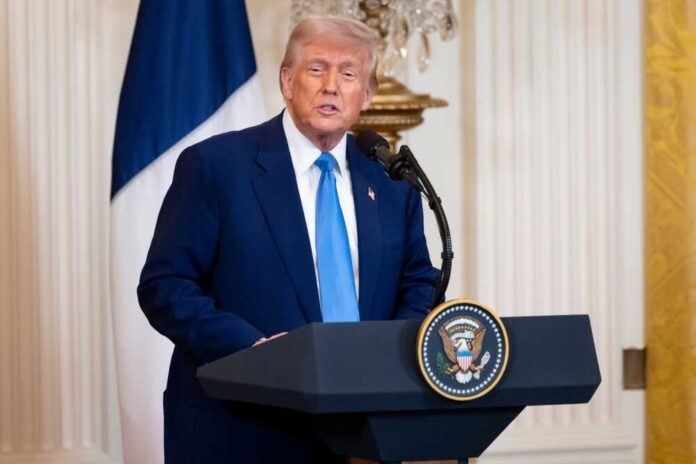
President Donald Trump announced on April 25, 2026, via Truth Social that he was canceling a planned trip by Special Envoy Steve Witkoff and Senior Advisor Jared Kushner to Islamabad for Iran negotiations. The envoys were scheduled to depart within hours for the second round of indirect talks hosted by Pakistan. Trump confirmed the decision in a Fox News interview, stating “too much time wasted” on ineffective discussions and adding “they can call” if Iran wants serious negotiations.
The cancellation marks the second scrapped diplomatic mission in days. Earlier in the week, Vice President JD Vance’s follow-up trip was canceled after Iran rejected U.S. sequencing demands and terms. The White House had announced the Witkoff-Kushner trip just one day earlier on April 24, signaling what appeared to be rapid diplomatic movement. Iranian Foreign Minister Abbas Araghchi had arrived in Islamabad, met with Pakistani Prime Minister Shehbaz Sharif, then departed before any U.S. delegation could convene.
Negotiations Stalled Amid Operation Epic Fury
The talks occur within the broader context of Operation Epic Fury, a sustained U.S. and Israeli bombing campaign against Iran that has exceeded 50 days. The first round of negotiations on April 11 in Pakistan included VP Vance, Witkoff, and Kushner but produced no agreement. Pakistan served as neutral intermediary due to its diplomatic relationships with both Washington and Tehran. The stalled negotiations center on ceasefire terms and broader regional stability, including concerns about Strait of Hormuz disruptions affecting global energy markets.
Trump’s decision reflects frustration with what his administration views as Iranian stonewalling and internal regime chaos. The President emphasized U.S. leverage, asserting “we have all the cards” in any potential deal. His preference for telephone diplomacy over sending senior officials on 18-hour flights signals a harder negotiating posture. This approach contrasts sharply with traditional diplomatic protocols that emphasize face-to-face engagement, particularly in high-stakes regional conflicts. The administration’s stance suggests unwillingness to invest time and resources without Iranian concessions upfront.
Power Dynamics and Strategic Calculations
The President’s abrupt cancellation demonstrates a calculated show of strength amid what sources describe as Iranian leadership infighting and confusion. By refusing to dispatch envoys, Trump signals that the United States will not chase negotiations with an adversary it perceives as weakened. This tactic aims to pressure Iran’s regime to make direct contact on American terms rather than through intermediary channels. The move also reduces Pakistan’s diplomatic role, potentially isolating Tehran further while the bombing campaign continues to degrade Iranian military capabilities and infrastructure.
Short-term implications include heightened pressure on Iran’s regime as bombing operations persist without diplomatic relief. The cancellation may force Iranian leadership to choose between direct capitulation to U.S. terms or prolonged conflict amid internal turmoil. Long-term consequences remain uncertain; if Trump’s leverage strategy succeeds, it could yield a favorable deal reinforcing his “peace through strength” doctrine. Alternatively, Iran might perceive the cancellation as diplomatic humiliation, hardening resistance and extending regional instability. Energy markets, Middle Eastern populations, and U.S. allies all face continued risks as negotiations stall while military operations intensify.
Sources:
Trump cancels envoys’ trip to Pakistan for Iran talks – Axios
Iran-Israel War Live Updates – Jerusalem Post
Trump canceled Kushner, Witkoff trip to Pakistan for Iran talks – CBS News
Trump abruptly cancels Kushner-Witkoff Pakistan trip – Politico