An Israeli soldier’s sledgehammer attack on a sacred crucifix in a Christian Lebanese village exposes the fragility of religious tolerance amid endless Middle East conflicts, as even swift replacements fail to heal deep wounds.
Story Snapshot
- Israeli Defense Forces soldier desecrated a roadside Jesus Christ statue in Debel, southern Lebanon, sparking global Christian outrage via social media photo.
- IDF quickly replaced the crucifix in coordination with locals but faced rejection as “insufficient” from village leaders.
- Two soldiers received 30-day detentions and combat removal; six others summoned for discipline after IDF Chief of Staff labeled it a “moral failure.”
- Cardinal Pierbattista Pizzaballa condemned the act as a “grave affront to the Christian faith,” highlighting the cross’s enduring symbolism.
- Locals plan a larger Italian cross, viewing IDF apology as an insult amid ongoing Israel-Hezbollah tensions.
Incident Unfolds in Debel
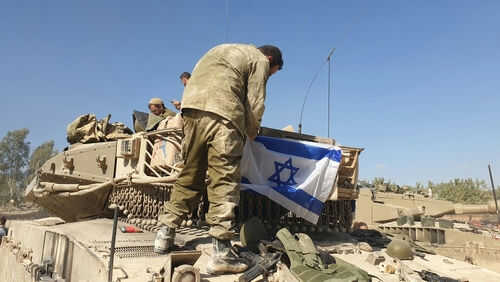
During IDF operations against Hezbollah in southern Lebanon, a soldier struck a roadside crucifix depicting Jesus Christ with a sledgehammer in the predominantly Catholic village of Debel. The photo circulated widely on social media before April 20, 2026, igniting outrage among global Christians. Debel, near the Israeli border, hosts this religious symbol central to the community’s identity. The act occurred amid heightened hostilities, where religious sites often become flashpoints. Church leaders swiftly condemned the destruction, emphasizing its violation of sacred traditions.
IDF Responds with Replacement and Punishment
On April 21, 2026, the IDF announced it replaced the desecrated statue in full coordination with Debel residents. The military expressed deep regret, punished two soldiers with 30 days detention and removal from combat units, and summoned six others for review. IDF Chief of Staff Herzi Halevi called the incident a moral failure contradicting core values. Northern Command reinforced protocols for handling religious symbols. Prime Minister Benjamin Netanyahu stated he was stunned and saddened by the event.
Local Rejection Deepens Tensions
Debel local official Joseph Attieh rejected the IDF’s apology and replacement as insufficient and offensive, describing it as a wound in the community’s heart. Residents plan to install a larger crucifix with aid from an Italian envoy carrying humanitarian supplies. Some reports suggest Italian UNIFIL troops may have assisted in the installation, not solely the IDF. Cardinal Pierbattista Pizzaballa, Latin Patriarch of Jerusalem, decried the desecration as a grave affront, citing the cross’s unassailable role as a symbol of hope amid violence.
Broader Implications for Religious Freedom
The incident strains relations between the IDF and Lebanese Christians, amplifying anti-Israel sentiment in the region. Short-term, it damages military morale and local trust; long-term, it underscores challenges in respecting holy sites during conflict. Both sides acknowledge the cross’s profound symbolism, yet locals demand more than material fixes. This event tests military ethics in war zones, fueling narratives in the Israel-Lebanon conflict. Americans watching from afar see echoes of elite disregard for traditional faith values.
Sources:
IDF Replaces Crucifix in Lebanon
IDF replaces crucifix after outrage in Christian village
IDF Replaces Desecrated Christ Statue in Southern Lebanon