
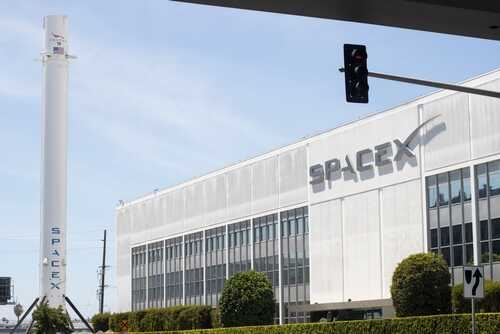
SpaceX’s bid to nearly double launches from California’s Vandenberg Space Force Base has sparked a high-stakes clash with the state’s Coastal Commission, pitting environmental oversight against federal priorities and raising questions about who controls America’s space future.
Story Snapshot
- SpaceX’s push to nearly double launches from Vandenberg faces opposition from the California Coastal Commission over environmental concerns.
- The regulatory clash pits federal priorities and private enterprise against state oversight and environmental activism.
- California’s intervention could set a national precedent for state control over high-cadence launches at federal coastal installations.
- Local communities and businesses stand to gain from increased launches, while environmental activists demand stricter controls.
SpaceX Expansion Collides with California’s Regulatory Wall
In early 2024, SpaceX requested federal approval to nearly double its annual launches from California’s Vandenberg Space Force Base, seeking to increase from 51 to 95 launches each year. This expansion would make Vandenberg one of the world’s busiest spaceports, solidifying SpaceX’s role in commercial spaceflight and supporting national security. However, the California Coastal Commission has opposed the expansion, citing risks to wildlife, noise pollution, and insufficient state oversight. The result: a direct confrontation between federal ambitions, private enterprise, and state environmental authorities.
The Coastal Commission’s mandate to safeguard coastal resources has led to heightened scrutiny of SpaceX’s operations. Complaints about sonic booms, wildlife disturbances, and coastal ecosystem impacts have intensified, despite the base’s long-standing role as a critical launch site. Environmental activists and local groups argue that unchecked expansion threatens sensitive habitats for marine mammals and birds. Critics contend that California’s intervention risks undermining technological progress and national priorities in space exploration, setting a precedent for state interference in federally controlled domains.
I am glad both @SpaceX and the @SpaceForceDoD are pushing back against the biased coastal commission.
SpaceX, California Clash Over Proposed Rocket Launch Expansion https://t.co/CyVsfwpmzE
— Accipiter striatus (@PeterGordon_CBP) August 9, 2025
Federal-State Power Struggle Risks National Security and Economic Growth
The regulatory gridlock at Vandenberg exposes a power struggle between federal authority and state oversight. The base, managed by the U.S. Space Force, plays a pivotal role in both military and commercial missions. SpaceX is the dominant user, with the Coastal Commission insisting on imposing additional environmental conditions and mitigation requirements—despite limited jurisdiction over federal installations. This tug-of-war has raised questions about America’s momentum in the global space race and could jeopardize jobs, technological leadership, and national security operations that rely on timely and frequent launches.
While environmental protection is important, many local residents and business leaders see the expansion as a boon for the regional economy—bringing jobs, new infrastructure, and increased logistical activity. SpaceX’s presence has already transformed the area, with booster recoveries and growing demand for skilled labor. The state’s regulatory stance threatens to delay launches, drive up costs, and potentially push future investments out of California. For those who value American progress, the dispute raises concerns about whether state agencies should have the power to stall or block projects of national significance.
Broader Implications for Space Policy and Conservative Values
This regulatory standoff is more than a local skirmish—it could set a precedent for how much control states wield over federally managed spaceports and commercial operations vital to American interests. If California succeeds in asserting greater authority, other states may follow suit, leading to a patchwork of conflicting rules and delays that could stifle innovation. For those frustrated by government overreach, this battle underscores the risks of allowing commissions to dictate terms to private industry and federal agencies alike. The outcome will shape not only the future of spaceport governance but also the balance between environmental regulation and the core principles of individual liberty, economic growth, and national strength.
Despite ongoing negotiations, SpaceX has not slowed its operations, while the Coastal Commission remains firm in its objections. The next launches are scheduled for August 11 and 12, 2025, even as the regulatory review drags on. With both sides entrenched, the Vandenberg dispute will continue to test the limits of state power, federal authority, and the nation’s resolve to lead in space.
Sources:
Vandenberg SFB Launch Schedule
Vandenberg SFB – Space Launch Schedule
Launch Schedule – Spaceflight Now