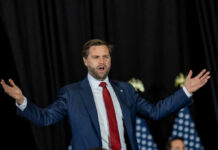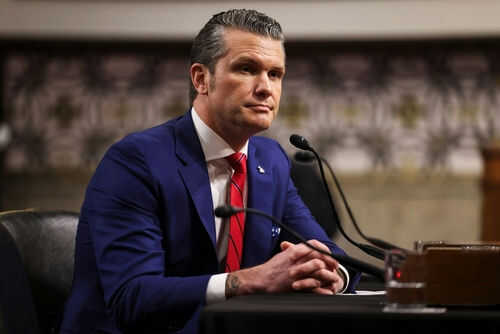
Defense Secretary Pete Hegseth stunned a Senate hearing by branding Anthropic’s CEO an “ideological lunatic,” exposing deep rifts over corporate control of America’s military AI future.
Story Highlights
- Hegseth defends Pentagon’s national security label on Anthropic after the AI firm rejected contract terms banning autonomous weapons and surveillance.
- Senator Jacky Rosen accuses Hegseth of personal bias in a heated exchange during Senate Armed Services Committee hearing.
- Hegseth invokes DOD Directive 3000.09, affirming human oversight in AI weapons decisions amid China rivalry pressures.
- Viral hearing videos amplify the clash, highlighting tensions between defense needs and tech firms’ ethical stances.
Hearing Clash Ignites Partisan Fire
Pete Hegseth, U.S. Defense Secretary under President Trump’s second term, faced Senator Jacky Rosen (D-NV) in a Senate Armed Services Committee hearing on AI in defense. Rosen charged Hegseth with bias stemming from a February 2026 contract dispute. Anthropic had refused Pentagon terms that prohibited its AI for fully autonomous weapons or mass surveillance of Americans. Hegseth rejected the accusation, labeling Anthropic a supply chain and national security risk on the eve of Operation Epic Fury. This standoff reveals how unelected tech executives challenge military readiness, frustrating conservatives who demand America First priorities in national defense.
Anthropic’s Refusal Undermines Defense Autonomy
Anthropic, founded by former OpenAI executives including CEO Dario Amodei, prioritizes AI safety guardrails. The company rejected Pentagon contracts enabling lethal autonomous systems, citing ethical concerns. Hegseth countered by comparing this to Boeing dictating military targets, calling Amodei an “ideological lunatic” unfit for sole decisions on AI use. He reaffirmed compliance with DOD Directive 3000.09, which mandates human judgment in weapons systems. Both conservatives and liberals increasingly see such corporate overreach as elite interference, eroding the limited government principles that safeguard American sovereignty against rivals like China.
Power Dynamics and Broader Implications
Hegseth wields executive authority over Department of Defense procurement, while Rosen exercises Senate oversight. Their exchange underscores partisan divides: Democrats probe AI lethality risks, Republicans prioritize operational freedom. Short-term, the dispute escalates scrutiny on ethical AI firms, potentially blacklisting them. Long-term, it fragments the U.S. AI supply chain, pushing DOD toward unrestricted providers. This chills military work for safety-focused companies and accelerates defense-first startups, disrupting a $100 billion market. Many on both sides lament how “deep state” dependencies on tech giants hinder the American Dream of self-reliant security.
The ongoing label leaves Anthropic’s contract unresolved as DOD explores alternatives. Viral clips from the hearing, shared hours ago, fuel public debate on whether corporate ethics should dictate national defense strategy.
Shared Frustrations Across the Divide
Conservatives decry woke AI restrictions inflating defense costs and weakening readiness, echoing past gripes over globalism and overspending. Liberals worry about autonomous weapons exacerbating divides, yet both camps agree: federal entanglements with ideological firms prioritize elite jobs over citizen needs. Hegseth’s blunt defense aligns with traditional values of individual liberty and strong borders, now extended to technological frontiers. As Republicans hold Congress, this feud tests Trump’s agenda against Democratic obstruction, reminding Americans that government must serve the people, not unaccountable corporations.
Sources:
Ideological lunatic: Hegseth erupts as Rosen accuses him of targeting Anthropic over personal feud