

A dues-paying democratic socialist now leads Los Angeles’ mayoral race, signaling a sharp left turn for a city already struggling with crime, homelessness, and high costs.
Story Highlights
- Nithya Raman leads incumbent Karen Bass 51.7% to 48.3% in reported totals.
- Officials say the race remains uncalled while mail ballots are processed under California’s timeline.
- The shift from a Bass election-night edge to a Raman lead reflects late-count patterns in California.
- Recount rules and certification steps remain available in close contests under Los Angeles and state law.
Raman Moves Ahead As Count Continues Under California Timelines
Los Angeles City Councilmember Nithya Raman holds a reported lead over Mayor Karen Bass, with 405,193 votes to 379,069, or 51.7% to 48.3%, according to tallies cited by local outlets tracking the county registrar’s updates. NBC Los Angeles has listed the race as too early to call while noting the same vote totals and share, with about seventy-two percent of expected ballots reflected at that time. The count remains active as mail ballots continue to be verified and added under state law.
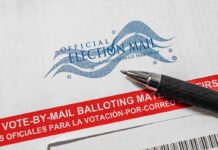
California permits ballots postmarked by Election Day to arrive within seven days, which pushes final counts beyond election night in tight races. Election experts note that late-counted ballots can change margins in close contests, and that slow, audit-heavy canvasses are standard in the state’s process. That explains how Bass’ early edge on election night gave way to a Raman lead as additional batches posted, even as outlets held off on a formal projection pending more returns.
What The Numbers Show And What They Do Not Settle Yet
Reported figures show Raman increasing her advantage as more ballots were added in the days after polls closed, crossing the 400,000-vote mark while Bass trailed by tens of thousands of votes in the last posted snapshot. Those numbers are real snapshots, but they are not final results. Local stations and newspapers have stressed that the race remains uncalled until the registrar finishes processing late-arriving and cured ballots in line with state timelines. That means the lead is meaningful, but certification and any challenges still lie ahead.
Karen Bass addressed supporters and urged patience while counting continued, a standard refrain in California’s extended canvass cycle. Outlets described the contest as close and fluid in its first 24 to 48 hours, even as Raman’s position improved and analysts began to say she was favored if trends held. The legal framework does not treat early leads as decisive. It treats the canvass and certification as the moment that turns reported totals into an official result.
Rules Of The Road: Mail Ballots, Certification, And Recounts
State and local rules explain the pace. Counties verify signatures, process provisional ballots, audit equipment, and update totals in set releases. California targets late November for certification, and Los Angeles follows its own election code for recount requests if thresholds and timelines are met. The Los Angeles Administrative Code states that, if a recount changes the outcome, the City Council must issue the proper certificate to the person found elected. State recount guidance clarifies that certification proceeds on schedule even if a recount later alters a contest’s outcome.
For readers focused on law and order, the policy stakes in Los Angeles are clear. A democratic socialist leading the nation’s second-largest city could mean even looser approaches to public safety, homelessness, and spending. Police union voices have already warned about the direction if the city moves further left, and residents who want safe streets and fiscal sense should pay close attention to what the final result locks in. City hall choices ripple out to families, small businesses, and taxpayers across the region.
Why The Late Shift Does Not Equal Suspicion — And Still Demands Oversight
California’s ballot flow often produces a visible shift after election night because mail-heavy precincts and cured ballots arrive later. That is normal under state law and does not, by itself, signal wrongdoing. At the same time, transparency matters. Clear updates from the registrar, prompt release calendars, and public audits build trust. When margins are tight and stakes are high, recount and review tools exist to verify totals. Those tools protect voters and support confidence in the final tally.
Conservative readers can hold two thoughts at once. First, respect the process as written, including the seven-day mail window and careful verification. Second, insist on accountability for the results that shape policy on crime, homelessness, taxes, and family budgets. If Raman’s lead holds through certification, Los Angeles will have chosen a harder-left course. Citizens who value safe neighborhoods, lower costs, and constitutional order will need to organize, watch the books, and push back on ideas that fail common sense.
Sources:
twitchy.com, nbclosangeles.com, latimes.com, dailynews.com, abc7.com, thelalocal.org, vcstar.com, seattletimes.com, ktla.com, foxla.com, mynewsla.com