X says a suspected China-linked network used hundreds of accounts to push anti–data center talking points into U.S. debates, raising fresh alarms about foreign influence in our energy and tech policy.
Story Highlights
- X reported a 200,000-account bot farm with about 200 accounts posting anti–data center content tied to China-linked operators.
- President Trump warned that anti–data center activism helps China and risks U.S. jobs and growth.
- Polls show many Americans oppose local data centers over water, power, and cost concerns, which activists say are homegrown.
- NPR summarized researchers saying broad, coordinated Chinese control claims remain thin beyond limited clusters.
What X Reported About Chinese Influence Operations
X’s Global Government Affairs team said it found a bot farm of about 200,000 accounts and flagged roughly 200 that posted messages to sway debate on American artificial intelligence and energy policy, including anti–data center narratives. The platform linked the activity to suspected operators in China. The posts echoed common claims about grid strain and higher utility bills. While X removed the accounts, the disclosure shows how foreign actors can try to steer U.S. policy fights online.
Business and tech outlets amplified the X disclosure, while some analysts questioned reach and impact. A Clemson researcher found dozens of suspected bot accounts had little or no engagement, suggesting limited direct sway. Even so, influence campaigns do not need viral hits to be disruptive. They can seed division, amplify fear, and nudge local fights off course. That risk grows when the target touches national security, energy reliability, and strategic industries like artificial intelligence.
President Trump’s Warning And The Strategic Stakes
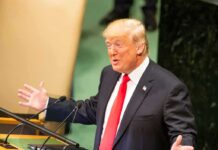
President Trump said the anti–data center movement makes “China…very happy,” tying opposition to a possible “China public relations thing” and warning that blocking builds would leave Americans “poor” with “no jobs”. Trump’s point centers on supply chains and national strength. Artificial intelligence needs data centers for training and secure operations. Delays risk ceding ground to rivals. Foreign actors benefit when U.S. projects stall, costs rise, and innovation slows—especially in strategic technologies.
Conservatives see a familiar pattern. Outside agitators inflame local anger, then push policy that weakens American industry and grid reliability. Data centers, like pipelines and power plants, become targets. The Trump administration frames the issue as an economic and security priority while respecting local rights. The path forward is to clear red tape, increase power capacity, and demand transparency on siting and resource use so communities get facts, not fear. That approach blunts propaganda and protects growth.
Local Concerns Are Real And Must Be Addressed
Gallup polling found seven in ten Americans oppose an artificial intelligence data center in their area. Opponents often cite heavy use of water and electricity, pollution, and higher utility bills. Harvard’s reporting lists similar concerns: rising rates, water use, tax breaks, and doubts about local benefits. Residents also raise noise and land-use issues. These are practical worries that deserve straight answers, firm standards, and clear community benefits, not dismissal or name-calling.
Conservatives back local control and property rights. That means companies must disclose real power and water needs, noise levels, and emergency plans. It also means states should strengthen guardrails on subsidies, tie any incentives to measurable jobs and infrastructure upgrades, and require grid improvements that protect ratepayers. When projects pay their way, respect neighbors, and boost reliability, support rises and openings for foreign agitators shrink.
What The Evidence Shows—And What It Does Not
The X disclosure is specific: suspected Chinese-linked accounts pushed anti–data center lines on the platform. That supports President Trump’s warning about foreign actors exploiting hot-button local fights. At the same time, NPR’s summary of researchers says broad claims of a single coordinated Chinese campaign that drives the entire backlash remain thin beyond limited clusters tied to China. Both can be true: local anger is real, and foreign actors try to amplify it.
Policy should reflect both truths. Federal and state leaders can harden civic debate against manipulation by exposing fake accounts fast, sharing threat findings with states, and improving digital literacy for local boards. At the same time, agencies should accelerate new American power supply, including natural gas, nuclear, and advanced transmission, so data centers do not crowd out homes and small businesses. More firm power means lower prices, fewer brownouts, and less fertile ground for fear campaigns.
Bottom Line For Readers
America needs secure, well-sited data centers to win the artificial intelligence race and keep jobs at home. Foreign actors want the opposite—and will exploit any opening online to slow us down. President Trump has put a marker on the field: do not let propaganda or red tape kneecap U.S. industry. Demand transparency on water, power, and costs. Insist projects pay for local impacts. Strengthen the grid. Fix those basics, and both the fear and the foreign noise lose their power.
Sources:
mediaite.com, x.com, nypost.com, techspot.com, newsmax.com