

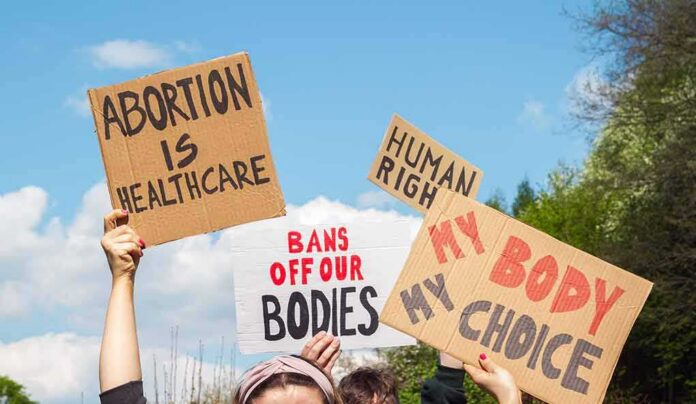
Abortion-rights measures won in three of four states this midterm, and activists openly celebrated it as a cultural victory.
Story Highlights
- Voters in Nevada and Virginia approved constitutional abortion rights, while Missouri kept its current protections and Idaho rejected expansion.
- Celebratory clips showed young women chanting “Abortion is so back, baby!” after Democratic wins.
- Post-Dobbs trends show abortion measures often pass even when broader partisan results are mixed.
- Results signal a long fight ahead over life protections, state constitutions, and parental values.
Ballot Outcomes: Where Abortion Rights Advanced
Election officials and major outlets reported that voters approved abortion-rights measures in Nevada and Virginia. Nevada backed a constitutional right to abortion through fetal viability, while Virginia voters supported similar protections. Missouri voters rejected a proposal to add new abortion limits, leaving the state’s existing constitutional protections in place. Idaho voters turned down a measure that would have expanded abortion access, keeping tighter limits for now.
These results mirror a pattern since the Supreme Court’s Dobbs ruling returned abortion policy to the states. Voters often support access when the question appears alone on a ballot. Many do not view it as a simple party-line choice. This cycle repeated that trend: three access-leaning measures prevailed, while one did not. The outcomes suggest that wording, timing, and campaign spending can shape how voters view the issue.
Cultural Signal: The “Abortion Is Back” Chant
Video from election night showed young women cheering, “Abortion is so back, baby!” Conservative outlets highlighted the clip to show how some activists now treat abortion as a celebratory cause. Pro-life advocates said the scene revealed a deeper cultural divide about human life and family values. They argued that cheering for abortion normalizes loss and mocks parents who choose life in hard moments. The clip gained attention because it matched the night’s ballot results.
Public reactions broke sharply along moral lines. Supporters framed the chant as a release after legal battles. Opponents called it a grim celebration. The exchange underscored how abortion debates reach beyond law into culture and conscience. For many faith families and pro-life Democrats alike, the message felt jarring. It raised the stakes around education, parental guidance, and community support for moms and babies facing real pressure to end a pregnancy.
What the Pattern Since Dobbs Tells Us
Since 2022, direct votes on abortion have often favored access. Analysts note that ballot language can be broad, using terms like “freedom,” “privacy,” and “health care.” Voters may not see the full policy impact until later, when courts and regulators interpret vague terms. Research on the 2024 cycle found seven of ten access-oriented measures passed, showing staying power for this issue-specific support, even as candidate results varied by state.
Studies of recent elections suggest these measures do not always decide which party wins key races. Voters sometimes back access on the ballot, then split tickets on other issues like inflation, energy, crime, and the border. That pattern warns both parties not to overread single-issue votes. It also means pro-life groups need sustained outreach that explains late-term implications, conscience rights for doctors, and support for moms, rather than relying on party labels alone.
Implications for Law, Parents, and Conscience
State constitutions now hold more weight than ever. When voters lock broad abortion rights into a constitution, lawmakers face limits on setting gestational guardrails, parental notification, and medical standards. Courts then step in to interpret terms like “viability” or “health,” which can stretch access well into the second trimester. Pro-life doctors, nurses, and crisis-pregnancy centers will keep seeking conscience protections as these new amendments meet real cases in clinics and hospitals.
Parents should expect more school, media, and corporate messaging that treats abortion as normal health care. That places families on the front line of teaching dignity, responsibility, and support for life. Churches, charities, and local leaders can help by expanding practical aid: diapers, childcare, housing, and job help. The policy fight will continue, but culture changes when communities step up for moms and babies. That is how a life ethic grows stronger than a slogan.
What Comes Next for Pro-Life Voters
Pro-life voters now face a clear map. In states that passed access amendments, the work shifts to informed consent laws, safety standards, parental rights, and conscience shields, where allowed. In states like Idaho, defenders of life will need to serve families so the law is matched by real help. Across states, the path forward runs through patient education on fetal development, late-term limits, and humane care for both mother and child—truth told simply, with compassion.
Sources:
lifesitenews.com, hrdive.com, wusf.org, thecut.com, nbcnews.com