
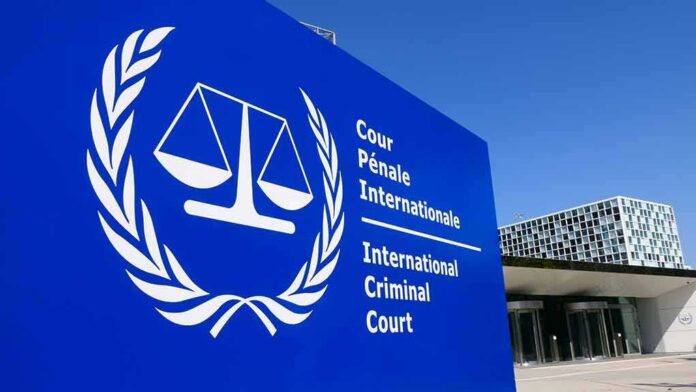
Rodrigo Duterte’s first in-person appearance at the International Criminal Court signals a high-stakes push by global judges to try a former head of state for mass murder.
Story Highlights
- International Criminal Court judges advanced the Duterte case toward a November trial date.
- Court records say there are reasonable grounds to believe Duterte is responsible as an indirect co-perpetrator of murders in the Philippines.
- Duterte’s team says he is innocent, denies the charges, and challenges the court’s reach.
- Judges have rejected a defense bid to derail the charges at the appeal stage.
What Happened in The Hague and Why It Matters
International Criminal Court judges convened a third status conference in The Hague as the chamber moves toward a trial start targeted for November 30 in the case of the prosecutor versus Rodrigo Roa Duterte. Proceedings focused on practical steps, including schedules, filings, and how to manage evidence. The court’s own case page states that judges previously found reasonable grounds to believe Duterte bears individual responsibility as an indirect co-perpetrator for alleged murders tied to the anti-drug campaign.
Philippine media and international outlets reported Duterte’s first personal appearance before the court, after earlier conferences he did not attend. Judges have already denied a defense effort to appeal confirmation of the crimes against humanity charges, allowing the case to move forward. The court process now centers on disclosure, witness planning, and deadlines ahead of the trial window. Public filings show the chamber managing an expert report timeline and party submissions.
What the Court Claims and What the Defense Says
The court’s filings describe alleged murders between 2011 and 2019 and identify Duterte as indirectly co-responsible under international criminal law theory, which can reach leaders who shape policies that enable crimes. Defense lawyers counter that prosecutors cherry-picked fiery speeches and lack direct proof tying rhetoric to killings, and they insist police were told to use force only in self-defense. Duterte rejects the charges, maintains his innocence, and contests the court’s authority since the Philippines withdrew from the Rome Statute.
Judges say official rank does not block prosecution for grave crimes, a settled principle inside the International Criminal Court’s legal system and related scholarship. Past cases against national leaders support that view, and the chamber’s orders show it intends to apply that doctrine here. While the defense raises jurisdiction and evidence objections, the bench’s recent rulings keep the case on track, narrowing room for delay before trial tasks like evidence review and witness protection planning take center stage.
How This Fits a Broader Pattern—and Why Americans Should Care
International criminal cases often turn on procedure, legitimacy, and logistics, not only on facts. Courts weigh claims of selective justice, weak cooperation, and slow timelines while pushing ahead on core allegations. Analysts note that the International Criminal Court has long treated official status as no shield to prosecution, yet trials still hinge on gathering firm proof and protecting witnesses well enough to present a clear record. The Duterte process reflects that tug-of-war in real time.
After 18 months away from public view, Filipinos saw former President Rodrigo Duterte appear in person before the @IntlCrimCourt in The Hague on Wednesday, Sept. 16.
Duterte attended the third status conference in the crimes against humanity case against him, where judges and… pic.twitter.com/e0vSKwyOZr
— Peanut Gallery Media Network (@PGMNOfficial) September 17, 2026
For U.S. readers, this story is a reminder that far-off tribunals make far-reaching claims. The International Criminal Court is testing its reach again, this time against a former Asian head of state, even as many nations guard their sovereignty strongly. American conservatives value due process, national control, and clear limits on global bodies. Watching this case helps us judge how international courts assert power, demand compliance, and shape law beyond their member states’ borders.
What Comes Next
Judges set status conferences to lock schedules, define disclosure rules, and handle expert input before the trial target at the end of November. The registry and parties face firm filing dates to complete reports and observations, building the record for the chamber to rule on contested issues. Duterte’s team will continue to argue innocence and jurisdictional limits, while prosecutors press the indirect co-perpetrator theory under International Criminal Court law. The chamber’s next orders will show how sharply the trial will focus.
Sources:
youtube.com, globalnation.inquirer.net, inquirer.net, philstar.com, abc.net.au, reuters.com, papers.ssrn.com, austlii.edu.au