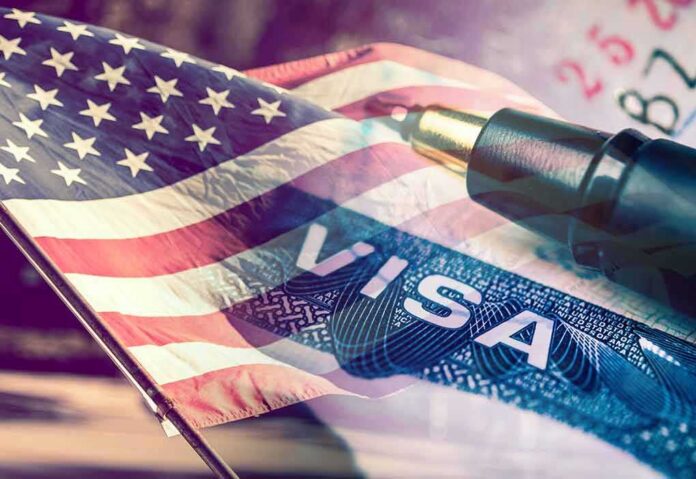
Washington tied a United Nations travel visa for Sudan’s military leader to a 90-day ceasefire, turning paperwork into leverage in a brutal war.
Story Highlights
- Reports say the United States linked Abdel Fattah al-Burhan’s UN visa to accepting a three-month humanitarian truce.
- The truce plan aimed to stop fighting and open aid routes before talks toward a lasting peace.
- Sudan’s leader rejected the pressure, calling it “blackmail” and a hit on sovereignty.
- The clash underscores a wider power struggle across the Red Sea that foreign states are trying to shape.
What Happened: Visa Leverage Meets a Grinding War
Reuters reported that United States officials conditioned Sudanese General Abdel Fattah al-Burhan’s visa for the United Nations General Assembly on his acceptance of a proposed 90-day ceasefire. Sources described the plan as coming through a senior American advisor focused on Arab and African affairs, and aimed at forcing a pause in combat during a deep humanitarian crisis. American media framed the move as a pressure tool to prevent normal diplomacy without a truce pledge.
Agence France-Presse and others said Washington refused to issue the visa, elevating a standard consular process into a public point of leverage. Coverage linked the condition to a broader push for an immediate humanitarian truce, followed by talks toward a civilian-led transition in Sudan. Several outlets stressed that the State Department would not comment on individual visas, leaving formal justification unclear even as the core linkage drew wide reporting.
The U.S. Proposal: Humanitarian Pause First, Political Path Next
Business Insider Africa described the American plan as a three-month humanitarian truce meant to stop the fighting, allow aid access, and set the table for talks on a permanent ceasefire and a civilian path forward. Other reports said Washington’s intent was to drive both warring parties toward an inclusive dialogue and away from a battlefield stalemate that keeps civilians trapped and hungry. The plan’s results on the ground are not yet documented in the public record.
The Washington Examiner and other outlets said the visa dispute kept Burhan from the New York stage, which often confers international legitimacy. That denial signaled that routine photo-ops would not proceed without real movement toward peace. The message was plain: accept a pause in the killing and let aid in, then talk about politics and power-sharing. The practical impact on aid operations remains to be seen in verified reporting.
Burhan’s Pushback: Sovereignty, “Blackmail,” and No Retreat
Burhan publicly rejected the reported condition and called it “pressure or blackmail.” He said Sudan would not bow to outside demands and did not need anyone’s permission to act. His comments fit a pattern of framing Western pressure as an attack on national pride and state sovereignty. He also vowed to keep fighting the Rapid Support Forces, signaling that a pause would help his enemies regroup, according to some accounts.
Al Jazeera and others reported an outcry in Sudan over the visa clash. Supporters saw the United States move as coercive and humiliating, while critics of the war saw it as overdue pressure to stop a catastrophe. The debate reflects a harsh reality: in wars tied to foreign influence and Red Sea strategy, outside powers use diplomatic tools when they avoid direct military action. That can look principled or tactical, depending on where you sit.
Why It Matters to Americans: Clear Goals, Limited Government, Strong Borders
President Trump’s team is using non-military pressure to push for a pause that can save lives without putting American troops in harm’s way. That aligns with limited government and smart power: apply leverage, drive talks, and avoid endless, costly interventions. It also signals that the United States will not hand out global platforms at the United Nations to leaders who refuse even a short halt to bloodshed tied to aid delivery.
🇺🇸🇸🇩 BREAKING: US blocks Sudan army chief al-Burhan's visa for UN General Assembly, tying it to a 90-day ceasefire deal. Khartoum calls on UN to intervene. Flashpoint sits on the Red Sea — oil shipping risk just went up. pic.twitter.com/DWt0jW0CUN
— Dino Vibes Daily (@DinoLeadingNews) September 22, 2026
This approach still needs transparency and results. The State Department’s no-comment rule on visas leaves room for spin. Skeptics will want proof that the pressure opens roads for food and medicine and sets real talks in motion. Supporters will argue that strength and clarity beat drift and empty speeches. Either way, the bar is simple: measurable relief for civilians, a visible drop in violence, and a path toward a civilian-led future that respects basic rights and regional stability.
Sources:
foxnews.com, reuters.com, afp.com, en.yenisafak.com, aljazeera.com, africa.businessinsider.com, washingtonexaminer.com