
A Justice Department report says Biden-era officials explored federal charges against parents who spoke at school-board meetings, raising fresh alarms about government power over free speech.
Story Snapshot
- Justice Department report says Biden officials sought federal options to charge protesting parents.
- National School Boards Association sought federal help, then apologized and retracted its letter.
- Attorney General Merrick Garland’s memo cited rising threats and directed meetings with the Federal Bureau of Investigation (FBI) and U.S. Attorneys.
- Internal and public records show coordination and pushback over free-speech risks and federal overreach.
What The New DOJ Report Alleges
The Justice Department’s Weaponization Working Group reported that Biden administration officials looked for ways to prosecute parents and protesters who addressed school officials during the pandemic. The report says these actions chilled parental speech and targeted people who lawfully objected to policies. It also describes internal concerns about a federal basis for cases. The report’s findings revive questions about how far Washington reached into local debates, and where protest ends and crime begins.
The Working Group’s description tracks with oversight claims that the 2021 push blurred the line between threats and protected speech. The group cites steps to find federal enforcement options, and references Federal Bureau of Investigation screening activity tied to school-board incidents. While threats are never acceptable, the report argues the policy cast too wide a net and risked treating parents as suspects for speaking out on masks, curriculum, and spending in their own communities.
How The Push Started: NSBA Letter And Garland’s Memo
The National School Boards Association sent a letter to President Biden in late September 2021 warning of an “immediate threat” and asking for federal help. Weeks later, the association apologized and retracted that letter, which critics say undercut the basis for a federal response. On October 4, 2021, Attorney General Merrick Garland issued a memo citing a rise in threats and directing United States Attorneys and the FBI to meet with local partners to address them.
House Republicans quickly treated the memo as an oversight matter. They demanded records on how the Justice Department formed its view and coordinated with the White House. Their letter highlighted the directive for the FBI and prosecutors to “mitigate threats” and sought all communications tied to the National School Boards Association request. Internal and media accounts later reported pre-memo contacts between the White House, the association, and Justice Department officials, adding fuel to concerns about political pressure on law enforcement.
The Free-Speech Line: Threats Versus Protected Dissent
Supporters of the memo argued it targeted true threats, not debate. Senator John Cornyn pressed Garland in 2021, noting that parents have a constitutional right to argue about their children’s education, even as real threats must be addressed. Garland also told lawmakers the department supports parents’ First Amendment rights and is focused on threats of violence, not speech. Those statements frame the department’s public stance, even as later documents suggest internal doubts about scope and definitions.
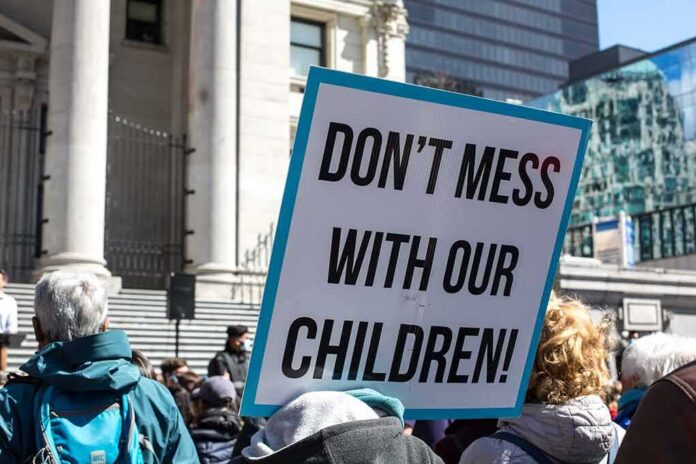
Conservatives counter that the policy chilled speech. The Working Group says federal actions made parents fear being flagged or investigated for strong words at a meeting. Reports describe Justice Department and Federal Bureau of Investigation officials warning that broad labels, like “domestic terrorism,” could sweep in anyone who opposed school-board actions. That risk matters. The First Amendment protects sharp criticism and peaceful protest, even when tempers run high at local meetings.
Why This Matters Now Under President Trump
Parents remember being told to sit down and be quiet while schools pushed mandates and ideology they opposed. The new report lays out how a Washington machine, under President Biden, considered federal charges against citizens who showed up and spoke out. President Trump’s team now oversees the Justice Department. That means there is a chance to set guardrails, publish clear charging standards, and stop any program that treats dissent like a crime when no true threat exists.
Three steps would rebuild trust. First, disclose how many school-board referrals led to real federal cases and why. Second, issue guidance that draws a bright line: threats get prosecuted, speech stays free. Third, notify parents and schools that local police handle most disruptions, while federal agents only step in for clear, chargeable crimes. That balance protects safety without muzzling parents. Families deserve schools that listen, not federal files for speaking their mind.
Sources:
pjmedia.com, nypost.com, dailysignal.com, foxnews.com, judiciary.house.gov, texasattorneygeneral.gov