
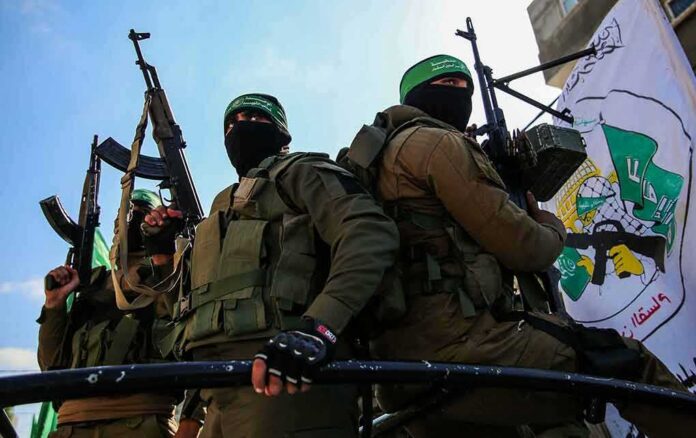
The United States Treasury sanctioned a Hamas financing network that moved more than $2 million through France-based charities and cryptocurrency, aiming to shut down a covert pipeline funding terror.
Story Highlights
- Treasury named France-based charities and operators accused of sending funds to Hamas.
- Officials said over $2 million flowed through deceptive charity fronts and crypto.
- The action fits years of moves against sham charities backing Hamas.
- Risk assessments warn terrorists exploit overseas nonprofits to mask money trails.
Treasury Details The Sanctions And Named Targets
The Treasury Department announced new sanctions on October 2, 2026, targeting a network it says financed Hamas. Officials identified two France-based groups, Association Baraka and Ensemble C Mieux, and named linked individuals including Faouzi Barika and Amel Oualid. Treasury said the operators “work from France” and raised money for Hamas while posing as humanitarian charities. The designations aim to cut the network off from the United States financial system and warn banks worldwide to block related activity.
Treasury stated the network moved more than $2 million to Hamas using deceptive charity appeals and cryptocurrency channels. The statement described a “sophisticated, multi-year financing architecture,” and stressed how these fundraisers adapted to avoid detection. The sanctions freeze any assets under United States jurisdiction and bar United States persons from dealing with listed parties. Foreign financial firms face exposure if they knowingly back the network after this action takes effect.
How The Alleged Charity Front Model Works
United States officials say Hamas fundraising often hides behind charities that claim to support civilians. Treasury’s risk review in 2024 warned that terrorist financing risk “still exists primarily” through sham or fraudulent nonprofits abroad. That model can mix small-dollar donations, cash couriers, and digital wallets to move money across borders with fewer questions asked. When such fronts gain trust, they can channel steady funds to violent groups under a veil of aid work.
The government argues this case matches a repeat pattern seen since the early 2000s. Treasury has sanctioned multiple groups and facilitators that raised money “under the guise of charitable work,” including Europe-based networks. Officials say Hamas-linked fundraisers have shifted tactics over time, using new platforms, payment tools, and overseas intermediaries to keep cash flowing. Prior designations outline how these operations mask beneficiaries to bypass bank screening and compliance checks.
What The Action Means Under President Trump
President Trump’s administration is pressing to cut off every dollar that fuels terrorism. This move signals continued pressure on foreign-based networks that try to exploit Western charity laws. The designations push banks, payment firms, and crypto platforms to screen out the named operators and any linked entities. That helps shield American families from terror threats and defends allies who face rocket fire and tunnel warfare funded by shadow donations.
United States leaders also want to protect real aid. When fake charities steal the banner of “humanitarian work,” they hurt honest groups and the people who need help the most. The United States approach demands clear lines: lawful relief must be transparent and accountable; anyone funneling aid money to killers will be cut off. Clear rules, swift action, and steady enforcement help keep faith with donors and keep blood off charity dollars.
Why This Fits A Larger Counterterror Finance Playbook
Sanctions do more than name-and-shame. They isolate targets from major banks, warn exchanges and platforms, and prompt partners to run their own blocks. That ripple effect slows fundraisers, raises costs, and can force networks into riskier moves that expose them. Treasury’s past actions show this model can disrupt cells that try to hide behind nonprofit status or bounce money through crypto accounts and foreign intermediaries.
Treasury’s broader campaign since 2023 has zeroed in on Hamas’s outside cash streams. United States officials say the group relies on foreign donations, often masked as charity. This new round continues that push, tying together prior warnings that sham charities and crypto are key tools. The government frames this as a necessary defense of public safety and a stand for honest giving. A brief caveat: sanctions are executive actions, not court verdicts, but they carry real legal force.
What Readers Should Watch Next
Banks and platforms will update screening and blocklists based on these names. Donations routed through the flagged charities or operators will likely be frozen or rejected. Allied action from European partners could add pressure if they mirror the designations or open their own probes. Further disclosures could map more accounts, wallets, and couriers, making it harder for any copycat network to raise and move money under a false banner of relief.
Sources:
usnews.com, home.treasury.gov, elnashra.com