
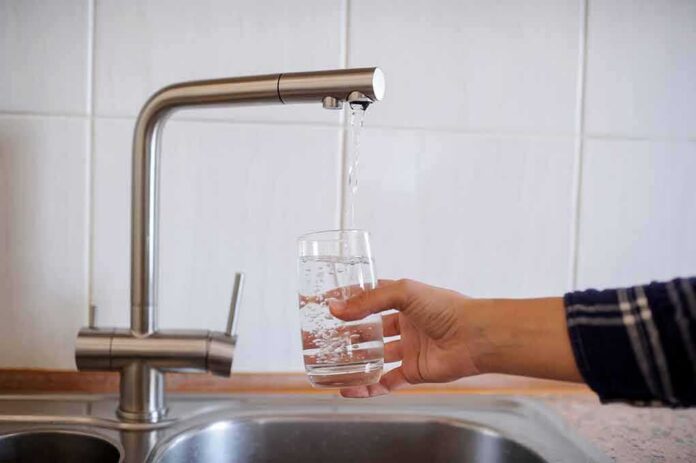
Puerto Rico has begun emergency water rationing as drought conditions tighten their grip on the island, and residents in the northeast are now bracing for rotating shutoffs.
Quick Take
- Puerto Rico announced emergency water rationing on Thursday as drought conditions worsened across the territory.
- Thousands of residents in Canóvanas and Río Grande face 48-hour rationing periods starting Friday.
- Governor Jenniffer González declared a state of emergency over the worsening water shortage.
- The U.S. Drought Monitor says 14 percent of Puerto Rico is in severe drought and 59 percent is in moderate drought.
Emergency Measures Hit the Northeast First
Puerto Rico announced the rationing after drought conditions pushed reservoirs and supply lines under more strain. Luis González, the executive president of the island’s water and sewer authority, said thousands of people in the northeast would face 48-hour rationing periods beginning Friday. The first areas affected include communities in Canóvanas and Río Grande, where rising temperatures have made the water problem worse.
Officials said the cuts are meant to manage short supplies while conditions stay dry. The U.S. Drought Monitor says 14 percent of Puerto Rico is under severe drought and another 59 percent is under moderate drought. That means about 2.3 million of the island’s 3.2 million residents live in areas touched by drought. For families, that means planning around water that may not come on time.
State Of Emergency Shows How Serious The Shortage Has Become
Governor Jenniffer González declared a state of emergency as the shortage deepened. ABC News reported that the governor acted because chronic water shortages had worsened under the drought. The order comes as authorities try to keep water available while the island faces more heat and little rain. That is the kind of basic failure that frustrates working families who expect government to deliver the essentials first.
Water rationing is not new in Puerto Rico, but the current round is still a warning sign. A separate report said the island has faced repeated rationing periods during past droughts, showing a long pattern of strain on the water system. The latest measures also reflect a broader problem: even when rain returns, weak infrastructure can leave communities exposed again. Residents are not dealing with a one-time weather event alone.
Residents Are Already Feeling The Strain
Reporting from the island shows that people in affected areas are already adjusting their daily routines. Earlier rationing plans in Puerto Rico included overnight shutoffs, water trucks, and notices telling residents to use drinking water carefully. In past droughts, officials also asked people not to stockpile water or waste it on nonessential uses. Those steps may help in the short term, but they also show how fragile the system has become.
Puerto Rico announces emergency water rationing as drought worsens https://t.co/FyCbwWo5Py
— PR51st #Statehood4PR🇺🇸🇵🇷 (@PuertoRico51st) July 17, 2026
The bigger issue is that residents keep getting squeezed by the same pattern. Drought triggers the emergency, but the impact lands on ordinary families, small businesses, and schools that depend on steady service. When water is cut for long stretches, people lose time, money, and peace of mind. Puerto Rico’s latest rationing plan shows how fast a dry season can turn into a public hardship when the system has little room left.
Drought Pressure Could Spread Beyond The First Towns
Officials have warned that more municipalities could face rationing if dry conditions continue. One report said the water authority had already been watching several reservoirs and could extend limits to more towns if the drought persisted. That makes the current rationing more than a local problem in one corner of the island. It is a live test of how much water Puerto Rico can move, store, and deliver when nature turns against it.
For now, the message from officials is simple: conserve water and expect interruptions. For residents, that means another stretch of uncertainty in a place that has already lived through repeated shortages. The announcement has made one thing clear. Puerto Rico is not just facing dry weather. It is facing a water system under serious pressure, and the people paying the price are the ones who can least afford more disruption.
Sources:
youtube.com, blue-community.net, gdeltcloud.com, 787daily.com, waterisac.org