

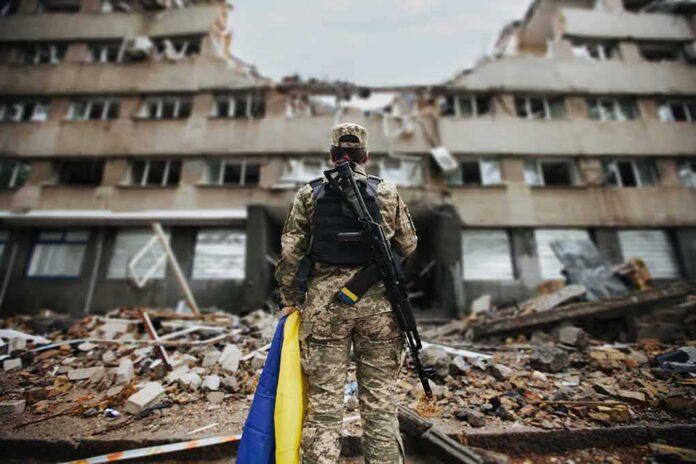
Russian strikes on Kyiv killed two people and damaged a maternity hospital, underscoring the war’s toll on civilians.
Story Highlights
- Ukrainian officials reported two killed and eight injured in Kyiv after new strikes
- Damage hit civilian sites, including a maternity hospital and homes
- Police listed damage to nine homes, a post office, warehouses, and cars
- United Nations reports show most civilian harm in this war comes from explosive weapons in cities
Kyiv Casualties And Damage Reported After Fresh Strikes
Ukrainian leaders said two people died and eight were hurt after a new round of strikes on Kyiv. President Volodymyr Zelenskyy and Kyiv Mayor Vitali Klitschko reported the deaths and injuries. City officials described damage across neighborhoods. A maternity hospital’s facade, windows, and doors were hit. Kyiv police listed widespread destruction to homes, a post office, warehouses, and many cars. Emergency crews worked across several districts to treat the wounded and secure damaged buildings.
Officials described a mix of drones and missiles in the attack. Response teams moved quickly as air raid alerts sounded. Firefighters dealt with debris and broken glass in residential blocks. Police cordoned off streets as they checked buildings for hazards. Local workers began clearing wreckage to reopen roads. The reported toll stood at two dead and eight injured as assessments continued. Authorities warned that counts can change as rescue work advances.
Civilian Sites Struck Amid Ongoing Urban Risk
Kyiv police said nine homes, a post office, and warehouses were damaged, along with dozens of cars. The maternity hospital damage highlighted the danger to families and children when strikes hit city blocks. Windows shattered and doors blew out from blast pressure, even where debris did not land. Such scenes have repeated throughout the war, especially in large cities. Civilian areas face the most risk when explosive weapons are used in dense neighborhoods.
Reports from prior weeks also show frequent attacks on Kyiv and other cities. Separate September strikes killed and injured civilians across the capital. Officials and rescue crews have faced constant pressure to shield neighborhoods and key services. Schools, clinics, shops, and transit lines remain vulnerable during alerts. The latest attack fits that pattern. It again forced families into shelters and damaged homes, vehicles, and local businesses as repairs now begin.
Wider Pattern: Explosive Weapons Drive Most Civilian Harm
United Nations reporting states that most civilian casualties in this war come from explosive weapons used in populated areas. Missiles, drones, artillery, and air strikes account for the large share of harm. In one reporting period, 712 of 1,804 verified civilian casualties came from missile and loitering munition attacks. Urban centers like Kyiv face repeated danger because blast waves and debris spread across streets, homes, clinics, and public buildings when strikes occur.
Russian missile hits hospital in Kharkiv (Source: @IrynaVoichuk).
It's part of a combined missile-and-drone barrage across Kyiv, Kharkiv, Poltava and Dnipropetrovsk that left at least 128 civilians dead or wounded as Russia keeps grinding down Ukraine's energy grid before…
— Argos Atlas (@argos_map) October 10, 2026
Ukrainian officials continue to track impact sites and tally injuries after each event. Police and emergency services record addresses, structural damage, and blast effects. Hospitals log patients and coordinate transfers when needed. These steps guide repairs and help protect vital services. They also inform air defense planning and civil defense drills. As crews stabilize the latest damage in Kyiv, leaders warn residents to follow alerts and use shelters during future barrages.
Sources:
facebook.com, reuters.com, abcnews.com, rmb.reuters.com