
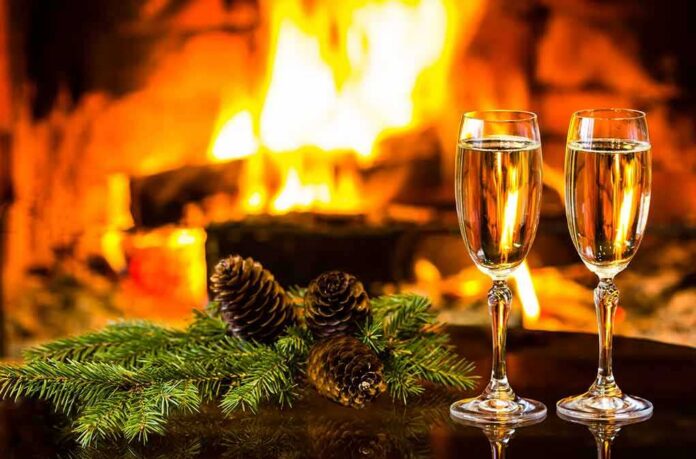
Bay Area regulators urged families to skip wood-burning fires on Thanksgiving, “strongly discouraging” a classic holiday tradition even though it was legal that day.
Story Highlights
- The Bay Area Air District asked residents not to burn wood over Thanksgiving, calling it a health risk.
- The agency says winter wood smoke makes up about one-third of fine-particle emissions regionwide.
- Burning remained legal because no Spare the Air Alert was in effect, but officials still pressed restraint.
- The Air District warns fine particles can reach deep into lungs and harm vulnerable groups.
Bay Area Officials Urge Voluntary No-Burn Over the Holiday
The Bay Area Air Quality Management District asked residents not to burn wood during the Thanksgiving holiday, citing health concerns from fine-particle pollution. The notice, dated November 24, said wood burning was “strongly discouraged” to reduce pollution and protect public health. The agency did not activate a Spare the Air Alert, which would have made burning illegal. Instead, it sought voluntary cooperation while emphasizing health effects from smoke exposure on a day of family gatherings.
The advisory stated that a Spare the Air Alert was not in effect, so fireplaces, wood stoves, and backyard fire pits were allowed. The district framed the ask as civic responsibility rather than a new rule. That choice left holiday hosts deciding whether to skip a fire that many see as part of the season. The agency’s approach signaled a push for cleaner air without fines, while keeping attention on the health stakes for neighbors and guests.
Why Officials Target Holiday Wood Smoke
The district says winter wood smoke from about 1.2 million fireplaces and stoves accounts for roughly one-third of the region’s fine particulate emissions. Officials point to the small size of these particles. They say fine particles can bypass the body’s natural filters and reach deep into the lungs. The district warns that exposure can trigger respiratory problems and raise heart-attack risk, especially in children, older adults, and people with breathing or heart disease.
The regulatory framework behind the message dates to a rule adopted in 2008 and expanded in 2019. The rule uses weather and pollution forecasts to decide when to issue Spare the Air Alerts. On alert days, residential wood burning is prohibited, including indoor fireplaces and outdoor fire features. The Thanksgiving message did not cross that legal line. Instead, it relied on the same health logic while leaving the final call to the public for that holiday period.
How the System Works—and Where Thanksgiving Fit
The district’s system centers on fine-particle standards and forecast thresholds. When models show levels will exceed limits, officials ban burning to avoid a spike. When forecasts do not reach that trigger, the agency can still ask for restraint. That is what happened at Thanksgiving. The advisory argued that fewer fires would mean cleaner air in neighborhoods that trap smoke on still, cold nights, even without the force of law behind the ask.
Research from other regions shows mixed results for voluntary programs, but it also shows that targeted rules can cut winter pollution and related hospitalizations. A peer-reviewed study in California’s San Joaquin Valley linked wood-burning regulation to lower fine-particle levels and fewer heart-related admissions, especially for older adults. These findings help explain why Bay Area officials continue to focus on home burning during winter months when inversions pin smoke near the ground.
Tradition Meets Public Health and Personal Choice
Thanksgiving brings family, food, faith, and tradition. A crackling fire is part of that picture for many households. The district’s message asked people to weigh that tradition against neighbors’ health. The appeal asked hosts to consider guests with asthma, older relatives, and babies. For many, that tradeoff is not easy. But the district framed the choice as a way to show care for the community during a season built on gratitude and service.
Officials did not present monitoring data for that specific holiday period in the notice. The advisory did not quantify how much one evening fire might add to neighborhood pollution. Still, the agency kept to a clear theme: small particles harm health, winter air traps smoke, and fewer fires mean cleaner air for those most at risk. The ask was voluntary, and the agency kept the legal and health lines distinct, even as it pressed for restraint.
What Residents Can Do Instead of Burning
Families who want the glow without the smoke can consider cleaner options on no-burn advisories or anytime guests are sensitive. Officials often suggest switching to gas or using electric heaters and string lights for warmth and ambiance. Simple steps help too: seal drafts, run a clean air filter indoors, and check local air updates before evening activities. These choices keep gatherings warm, honor tradition in spirit, and lower the risk for loved ones who need clean air most.