

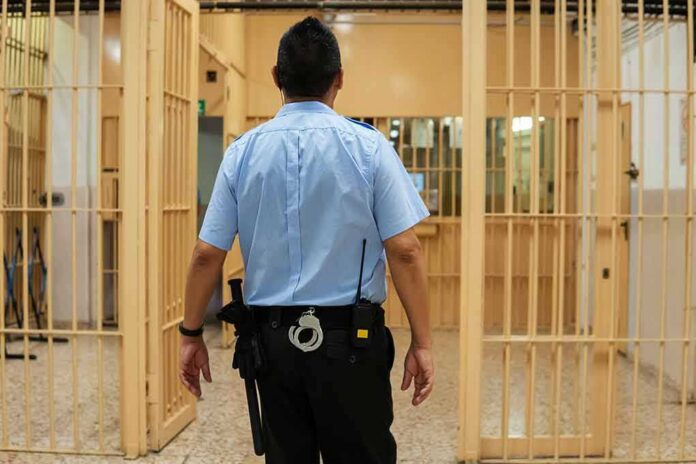
Two convicted child killers in British Columbia were each approved for 60-day unescorted releases within days, igniting anger over a system that seems to favor offenders over victims’ families.
Story Highlights
- Two B.C. child killers received 60-day unescorted temporary absences nine days apart.
- One case sends a life-sentenced killer to a cooking program under 24-hour supervision.
- Canadian law allows unescorted absences when deemed low risk and “desirable” for rehab.
- Victims’ families and many conservatives see the policy as lenient in child-murder cases.
Back-to-Back Approvals Spark Outrage in British Columbia
Public outrage surged after reports said two convicted child killers in British Columbia were granted 60-day unescorted temporary absences only nine days apart. Coverage identified Shane Robert Ertmoed and Douglas Lambier as the offenders at the center of the decisions. The timing fueled anger from victims’ families and citizens who see a pattern of leniency toward the worst crimes. The two cases became a flashpoint for whether rehabilitation should ever trump public safety and victim justice in child-murder cases.
Local reporting detailed that Ertmoed’s unescorted absence was approved for a structured cooking program tied to “personal development for rehabilitative purposes.” Reports said the plan placed him in a community residential facility with 24-hour supervision, a set work schedule with a Red Seal chef, and ongoing counseling. Officials described tight conditions, but the core fact remained: a life-sentenced child killer could leave prison for 60 days without guards, which many residents found intolerable.
What Canadian Law Says About Temporary Absences
Canadian law permits unescorted temporary absences when the Parole Board of Canada or the prison warden decides the inmate will not pose an undue risk and the absence serves specific aims, like rehabilitation or compassionate reasons. The Corrections and Conditional Release Act also lets officials add any conditions needed to protect the public. The government’s parole board guidance repeats these points and frames such absences as a standard tool, not an exception, in the correctional system.
Parole Board policy outlines that temporary absences may be used for medical needs, family contact, community service, administrative tasks, and “personal development for rehabilitative purposes.” The board’s performance reporting explains that unescorted temporary absences can even apply to offenders serving life sentences for murder, if strict criteria are met. Officials say these decisions consider risk, correctional plans, and detailed conditions before approval is granted.
Rehabilitation Goals Versus Public Trust and Victim Priorities
Supporters of the policy argue that gradual, supervised steps into the community can reduce reoffending and support safer long-term outcomes. They point to strict rules, constant oversight at community facilities, and quick revocation powers if a rule is broken. In the Ertmoed case, reporting cited continuous supervision, tight schedules, and counseling built into the plan. To many citizens, none of that offsets the central harm: a child’s life was taken, and that should outweigh any short-term personal development goal.
Conservative leaders and victims’ advocates often stress that justice for families must come first. They argue that unescorted absences normalize release for extreme crimes and signal a system more focused on offender comfort than community safety. Even when data or officials say risk is “limited,” families live with permanent loss, not temporary conditions. This gap between legal standards and moral urgency drives the outrage in these back-to-back decisions and keeps the soft-on-crime debate alive.
Why These Two Decisions Hit a Nerve Now
Two approvals in quick order made the issue feel less like a one-off and more like policy on autopilot. Residents heard that one request was tied to a cooking class and that the passes were “not parole,” yet they still watched life-sentenced child killers step outside prison walls. That clash between legal categories and common-sense judgment explains the spike in anger. People measure justice by what victims lost, not by how well a plan tracks to a manual.
Canadian officials emphasize that temporary absences are reversible and heavily conditioned. They note that the law requires no undue risk and allows broad safeguards. Still, the bar for “undue risk” feels too low to many families when the crime is the murder of a child. Until policy centers victims at every step, and reserves unescorted release for rare and clearly justified cases, Canadians will see these decisions as a failure of justice, not a feature of it.
Sources:
lifesitenews.com, junonews.com, cmsapi.theepochtimes.com, globalnews.ca, cbc.ca