
Dutch officials banned an anti-immigration march in The Hague, then riot police broke it up after clashes erupted.
Story Snapshot
- Authorities banned a planned anti-immigration march in The Hague and ordered police to disperse it.
- Hundreds gathered; clashes followed as officers used force to clear the streets.
- Police reported arrests after protesters set off fireworks and tried to push past lines.
- The unrest reflects wider European tension over migration and public safety.
Police Halt Banned March After Violence Flares
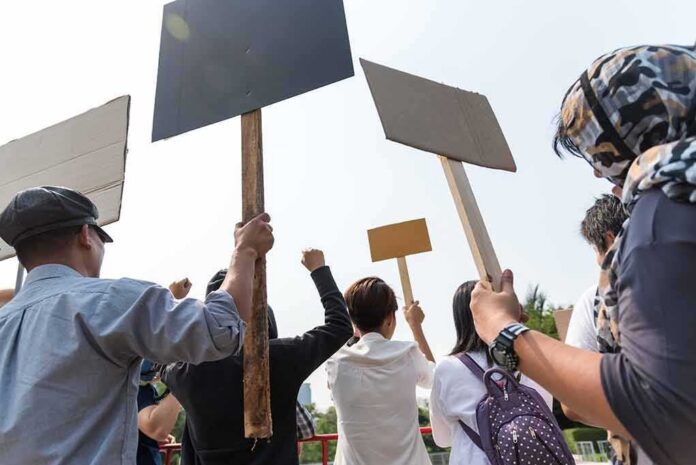
Reporters on scene said city officials in The Hague banned a planned march against immigration and asylum policy on Saturday. Dutch riot police then moved in after violence broke out among several hundred protesters. Officers made arrests after some in the crowd set off fireworks and tried to force police lines. Police dispersed the gathering by late afternoon. This was not a routine protest. It turned fast once authorities blocked the route and ordered people to leave.
Euronews reported that around 500 people had planned to march through the city center before the ban took effect. Police used baton charges, police dogs, and water cannon to drive the crowd back once tempers rose. The standoff turned into running clashes on key streets near the Malieveld, a common protest ground. Officers pushed groups into smaller pockets and made targeted arrests. The show of force aimed to stop a wider riot and protect nearby property and bystanders.
Arrests, Property Damage, And Repeat Flashpoints
Associated Press detailed arrests after fireworks were thrown and lines were breached. Other outlets described torches and projectiles hurled at officers. Local reports also linked the day’s unrest to a pattern of anti-asylum protests that have, at times, led to damaged buildings and vandalism in the city’s core. The focus was immigration and asylum policy, but the effect was street disorder that forced heavy police action to restore order and reopen roads.
Recent coverage shows this was not a one-off. Dutch and European media have tracked a cycle where anti-migrant rallies can mix with hard-line groups, football hooligan elements, and counterprotesters. When a march route gets banned, crowds often fragment and become less controlled. That is when police step in. The Hague has seen this before, including past incidents with smashed windows and injured officers tied to similar themes about asylum and border control policy debates.
Why Europe Keeps Seeing These Clashes
Academic research finds that spikes in far-right street mobilization often follow high public concern over migration and asylum. When migration becomes a top issue, rallies increase, and some tilt to confrontation. Studies note that these protests are often local and short, but can still strain police and city services. The Hague event fits that pattern. It started as a policy protest and slid into a street fight that drew national attention and a strong police response.
For American readers, this matters for two reasons. First, Europe’s struggle with border policy, crime, and social strain mirrors issues our cities have faced after years of weak border control and big promises that did not pan out. Second, scenes like The Hague show what happens when public anger meets bans and crackdowns instead of real debate. Order on the streets matters. So does a fair policy that secures borders, protects families, and respects the right to peaceful protest without chaos.
Sources:
us.headtopics.com, aljazeera.com, euronews.com