
Florida Governor Ron DeSantis just told Floridians their license plates are being tracked far more than they realize, and he says it has to stop.
Story Snapshot
- Governor Ron DeSantis called Flock Safety license plate cameras “out of control” at a Florida International University event and demanded legislative guardrails.
- At least 56 to 100 cities nationwide have already dropped Flock contracts amid growing backlash from both parties.
- Florida GOP Chairman Evan Power and gubernatorial candidate James Fishback say local governments are using the cameras to build profiles on innocent citizens.
- An advocacy group claims Florida Highway Patrol ran over 250 immigration-related searches through the camera system in just three months.
- Florida lawmakers are already advancing bills to add privacy limits on the technology.
Governor Sounds The Alarm On Camera Overreach
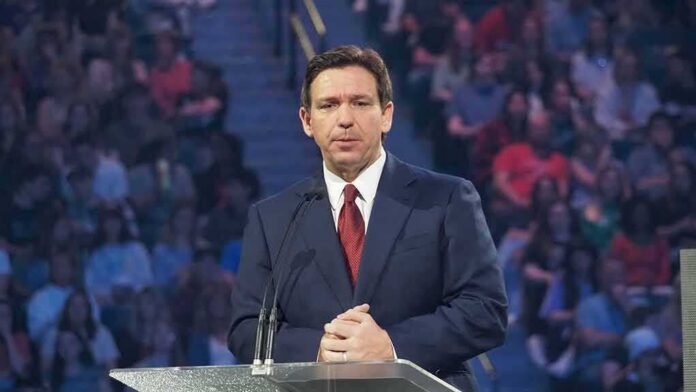
Ron DeSantis stood at a Florida International University press event on August 26 and said plainly what many drivers already suspected. “I think these cameras, the license plate readers, I think it’s out of control,” he said, calling for lawmakers to step in with real limits.
DeSantis said police need tools to fight crime, but he made clear the public is “right to be concerned” about how far this technology has spread beyond that original purpose. His comments landed as a bipartisan wave of unease grows across the country over Flock’s artificial intelligence-powered camera network.
Cities Are Already Pulling The Plug
This is not just talk in Tallahassee. At least 56 municipalities nationwide have already deactivated, canceled, or rejected Flock contracts this year, according to the advocacy group DeFlock. National Public Radio reported that number may be closer to 100 cities, with some residents even vandalizing the cameras out of frustration.
Florida Republican Party Chairman Evan Power did not mince words either. He said local governments have been “abusing our rights” by using Flock cameras to build profiles and track ordinary citizens, not just chase criminals. Republican gubernatorial candidate James Fishback went further, calling for an outright ban and saying the cameras put innocent people at risk who never committed a crime.
Immigration Searches Raise New Questions
One advocacy group claims Florida Highway Patrol ran more than 250 immigration-related searches through Flock’s system between March and May of 2025 alone. That claim has not been independently verified through court records or agency audits, but it fits a pattern critics describe of cameras being used well beyond their advertised purpose of catching red-light runners and stolen cars.
Florida Gov. Ron DeSantis urging legislative action to restrict Flock Safety automated license plate reader cameras, warning of rapid expansion turning the state into a surveillance state and eroding civil liberties. https://t.co/AttloLcLzb
— 𝘝𝘦𝘯𝘤𝘪 𝘕𝘢𝘤𝘢𝘳𝘪𝘰 🌕 (@vencinacario) August 28, 2026
Critics across Florida call the network an “unfettered, unregulated, unconstitutional dragnet.” One Pinellas County resident, Carl Gunn, put it bluntly: “These are illegal. They’re against the Constitution and they should be brought down.” Others warn the data can expose medical visits, church attendance, and political meetings, turning routine drives into a permanent record.
Lawmakers Move To Add Privacy Limits
Florida’s legislature is not waiting around. A committee already approved a broad transportation package, House Bill 543, that adds privacy limits for license plate readers alongside updates to red-light and school-bus camera programs. Separate Senate bill analysis shows lawmakers working through how private property owners can install their own systems while keeping stricter rules for government use.
The debate splits Republicans nationwide, not just in Florida. Some conservatives, including Senator Josh Hawley, back DeSantis in demanding limits, arguing that public safety tools should never become a blank check for tracking every American’s daily movements. Nationally, courts remain divided too — a Norfolk federal judge found Flock cameras do not automatically invade privacy, while a Washington state court ruled the captured data counts as a public record subject to disclosure.
Why This Fight Matters To Conservatives
This is not a partisan gotcha. It is a governor known for defending individual liberty against lockdowns and government overreach now applying that same skepticism to a surveillance network most drivers never agreed to join. The core conservative principle here is simple: government tools built to catch criminals should not quietly morph into a system that tracks law-abiding citizens without a warrant or real oversight.
Florida’s push for legislative guardrails could become a model other red states follow. With cities already dropping contracts and lawmakers drafting real limits, this fight over Flock cameras is likely to shape state legislative sessions well into 2027, and conservative voters should watch closely who stands up for privacy and who defends the status quo.
Sources:
reason.com, politicalwire.com, washingtontimes.com, fox35orlando.com, citizenportal.ai, flsenate.gov