
Reports say U.S. air defenders may have fired 60–70 Patriot interceptors at about 20 Iranian missiles over Jordan, pushing the Army to fast-track software upgrades while questions mount over cost, stocks, and strategy.
Story Highlights
- Multiple outlets report 60–70 Patriots used against roughly 20 Iranian missiles.
- An Army acquisition leader declined to confirm the exact Patriot count.
- A separate official estimate said roughly 30 Patriots were fired.
- Jordan said 18 of 20 missiles were destroyed, but some damage still occurred.
Army Weighs Software Upgrades After Heavy Patriot Use Reports
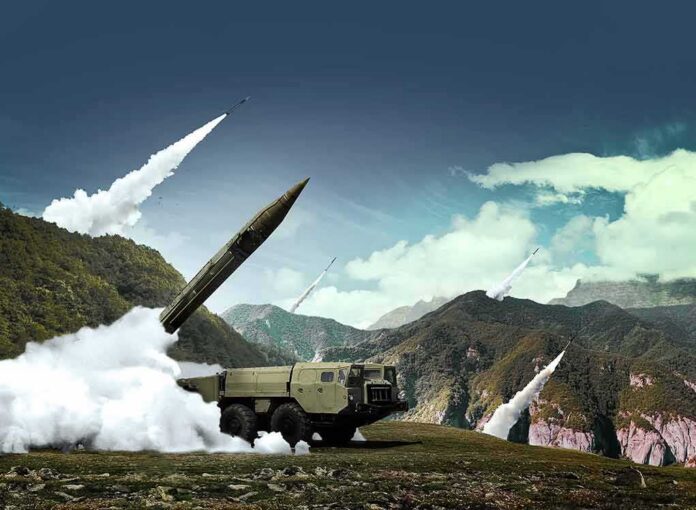
Army leaders are moving ahead on Patriot command-and-control software upgrades after a tough Iran missile attack raised new questions about interceptor use and doctrine. Reports from several outlets say U.S. forces fired between 60 and 70 Patriot interceptors to counter about 20 Iranian ballistic missiles targeting a base in Jordan. The Army’s top acquisition office has not confirmed the number, but acknowledged ongoing work to improve the system’s performance and integration in combat conditions.
Inside Defense reported that Assistant Secretary of the Army for Acquisition, Logistics and Technology Brent Ingraham declined to confirm the 60–70 figure while discussing Patriot software improvements. That restraint leaves the public with strong but unverified estimates. The Wall Street Journal account, echoed by other outlets, framed the engagement as part of a larger trend of high interceptor use during the war and rising pressure to replenish stocks and update software to manage complex salvos.
Conflicting Counts and What We Know About Results
Conflicting estimates add fog to the picture. One U.S. official put the Patriot count closer to roughly 30 missiles fired in the Jordan attack. Jordanian authorities said their defenses engaged 20 missiles and destroyed 18, yet reports also say two missiles reached the base and damaged aircraft. Public accounts do not cleanly separate Patriot actions from other systems in the integrated air-defense network, making it hard to tie each intercept to a specific launcher.
The reporting agrees on a key point that matters for readiness: U.S. interceptors were spent at a rapid clip across the campaign, straining inventories and budgets. That aligns with conservative concerns about cost, sustainment, and the need to deter Iran with strength, not shortfalls. The gap between 30 and 70 fired Patriots matters because it shapes planning, production targets, and training doctrine. Transparent data and fast software improvements help ensure every shot counts.
Cost, Magazine Depth, and Production Pressures
High-volume interceptor use brings real costs and risks. Even without a confirmed shot count, dozens of Patriots in one night can draw down magazines quickly and stress logistics. Reports tied the episode to a broader burn rate of Patriot interceptors across the conflict, reinforcing calls to boost production and refine engagement logic so crews fire the right number of shots per threat. Army software upgrades aim to improve battle management and target discrimination under pressure.
Conservatives expect a strong shield at a fair price. That starts with clear accounting, not guesswork. Congress can demand the classified after-action logs and a closed-door briefing on shot doctrine, inventory health, and software timelines. Those steps protect U.S. troops, deter Iran, and prevent waste. They also back President Trump’s push to restore deterrence through readiness, stronger supply chains, and common-sense management of high-end munitions.
Why Verification Matters—and What Comes Next
Unnamed-source reporting can kick-start debate, but hard numbers must come from official data. The government should reconcile the 60–70 narrative with the lower 30 estimate and give a clear lane on what Patriot did versus other systems in the same fight. That clarity will guide software updates, training, and procurement. It also reassures the public that every dollar and every missile is used well against real threats, not burned by bad doctrine.
Lawmakers should press for a classified record of Patriot expenditures, system-by-system results, and a timeline for delivering the control software upgrades the Army referenced. If Iran keeps testing U.S. defenses, America needs full magazines, faster reloads, smarter fire control, and layered defenses that reduce shots-per-target. That approach saves money, protects bases, and keeps pressure on Tehran—without giving up the decisive edge our troops deserve.
Sources:
timesofindia.indiatimes.com, wsj.com, tovima.com, english.nv.ua