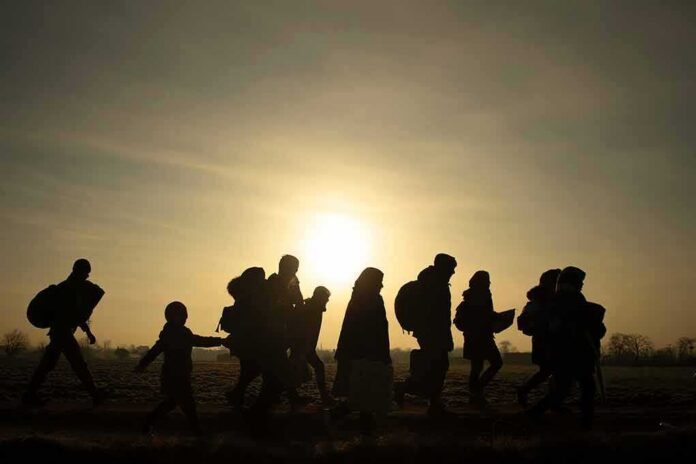
A new whistleblower video shows migrant children funneled through weak sponsor vetting, raising brutal questions about how many kids Xavier Becerra’s old system simply let vanish.
Story Snapshot
- Whistleblower video accuses Becerra-era Health Department of gutting vetting for sponsors of migrant children.
- Inspector General audit found serious gaps in background checks, home visits, and post-release safety calls.
- Becerra denies claims of hundreds of thousands of “missing” kids, but cannot fully explain follow-up failures.
- Trump-era investigators and lawmakers say this is a warning about what happens when Washington forgets its duty to protect children.
New video puts Becerra’s migrant child record back under a harsh spotlight
Conservative voters now have disturbing new video evidence to weigh as they look at how migrant children were treated under Xavier Becerra’s watch. A whistleblower who worked at California’s Pomona Fairplex intake site describes children pushed through a rushed pipeline, with adults approved as sponsors using selfies, WhatsApp chats, and shaky identification instead of real vetting. The clip shows rows of young migrants and ties their release to a system critics say made child safety an afterthought.
The video is landing in a heated political moment, as Becerra runs for California governor and tries to defend his record as President Biden’s health secretary. Conservative outlets and Trump allies argue the footage backs up years of warnings that his department lost control of the migrant child program and let tens of thousands of minors slip into abuse and shadow labor. For many readers, the question is simple and painful: if government promises to care for children, how did this happen on his watch?
Audit findings show real system failures beyond campaign talking points
The strongest proof of trouble comes not from campaign ads, but from the Department of Health and Human Services Office of Inspector General. That audit found caseworkers failed to document sponsor background checks in about 16 percent of sampled cases and skipped required home visits in others. It also found staff never made the one‑month safety call in more than one‑fifth of placements. Those are hard numbers, not talking points, and they show a system stretched past its limits.
That same oversight record explains why federal lawmakers from both parties demanded answers. A House Judiciary immigration panel pressed Becerra on whether his department chose speed over safety when placing unaccompanied minors with sponsors. A letter from Senators Alex Padilla and Dick Durbin described reports that warnings about dangers to children were brushed aside, and asked Becerra to explain how those alerts were handled. The message from Congress was clear: children were not paperwork, and missing checks could mean real harm.
Becerra’s defense leans on technical custody rules and disputed numbers
Becerra’s main defense, repeated in hearings and interviews, is that his department did not “lose” children because it no longer had legal custody once a child was placed with a vetted sponsor. He told lawmakers that Health and Human Services makes three “safety and well‑being” calls after release, but sponsors are not required to answer, so a missed call does not prove a child is gone. He has also rejected headline claims that hundreds of thousands of minors are unaccounted for.
That answer, while legally precise, leaves many conservatives cold because it dodges the heart issue: did the children end up safe. When Senator John Cornyn confronted Becerra about reports that more than 85,000 migrant kids could not be reached after placement, Becerra said he was “unfamiliar” with the statistic. For parents and grandparents who hear about kids in dangerous factory jobs or trafficked for sex, technical language about custody feels like the old bureaucratic game—protect the agency, not the child.
Whistleblower claims and Trump-era probe raise deeper accountability questions
The Pomona Fairplex whistleblower says vetting was not just sloppy, it was dismantled to move children out faster. She describes staff who tried to slow the process or flag unsafe sponsors and were pushed out or punished for speaking up. A campaign video shows more than 200 migrant children sent from one California site to a container facility, raising fears about warehousing minors in harsh, hidden conditions while paperwork made it look like all was well.
Federal agencies lost the ability to monitor hundreds of thousands of unaccompanied migrant children after their release from government custody. The inspector general did not determine that all of them were physically missing, but the absence of court notices, missed hearings…
— Mary Dinan (@dinan_mary) August 1, 2026
Under President Trump, current Health and Human Services leaders opened their own review of Becerra‑era sponsor practices and found that his team ignored or watered down key safeguards. Editorial writers argue this record alone should bar him from running a state that already battles crime, homelessness, and illegal immigration. For constitutional conservatives, the lesson runs deeper: when big government grows and border laws go unenforced, the people who pay first are the most vulnerable children with no voice and no vote.
What this means for border policy and families who still care about right and wrong
This scandal does not prove every dramatic claim about “hundreds of thousands of missing kids,” and serious writers warn that some campaigns blur the line between unreachable, unverified, and truly harmed children. But the documented failures—skipped background checks, no home visits, unanswered safety calls—are enough to show a system that broke its promise. They also reveal how immigration chaos under Biden allowed bureaucrats to push paperwork faster while real children slipped into the dark.
President Trump’s supporters see this as a rallying cry for firm border control, honest numbers, and real oversight, not feel‑good speeches. They want sponsors checked like foster parents, whistleblowers protected instead of punished, and agencies held to account when they fail kids in their care. Above all, they believe a nation that claims to stand for family values cannot look away when government decisions turn migrant children into disposable labor or prey. The new video should force that hard conversation, not be brushed off as just another campaign ad.
Sources:
redstate.com, nypost.com, foxnews.com, theepochtimes.com, sacbee.com, instagram.com, kqed.org, aol.com, medillonthehill.medill.northwestern.edu, padilla.senate.gov, energycommerce.house.gov