

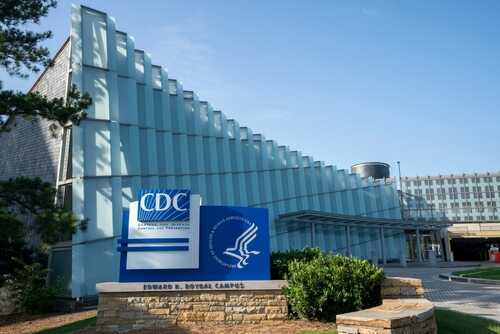
A dispute over vaccine policy at the Centers for Disease Control and Prevention (CDC) has sparked debate over the agency’s independence and the scope of presidential authority.
Story Highlights
- CDC Director Susan Monarez fired after clashing with Health Secretary Robert F. Kennedy Jr. over vaccine policy.
- Monarez’s lawyers argue only President Trump can resolve the leadership dispute.
- The conflict underscores a shift in federal health policy under the Trump administration.
- Legal and constitutional questions arise regarding presidential authority over agency leadership.
CDC Leadership Crisis Amid Vaccine Policy Dispute
Susan Monarez, who was recently appointed as CDC director, was dismissed following disagreements with Health Secretary Robert F. Kennedy Jr. over proposed vaccine policies, according to reporting from STAT News and Politico Pro. This dismissal comes just weeks after her appointment, highlighting an unprecedented speed in leadership changes at the federal agency. Monarez’s refusal to comply with Kennedy’s demands for new vaccine policies and senior CDC staff firings led to her ouster. Her legal team insists that only President Trump has the authority to resolve this dispute.
New Post: CDC Standoff: RFK Jr.’s Push to Fire Director Devolves Into Chaoshttps://t.co/OIQGno0VRD
— @Azeem_USA (@Azeem_USA) August 28, 2025
Power Struggle and Legal Implications
The conflict between Monarez and Kennedy centers on vaccine policy and agency independence. According to Politico Pro, Kennedy sought to introduce changes to CDC vaccine policies, which Monarez opposed. The disagreement escalated into a leadership dispute, with Monarez resisting what she described as political interference in scientific decision-making. The disagreement created a standoff within the agency, highlighting tensions between political appointees and career public health officials. This incident raises critical legal and constitutional questions about the extent of presidential authority over agency leadership, especially when a Senate-confirmed director is involved.
Robert F. Kennedy Jr.’s appointment as Health Secretary has already signaled a shift in federal health policy direction, particularly regarding childhood immunizations. The reconstitution of the CDC Vaccine Advisory Committee with Kennedy’s allies has intensified tensions, further complicating the agency’s leadership and policy direction.
Broader Impacts and Future Considerations
The firing of Monarez has left the CDC without a permanent director, creating a leadership vacuum and uncertainty in the agency’s vaccine policy direction. The influence of Kennedy, backed by President Trump, has grown, raising concerns about the erosion of scientific independence and the politicization of public health policy. This situation may set a precedent for increased political intervention in scientific agencies, with potential ripple effects across other health and regulatory bodies.
Public health experts interviewed by STAT News cautioned that increasing political involvement in vaccine policy could reduce public trust and intensify polarization around vaccine mandates. The economic impact on vaccine markets and pharmaceutical companies remains uncertain, while legal scholars debate the potential for constitutional challenges over executive authority. As the CDC grapples with these challenges, the broader implications for science-policy relations in the U.S. continue to unfold.
CDC Standoff: RFK Jr.’s Push to Fire Director Devolves Into Chaos https://t.co/BuCyULRpgR
— Alt-Oregonizers (@Oregonizers) August 28, 2025
Sources:
STAT News: Behind-the-Scenes Look at CDC Director Firing
Politico Pro: CDC, RFK Jr., and Trump Vaccine Policy Clash