
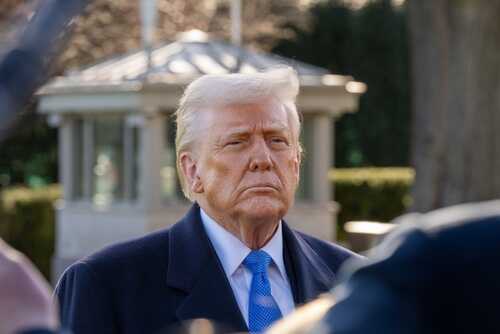
The BBC’s recent apology to Trump highlights a significant breach of trust in the media, raising questions about journalistic integrity and accountability.
Story Highlights
- The BBC apologized for misleading edits of Trump’s January 6 speech.
- Trump considers legal action despite the apology.
- The incident underscores ongoing media bias concerns.
- This could set a precedent for media accountability.
BBC’s Apology and Media Accountability
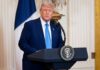
The BBC, a prestigious global broadcaster, recently issued a public apology to President Donald Trump. The apology came after the BBC aired a segment of Trump’s January 6, 2021, speech, which was edited in a way that allegedly misrepresented his words. This portrayal suggested Trump explicitly incited violence during the Capitol riot, sparking considerable backlash and accusations of media bias.
Trump’s response to the BBC’s apology has been marked by skepticism. Despite the public admission of error, Trump has indicated his intention to pursue legal action. This move underscores the President’s ongoing battle against what he perceives as unfair treatment by major media outlets. The potential legal proceedings could serve as a landmark case for media accountability, especially regarding the portrayal of political figures in broadcast media.
Legal and Political Implications
The BBC’s apology and Trump’s reaction have reignited debates over media ethics and editorial integrity. Legal experts highlight that while successful defamation suits against media organizations are rare, the reputational damage and public scrutiny could drive significant changes in editorial practices. This incident could lead to stricter standards and more rigorous review processes within major broadcasting entities, striving to prevent similar errors in the future.
Moreover, the incident reflects broader tensions between political figures and media organizations. Trump’s supporters have long criticized what they see as biased reporting, and this event adds fuel to their claims. The BBC, facing potential legal and reputational consequences, must navigate these challenges carefully to maintain its credibility and uphold its standards of impartiality.
Impact on Public Trust and Media Standards
The repercussions of the BBC’s apology extend beyond the immediate parties involved. As the media landscape becomes increasingly polarized, incidents like this can erode public trust in journalism. For many, the BBC’s admission of a misleading edit confirms suspicions of bias, potentially influencing public perception and trust in news outlets. The broader media industry may see this as a call to reinforce accuracy and transparency, ensuring that news coverage remains fair and balanced.
The implications for media regulation are significant, with potential political ramifications in both the U.S. and U.K. As public broadcasters like the BBC face heightened scrutiny, this could lead to renewed discussions about media oversight and the role of public funding in maintaining editorial independence and integrity.
Sources:
KGOU, “The BBC apologized for its edit of Trump’s January 6 speech. He says he will still sue.”