
Iran rakes in $800 million annually by blending its sanctioned oil with Iraqi crude, mocking U.S. efforts to starve the regime of funds for terrorism and nuclear ambitions.
Story Highlights
- U.S. Treasury sanctions UAE-based network led by Waleed al-Samarra’i for disguising Iranian oil as Iraqi via ship-to-ship transfers and forged documents.
- Techniques include AIS spoofing, night operations, and bribes to Iraqi officials, generating hundreds of millions for Iran’s IRGC and proxies.
- Chinese imports of “Iraqi” oil exceed actual exports by 100,000 barrels per day, worth $2.5 billion yearly, exposing the scheme’s scale.
- Iraq’s Oil Minister confirms Iranian tankers using fake documents, highlighting corruption enabling the evasion.
- Despite crackdowns, shadow fleet persists, undercutting sanctions and funding threats to American interests.
U.S. Treasury Targets Iranian Oil Smuggling Network
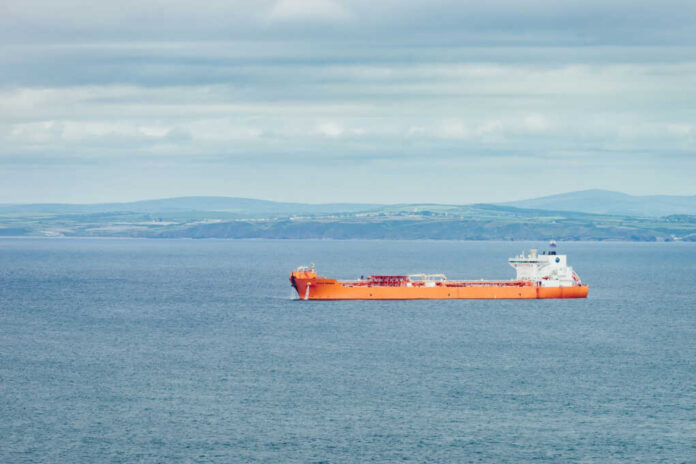
The U.S. Treasury’s Office of Foreign Assets Control sanctioned Babylon Navigation DMCC and its leader, Iraqi-Kittitian businessman Waleed Khaled Hameed al-Samarra’i. This UAE-based operation blends Iranian crude with legitimate Iraqi oil during ship-to-ship transfers near the Iraq-Iran border. The mixture sells as pure Iraqi crude to buyers in China and elsewhere, evading sanctions imposed since 2018. Conservative estimates place al-Samarra’i’s network revenue at $300 million, part of a broader $800 million scheme.
Iran’s $800M oil smuggling scheme uses tankers posing as Iraqi ships to dodge blockade. Windward AI noted a "cluster" of sanctioned tankers spoofing locations and seen to the West of the Strait of Hormuz. "A cluster of 10 Iran-trading, U.S.-sanctioned tankers is now spoofing its…
— TANSTAAFL (Islam is an Abomination)🇦🇺🇮🇱🇺🇸 (@OutbackNate) April 30, 2026
Sophisticated Tactics Exploit Iraq’s Proximity
Smugglers disable Automatic Identification Systems, conduct transfers at night, and forge documents with help from bribed Iraqi officials. Vessels like ADENA and LILIANA, flagged in Liberia, load at Iraqi ports such as Khor al Zubair after blending near Shatt al-Arab. This mirrors earlier networks run by Salim Ahmed Said’s VS Tankers, sanctioned in July 2025. Iraq’s State Oil Marketing Organization exports legitimate crude, but corrupt vouchers authenticate the tainted mix.
Persistent Evasion Funds IRGC and Proxies
China’s imports of supposed Iraqi oil surpass Iraq’s exports by 100,000 barrels per day, equating to $2.5 billion annually. Reuters reported over $1 billion in fuel oil smuggling via similar forgeries in December 2025. Iraqi Oil Minister Hayan Abdel-Ghani admitted Iranian tankers use fake documents, seized at ports. These revenues sustain Iran’s Islamic Revolutionary Guard Corps, proxy militias, and nuclear program, directly threatening U.S. national security and allies in the region.
President Trump’s second-term sanctions continue dismantling these networks, building on prior actions against Triliance Petrochemical and Sahara Thunder. Yet shadow fleets adapt, using aging tankers and Gulf of Oman hotspots. This evasion exemplifies how globalist weaknesses and corrupt foreign officials undermine America First policies, allowing adversaries to profit while American families face higher energy costs from disrupted markets.
Implications for U.S. Security and Energy Markets
Short-term disruptions hit specific operators, raising shipping risks and costs in the Gulf. Long-term, Iran shifts to new ruses like Omani port fakes, straining U.S.-Iraq relations. Tanker firms now avoid Iraqi waters amid collision dangers from unsafe transfers. Law-abiding oil traders demand stricter AIS checks and compliance. For Americans, this scheme inflates global prices, echoing frustrations with past policies that prioritized green agendas over reliable fossil fuels.
Both conservatives and liberals see a federal government too slow to enforce sanctions fully, letting elites and foreign corruptors thrive. Iraq denies systemic corruption, blaming rogue traders, but evidence points to state-backed operations. Treasury statements emphasize the IRGC ties, urging global action. As Republicans hold Congress, expect escalated measures to protect taxpayers from subsidizing Iran’s aggression through indirect market distortions.
Sources:
U.S. Treasury Press Release on Sanctions
GTR: The Next Frontier in Iranian Oil Smuggling
The New Arab: Iranian Tankers Use Fake Iraqi Documents
OilPrice.com: US Sanctions Network Moving Iranian Oil
PortNews: Treasury Sanctions on Oil Blending Network
Lloyd’s List: US Crackdown on Iran-Iraq Oil Blending
Iran Watch: Treasury Intensifies Pressure on Smuggling