

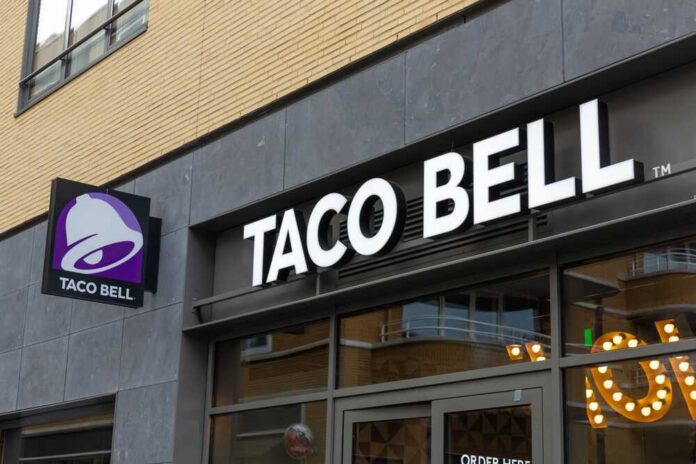
Taco Bell is turning nearly 900 drive-thrus over to an artificial intelligence voice system, raising big questions about where machines now fit into everyday American life.
Story Snapshot
- Taco Bell has rolled out Omilia voice AI ordering to more than 890 drive-thru restaurants across 38 states.
- The company says AI ordering matches or beats human speed while keeping orders accurate and consistent.
- Locations using AI report better employee retention, as staff shift from headsets to customer service roles.
- The move reflects a wider push in fast food to use AI to cut labor pressure and standardize service.
Taco Bell’s Big Bet on AI Drive-Thru Ordering
Taco Bell has expanded its partnership with technology firm Omilia to run voice artificial intelligence at the drive-thru speaker in more than 890 restaurants across 38 states. The system now handles order-taking in place of a worker on a headset, listening to customers, pulling from the local menu, and logging each item directly into the kitchen system. This scale makes Taco Bell one of the largest adopters of voice AI in fast food and turns the drive-thru lane into a live test of machine decision-making.
Omilia’s platform is built for the messy reality of a drive-thru lane, with tools to filter engine noise and other sounds and respond in under a second. The software adjusts in real time to each restaurant’s menu, stock levels, and limited-time offers so the AI does not sell items that are out of supply or miss current promotions. Taco Bell’s leaders say this helps keep the experience consistent from store to store, even as staffing and traffic levels change from day to day.
Claims of Faster Orders and Happier Workers
Company data presented in Omilia’s case study and press material says drive-thru transaction times with voice AI are as fast or faster than traditional human order-taking. Internal tests over several years reportedly showed improved order accuracy, quicker service, and solid sales growth when the AI handled the first part of the visit. Early results also point to lower employee turnover at restaurants using the system, since workers can focus more on greeting guests, preparing food, and solving problems instead of juggling headsets and screens.
Executives frame this shift as a way to ease crew workload rather than cut jobs, arguing that a machine that never gets tired can handle routine ordering while people step in for more complex needs. At AI-enabled restaurants, customer complaints are reported at the same level or lower than at locations without the technology, which Taco Bell takes as a sign that guests accept the new system when it works smoothly. Supporters in the wider quick-service industry point to similar numbers and say voice AI can reduce mistakes, shorten wait times, and provide steady upselling without putting more pressure on staff.
Part of a Wider Fast-Food Technology Trend
Taco Bell’s move fits into a clear pattern across quick-service chains, where voice AI is being tested to offset rising labor costs and uneven human performance at busy drive-thrus. Industry vendors report brands targeting completion rates above ninety percent and order processing times under one minute for AI systems, seeing them as tools to boost speed, accuracy, and revenue without adding new full-time positions. A 2025 drive-thru study found average order accuracy in the sector around the high eighties, leaving room for technology that can standardize how items are heard and keyed in during peak hours.
Taco Bell is expanding its rollout of Omilia voice AI ordering at its drive-thru locations:https://t.co/CJMuqBI425
— Dan Berthiaume (@DBerthiaumeCSA) July 9, 2026
Technology firms promoting drive-thru AI argue that machines can handle surges in traffic with fewer errors, while using data to suggest popular add-ons that lift ticket size. They also highlight video and audio analytics that watch the lane, track wait times, and alert managers when service slows or bottlenecks appear. For big chains, these tools promise tighter control from headquarters over thousands of locations, letting them tune menus, prices, and staffing levels based on live numbers rather than gut instinct or scattered reports.
What This Means for Everyday Americans
For customers pulling into a Taco Bell drive-thru, the most visible change is who answers when they say their order, as the voice is now often a machine built from a small language model tuned to the chain’s menu. Many guests will likely judge the system on simple questions: does it hear me the first time, get my food right, and move the line faster? For workers, the shift may mean less time chained to a headset and more time on tasks that require human judgment, which can feel like a welcome relief when the dinner rush hits.
As more daily tasks move to artificial intelligence, the fast-food lane becomes another place where Americans must decide how much control they are comfortable handing to software. Taco Bell’s early numbers suggest AI can help orders move quickly and keep staff from burning out, but any high-profile glitch could still spark backlash and calls to dial the systems back. For now, the company is leaning in, betting that most customers care more about hot food and short waits than about whether a human or an algorithm takes their order.
Sources:
facebook.com, businesswire.com, restaurantdive.com, nrn.com, foxbusiness.com, omilia.com, assertai.com, berry-ai.com, envysion.com, revenuemanage.com