The Vatican’s warning to the Society of Saint Pius X puts automatic excommunication back at the center of a long Church fight over authority, obedience, and papal control.
Quick Take
- The Vatican said the planned bishop consecrations would be a **schismatic act** and trigger automatic excommunication.
- Cardinal Víctor Manuel Fernández said the ordinations lack the required papal mandate.
- The Society of Saint Pius X said it would proceed anyway, framing the move as a defense of Church tradition.
- Canon law and past Vatican actions show that unauthorized bishop consecrations have brought severe penalties before.
Vatican Warns of Automatic Excommunication
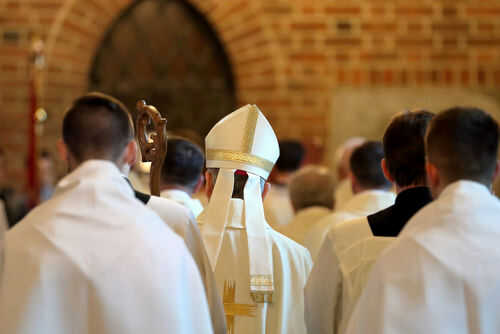
The Vatican said the Society of Saint Pius X would face automatic excommunication if it consecrates bishops without papal approval. Cardinal Víctor Manuel Fernández said the planned ordinations lack the needed pontifical mandate and would count as a schismatic act. The warning came through the Holy See Press Office and rested on Church law that treats unauthorized episcopal consecrations as grave acts against unity.
The language was blunt because the stakes are blunt. Under canon law, a bishop who consecrates another bishop without papal mandate can incur excommunication, and the same penalty applies to the one who receives the consecration. Vatican reporting on earlier cases, including Archbishop Carlo Maria Viganò’s 2024 penalty, shows that the Holy See has used this rule before when it judges communion with Rome has been broken.
Why the Vatican Sees This as a Schism Issue
Church officials say the problem is not only disobedience. They say the deeper issue is refusal of communion with the pope and the Church under him. A canon law explainer quoted in the research says schism means refusal of submission to the Supreme Pontiff or refusal of communion with those subject to him. In that view, unauthorized consecration is not a technical slip. It is a direct challenge to papal authority.
The Vatican’s warning also fits a familiar pattern in Catholic history. In 1988, Pope John Paul II said unauthorized consecrations tied to Archbishop Marcel Lefebvre amounted to a rupture of ecclesial communion. That history matters because the current dispute is not new. The Vatican is treating the present case as a repeat of a past rebellion, not as a local disagreement over liturgy or style.
SSPX Rejects the Vatican’s Framing
The Society of Saint Pius X does not accept the Vatican’s charge of schism. Its public defense says it is acting in a spirit of duty and “rendering honor to God” during what it calls a crisis of faith. Supporters quoted in the research also reject the idea that they are rejecting the pope. They describe themselves as loyal Catholics and say they remain sons of the pope even while refusing his order on the ordinations.
That defense matters because it shifts the argument from rebellion to necessity. The group’s supporters say they are responding to a Church crisis, not trying to build a rival church. But the Vatican has not accepted that logic, and the public record in the research does not show a canonical ruling that vindicates the SSPX’s necessity claim. For now, the Holy See’s warning stands as the strongest official answer.
What This Means for Church Authority
This fight goes beyond one religious order and one set of ordinations. It raises a basic question about who speaks for the Church when bishops act outside papal control. The Vatican says the answer is clear: communion with Rome comes first, and disobedience in grave matters can bring excommunication at once. Critics of the Vatican, including some Catholic commentators, say the Church is enforcing unity in a way that looks selective and harsh.
For conservative readers, the story will sound familiar. A central authority is demanding obedience, and a traditionalist group is refusing to bend. The Vatican sees that refusal as a threat to unity. SSPX supporters see the Vatican’s move as punishment for standing firm on doctrine and tradition. What is clear is that the dispute is not about a minor rule. It is about whether Rome still has final say.
Sources:
insiderpaper.com, theeasternchurch.com, catholicworldreport.com, facebook.com, wherepeteris.com, reddit.com