
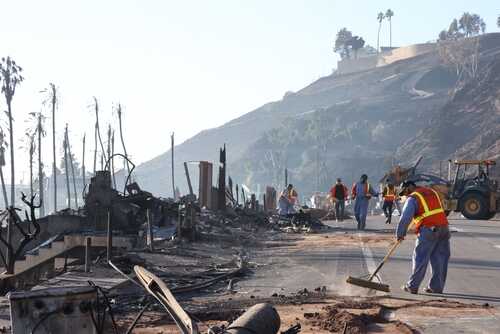
A year after the Palisades Fire, residents still grapple with the aftermath of systemic failures that left them to fend for themselves.
Story Summary
- The Palisades Fire, sparked on January 7, 2025, devastated Pacific Palisades, Topanga, and Malibu, resulting in 32 fatalities.
- Residents expressed outrage over hydrant failures, evacuation chaos, and delayed aid during the fire.
- Critics highlight government negligence and infrastructure failures as contributing factors to the fire’s devastation.
- Litigation and scrutiny of aid distribution continue as communities struggle with recovery.
The Ignition and Spread of the Palisades Fire
The Palisades Fire began on January 7, 2025, in the Santa Monica Mountains, quickly spreading due to 80-100 mph Santa Ana winds. The fire, which ultimately grew to engulf 1,262 acres, was part of a series of wildfires that ravaged Southern California, causing 32 fatalities. Authorities faced criticism for failing to effectively manage the initial response, leading to extensive property damage and displacement.
Further complicating the situation were hydrant failures that severely hampered firefighting efforts. As winds pushed the flames into densely populated areas, resources were overwhelmed, and the chaotic evacuation process left many residents feeling abandoned and vulnerable. This led to widespread anger and frustration among those affected by the fire.
A year after wildfires tore through parts of Los Angeles, new data shows the lasting financial toll as recovery lags. The January 2025 Palisades and Eaton fires slashed home values across Pacific Palisades and Altadena, with many residents still in temporary housing.
According… pic.twitter.com/mFsxZ4DTjU
— Realtor.com (@realtordotcom) January 5, 2026
Government Negligence and Community Outrage
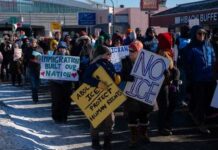
In the aftermath of the fire, residents and local officials accused government agencies of negligence. Key criticisms included the failure to maintain hydrant infrastructure and the abandonment of firebreak programs. Additionally, the delayed processing of federal and state aid exacerbated the situation, leaving many homeowners without necessary resources to rebuild their lives.
Despite a FireAid concert that raised $100 million for recovery efforts, questions arose about the distribution of funds, with many arguing that the money was routed to organizations rather than directly aiding the victims. This sparked further distrust and discontent within the community, leading to ongoing litigation and demands for accountability.
Current State and Ongoing Challenges
As of July 2025, efforts to clear debris and address soil contamination from toxic materials such as lead and arsenic were ongoing, with the US Army Corps of Engineers reporting 90% completion. However, many residents continue to face insurance battles and rebuilding delays, prolonging their recovery.
The Palisades Fire serves as a stark reminder of the challenges posed by climate conditions and the importance of maintaining infrastructure to protect vulnerable communities. The response to this disaster highlights critical areas for improvement in emergency preparedness and resource allocation, ensuring better protection of lives and property in the future.
Sources:
America First Policy Institute: Palisades Fire Timeline
Los Angeles Times: Palisades Fire Timeline