Jurors in Luigi Mangione’s state murder trial will stay anonymous after a judge said public exposure could invite harassment, intimidation, or outside influence.
Quick Take
- The New York judge ordered that juror names and addresses stay private from the public.
- Only the prosecution and defense will have access to juror identities.
- The judge cited hostile public behavior outside the courthouse and concerns about interference.
- The ruling comes before jury selection starts on September 8 in a case drawing intense national attention.
Judge Cites Safety Concerns in High-Profile Case
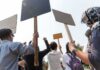
Justice Gregory Carro said the jurors in Mangione’s trial will remain anonymous because public disclosure could expose them to harassment, intimidation, or improper outside pressure. According to reporting from ABC News, Carro said supporters of Mangione had made inflammatory remarks outside the courthouse and had said they planned to attend jury selection and speak with prospective jurors. That gave the court a concrete reason to shield juror identities in this closely watched case.
The ruling does not hide jurors from the lawyers. The New York Times reported that both the defense and prosecutors will still receive the jurors’ names, while the public will not. That matters because it shows the court is trying to balance juror safety with some level of trial fairness. In a case this charged, that balance will draw sharp debate from people who already worry about the fairness of the process.
Defense Raised Transparency Objections
Mangione’s lawyers pushed back, arguing that prosecutors had not shown an actual threat to the jury. ABC News reported that the defense called the safety concerns speculative and hypothetical. Reuters also said the judge did not explain his decision at the hearing, even though anonymous juries are not the norm in ordinary criminal trials. That leaves critics with a familiar complaint: courts often ask the public to accept secrecy without much explanation.
Still, the court did not act in a vacuum. Reuters noted that judges sometimes shield juror identities in high-profile cases when harassment or intimidation is a concern. NY1 reported that prosecutors also raised worries about possible recording in an overflow room and possible attempts to intimidate witnesses or jurors. The result is a familiar modern problem: a high-profile case can force judges to choose between openness and order, and either choice can anger the public.
A Broader Pattern in Modern Trials
This ruling fits a larger pattern in famous criminal cases. The New York Times reported that New York State juries generally do not operate under full anonymity, which makes this case an exception rather than the rule. Reuters described anonymous juries as “not the norm” in United States criminal trials. That alone shows how much public attention surrounds Mangione’s case and how seriously the court is treating the risk of disruption.
Jurors at Luigi Mangione's state murder trial will remain anonymous to avoid intimidation, a Manhattan judge ruled Tuesday. Prosecutors in the case warned that Mangione's supporters have already tried to intimidate witnesses.
Mangione has pleaded not guilty to several charges… pic.twitter.com/qzrOno2kS5
— Mosheh Oinounou (@Mosheh) August 11, 2026
The broader issue goes beyond one defendant. Courts have long faced pressure to protect jurors when a case becomes a media spectacle, especially when supporters or protesters gather outside the courthouse. In this trial, the judge also ordered an overflow room for the public and press, which suggests the court wants access without letting the crowd take over the process. For readers who value law and order, the key question is whether secrecy is now becoming the new default in political and media firestorms.
Sources:
facebook.com, aljazeera.com, yahoo.com, newsbreak.com, thehill.com